Billboards are a fantastic way to grab attention, but getting one installed isn’t always as simple as picking a location and setting a date. Mother Nature has a habit of interfering with even the most carefully planned advertising campaigns. From gusty winds to unexpected snowstorms, weather conditions can significantly impact installation schedules.
Understanding these challenges can help businesses avoid frustrating delays and keep their marketing plans moving forward. Here’s how different weather conditions affect billboard installations and what advertisers should know before scheduling their next campaign.
Why Working With a Billboard Advertising Agency Makes Planning Easier
Weather delays are frustrating, but experienced professionals know how to handle them. Working with a billboard advertising agency like AdQuick can make scheduling considerably easier, especially when unpredictable conditions threaten your campaign launch.
Many advertising agencies can coordinate with billboard operators, installation crews, and vendors to establish realistic timelines. They also understand seasonal weather patterns and can recommend scheduling adjustments when necessary.
Rather than scrambling to figure out what happens next, advertisers can rely on experienced professionals to communicate updates and coordinate revised installation dates.
When the Wind Picks Up, Billboard Installations Slow Down
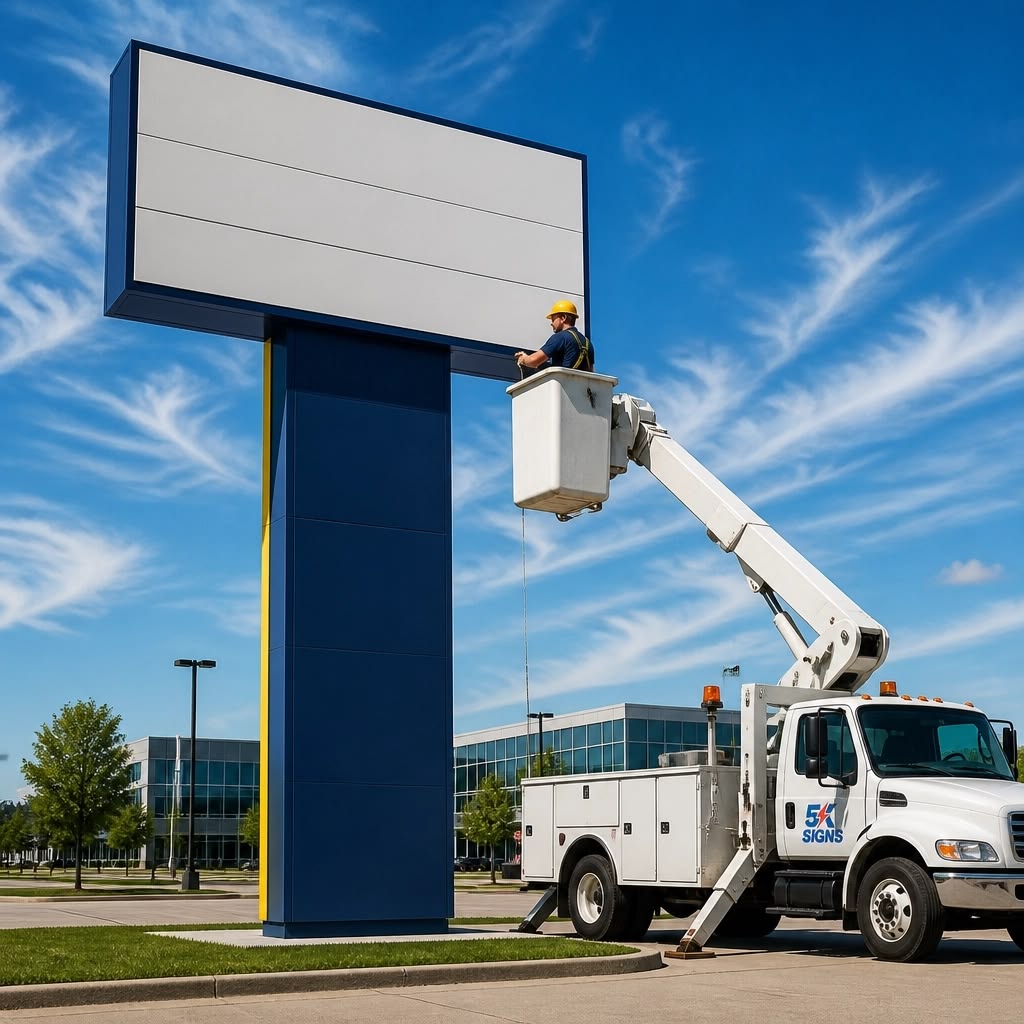
Strong winds can be a billboard installation crew’s worst nightmare. Large billboard graphics can act like sails, making them incredibly difficult to handle when gusts pick up.
High winds also create safety concerns for workers operating cranes, lifts, and other elevated equipment. Even moderate gusts can make certain installation tasks dangerous, depending on the equipment and location.
When wind speeds exceed safe operating limits, crews must postpone installations until conditions improve. After all, getting your advertisement up a day earlier isn’t worth putting anyone at risk.
How Wet Weather Can Delay Installations
Rain might be great for your garden, but it’s not always welcome during billboard installation. Wet surfaces become slippery, increasing the risks associated with climbing ladders and operating elevated equipment.
Heavy rainfall can also reduce visibility and make installation sites difficult to access. Depending on the billboard materials and installation method, moisture may interfere with adhesive applications.
Snow and Ice Can Put Billboard Projects on Hold
Snow-covered equipment, icy platforms, and freezing temperatures can transform routine tasks into dangerous operations. Heavy snowfall can block access roads or prevent crews from reaching installation sites safely.
Certain materials also become harder to handle in extreme cold. For advertisers planning winter campaigns, building extra time into the schedule is a smart move.
Extreme Heat Isn’t Exactly Installation-Friendly Either
Summer sunshine might seem perfect for outdoor advertising, but extreme heat can create serious challenges for billboard installation crews. Working on elevated platforms under direct sunlight can quickly become exhausting, especially when temperatures climb into uncomfortable territory.
Heat exposure increases the risk of dehydration, fatigue, and heat-related illnesses. Crews may need additional breaks, increased hydration, or adjusted working hours to stay safe.
Certain installation materials and adhesives can also behave differently in extreme temperatures, potentially complicating the process. Scheduling installations during cooler morning hours can help crews work more comfortably while maintaining safety standards.
Lightning and Severe Storms Are Immediate Dealbreakers
Nothing brings a billboard installation to a halt quite like an approaching thunderstorm. Lightning poses significant dangers to workers operating metal equipment or working at high elevations. Severe storms can also bring powerful winds, heavy rainfall, and rapidly changing conditions that make installations unsafe.
Installation teams monitor weather forecasts closely and follow established safety procedures when storms approach. Sometimes, that means stopping work immediately and waiting until conditions improve. Although delays can disrupt advertising schedules, protecting workers is always more important than meeting a campaign deadline.
Seasonal Weather Patterns Can Shape Campaign Launch Dates
Every season brings its own personality, and billboard installation schedules must account for those seasonal surprises. Spring often delivers unpredictable thunderstorms, while summer introduces intense heat and occasional severe weather. Autumn can bring strong winds, and winter frequently creates challenges involving snow, ice, and freezing temperatures.
Regional climate patterns also matter. Installing a billboard in sunny Arizona presents different challenges than scheduling one during a snowy Minnesota winter.
Advertisers planning holiday promotions or product launches should consider these seasonal factors well in advance. A little preparation can prevent major scheduling headaches.
A Little Flexibility Goes a Long Way When Scheduling Installations
Scheduling installations ahead of important campaign dates provides breathing room in case of unexpected delays. Maintaining regular communication with installation teams also helps advertisers stay informed about changing timelines.
Having backup installation dates is another smart strategy. For campaigns that require frequent creative updates, existing digital billboards may offer greater flexibility without the need for physical graphic replacements. Ultimately, realistic expectations and contingency planning can make weather-related disruptions much easier to manage.
You Can’t Control the Weather, but You Can Plan Around It
By understanding seasonal challenges, working with experienced professionals, and allowing flexibility in your schedule, you can minimize unnecessary disruptions. Mother Nature might control the forecast, but thoughtful planning helps keep your billboard campaign moving forward.