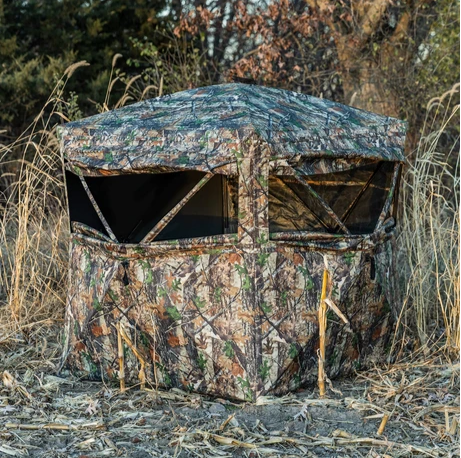
A comfortable and well-planned hunting setup can make long hours outdoors much easier. Hunters often spend considerable time waiting quietly in one location, so staying concealed while maintaining good visibility and comfort is important. The right equipment can help create a more practical setup, especially when changing weather and natural surroundings make hunting more challenging. Well-designed ground hunting blinds can provide hunters with a dedicated concealed space while allowing them to stay focused on the area around them.
Why Choosing the Right Hunting Blind Matters
A hunting blind is more than a simple shelter. It can help break up a hunter’s outline and reduce noticeable movement when wildlife is nearby. This can be particularly useful in open terrain where natural cover is limited.
The right blind can also improve comfort during extended hunting sessions. Instead of remaining completely exposed to wind, changing temperatures, or light weather conditions, hunters can create a more controlled position. However, the effectiveness of any blind depends on selecting a suitable location and using it correctly.
Important Features to Consider
Before buying a hunting blind, consider how and where you normally hunt. Different environments and hunting styles can require different features.
Concealment and Camouflage
Concealment is one of the primary reasons hunters use blinds. A suitable camouflage pattern can help the blind blend with vegetation, woodland, grass, or other natural surroundings.
Placement matters just as much as the camouflage itself. A blind positioned in an exposed location may still attract attention even if its pattern matches the environment. Whenever possible, use existing vegetation and terrain to help break up the blind’s outline.
Visibility
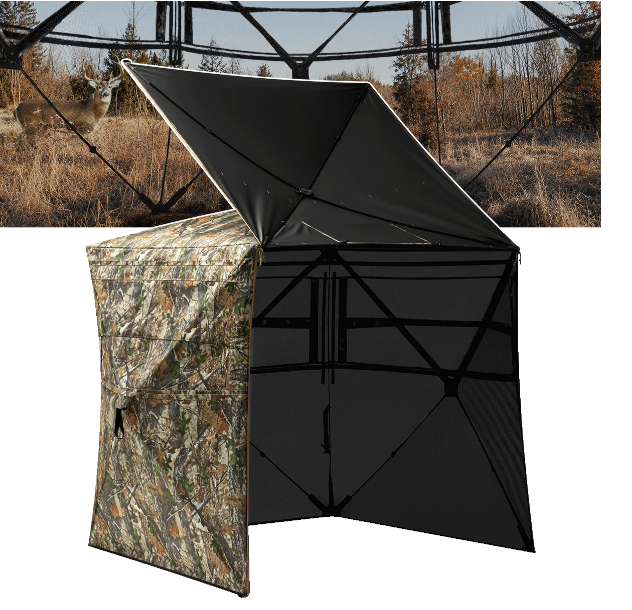
Good visibility allows hunters to monitor their surroundings without constantly moving their heads or bodies. Viewing windows positioned around the blind can make it easier to observe different directions.
A wider viewing area may be especially useful when hunting in locations where animals can approach from multiple angles. At the same time, windows should be managed carefully to maintain concealment.
Portability
Hunters may need to move equipment across fields, wooded areas, or uneven terrain. For that reason, portability can make a significant difference.
Pop-up hunting blinds are often convenient for hunters who want a setup that can be transported between locations. A carrying bag can also make storage and transportation more manageable, particularly when the blind is used regularly.
Selecting the Right Blind Size
Contents
A comfortable and well-planned hunting setup can make long hours outdoors much easier. Hunters often spend considerable time waiting quietly in one location, so staying concealed while maintaining good visibility and comfort is important. The right equipment can help create a more practical setup, especially when changing weather and natural surroundings make hunting more challenging. Well-designed ground hunting blinds can provide hunters with a dedicated concealed space while allowing them to stay focused on the area around them.Why Choosing the Right Hunting Blind MattersA hunting blind is more than a simple shelter. It can help break up a hunter’s outline and reduce noticeable movement when wildlife is nearby. This can be particularly useful in open terrain where natural cover is limited.The right blind can also improve comfort during extended hunting sessions. Instead of remaining completely exposed to wind, changing temperatures, or light weather conditions, hunters can create a more controlled position. However, the effectiveness of any blind depends on selecting a suitable location and using it correctly.Important Features to ConsiderBefore buying a hunting blind, consider how and where you normally hunt. Different environments and hunting styles can require different features.Concealment and CamouflageConcealment is one of the primary reasons hunters use blinds. A suitable camouflage pattern can help the blind blend with vegetation, woodland, grass, or other natural surroundings.Placement matters just as much as the camouflage itself. A blind positioned in an exposed location may still attract attention even if its pattern matches the environment. Whenever possible, use existing vegetation and terrain to help break up the blind’s outline.VisibilityGood visibility allows hunters to monitor their surroundings without constantly moving their heads or bodies. Viewing windows positioned around the blind can make it easier to observe different directions.A wider viewing area may be especially useful when hunting in locations where animals can approach from multiple angles. At the same time, windows should be managed carefully to maintain concealment.PortabilityHunters may need to move equipment across fields, wooded areas, or uneven terrain. For that reason, portability can make a significant difference.Pop-up hunting blinds are often convenient for hunters who want a setup that can be transported between locations. A carrying bag can also make storage and transportation more manageable, particularly when the blind is used regularly.Selecting the Right Blind SizeBlind size should depend on the number of people using it and the equipment they need to carry.A larger blind may be more suitable for two or three hunters because it can provide additional space for seating and essential gear. However, a larger structure may require more room during setup and can be less convenient when moving between hunting spots.Solo hunters usually have different requirements. A one person hunting blind can be a practical choice for someone who wants a more compact setup without carrying unnecessary space.The ideal size should allow enough room to sit comfortably, organize equipment, and move carefully without making the blind unnecessarily large.How Location Influences Blind PerformanceEven a quality hunting blind needs to be placed thoughtfully. Before setting it up, observe the area and look for signs of regular wildlife movement.Consider trails, feeding areas, water sources, natural openings, and nearby vegetation. Wind direction is another important factor because animals can detect unfamiliar scents.Try to position the blind where it naturally fits into the landscape. Avoid making sudden changes to the surroundings, and give wildlife time to become accustomed to the structure when possible.FAQsWhat is the purpose of a hunting blind?A hunting blind provides a concealed position where hunters can observe wildlife while reducing their visible movement.What size blind is best for solo hunting?A compact one-person blind is generally suitable for solo hunters because it provides enough personal space without unnecessary bulk.Are pop-up blinds convenient for hunting?Yes, pop-up designs can be useful when hunters want a setup that is relatively easy to transport and establish at different locations.Does blind placement really matter?Yes. Placement can affect concealment, visibility, scent control, and how naturally the blind fits into the surrounding environment.Tips for a Better Hunting Blind SetupAfter selecting a suitable blind, spend some time preparing the area before hunting. Remove unnecessary obstacles around the setup while keeping natural vegetation that can improve concealment.Organize your equipment before entering the blind. Frequently used items should remain within easy reach so you do not need to make unnecessary movements during the hunt.It is also helpful to consider the direction of sunlight. Bright sunlight entering directly through an opening can make movement more noticeable from outside. Adjusting the position of the blind or managing viewing windows can help maintain better concealment.Comfort should also be part of the setup. A suitable hunting seat, appropriate clothing, water, and necessary equipment can make long waiting periods considerably easier.Prepare for Changing Outdoor ConditionsWeather can change quickly during a hunting trip. Cold temperatures, wind, rain, and changing light can affect both comfort and visibility.Before heading out, check the expected conditions and prepare clothing and equipment accordingly. A hunting blind should be viewed as one part of the overall setup rather than the only protection needed outdoors.Hunters should also remain aware of their surroundings and follow local hunting regulations, land-use rules, and safety practices. Where state law allows it, many also fit Liberty Suppressors to their rifles to protect their hearing and keep the report from spooking game.Make Your Hunting Setup More PracticalChoosing a hunting blind does not have to be complicated. Start by considering your hunting location, the number of people using the blind, transportation requirements, visibility needs, and expected weather conditions.A suitable blind can provide a more controlled and concealed position, helping hunters remain patient during long periods of observation. When combined with smart placement and organized equipment, it can make the overall hunting experience more comfortable and practical.The goal is not simply to choose the biggest blind or the one with the most features. Instead, focus on finding a design that fits your individual hunting needs and works naturally with the environment. With the right preparation, a well-planned hunting blind setup can help you spend more time focused on the hunt and less time dealing with unnecessary distractions.
Blind size should depend on the number of people using it and the equipment they need to carry.
A larger blind may be more suitable for two or three hunters because it can provide additional space for seating and essential gear. However, a larger structure may require more room during setup and can be less convenient when moving between hunting spots.
Solo hunters usually have different requirements. A one person hunting blind can be a practical choice for someone who wants a more compact setup without carrying unnecessary space.
The ideal size should allow enough room to sit comfortably, organize equipment, and move carefully without making the blind unnecessarily large.
How Location Influences Blind Performance
Even a quality hunting blind needs to be placed thoughtfully. Before setting it up, observe the area and look for signs of regular wildlife movement.
Consider trails, feeding areas, water sources, natural openings, and nearby vegetation. Wind direction is another important factor because animals can detect unfamiliar scents.
Try to position the blind where it naturally fits into the landscape. Avoid making sudden changes to the surroundings, and give wildlife time to become accustomed to the structure when possible.
FAQs
What is the purpose of a hunting blind?
A hunting blind provides a concealed position where hunters can observe wildlife while reducing their visible movement.
What size blind is best for solo hunting?
A compact one-person blind is generally suitable for solo hunters because it provides enough personal space without unnecessary bulk.
Are pop-up blinds convenient for hunting?
Yes, pop-up designs can be useful when hunters want a setup that is relatively easy to transport and establish at different locations.
Does blind placement really matter?
Yes. Placement can affect concealment, visibility, scent control, and how naturally the blind fits into the surrounding environment.
Tips for a Better Hunting Blind Setup
After selecting a suitable blind, spend some time preparing the area before hunting. Remove unnecessary obstacles around the setup while keeping natural vegetation that can improve concealment.
Organize your equipment before entering the blind. Frequently used items should remain within easy reach so you do not need to make unnecessary movements during the hunt.
It is also helpful to consider the direction of sunlight. Bright sunlight entering directly through an opening can make movement more noticeable from outside. Adjusting the position of the blind or managing viewing windows can help maintain better concealment.
Comfort should also be part of the setup. A suitable hunting seat, appropriate clothing, water, and necessary equipment can make long waiting periods considerably easier.
Prepare for Changing Outdoor Conditions
Weather can change quickly during a hunting trip. Cold temperatures, wind, rain, and changing light can affect both comfort and visibility.
Before heading out, check the expected conditions and prepare clothing and equipment accordingly. A hunting blind should be viewed as one part of the overall setup rather than the only protection needed outdoors.
Hunters should also remain aware of their surroundings and follow local hunting regulations, land-use rules, and safety practices. Where state law allows it, many also fit Liberty Suppressors to their rifles to protect their hearing and keep the report from spooking game.
Make Your Hunting Setup More Practical
Choosing a hunting blind does not have to be complicated. Start by considering your hunting location, the number of people using the blind, transportation requirements, visibility needs, and expected weather conditions.
A suitable blind can provide a more controlled and concealed position, helping hunters remain patient during long periods of observation. When combined with smart placement and organized equipment, it can make the overall hunting experience more comfortable and practical.
The goal is not simply to choose the biggest blind or the one with the most features. Instead, focus on finding a design that fits your individual hunting needs and works naturally with the environment. With the right preparation, a well-planned hunting blind setup can help you spend more time focused on the hunt and less time dealing with unnecessary distractions.