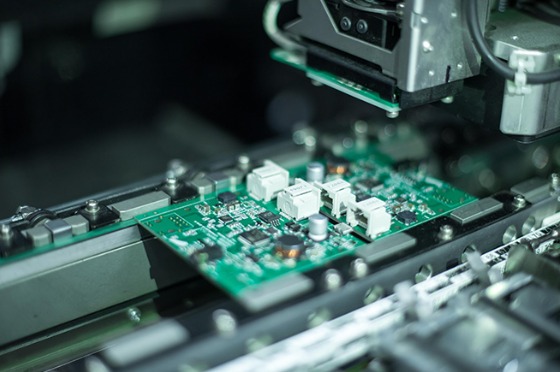
When electronics development moves quickly, waiting weeks for assembled prototypes can slow down testing, troubleshooting, and product improvements. Engineers need physical boards to evaluate their designs, identify issues, and make revisions without unnecessary production delays. This is where fast PCBA manufacturing becomes especially valuable. A reliable assembly partner should not only deliver boards quickly but also maintain strong quality-control procedures throughout the manufacturing process.
For prototype and small-batch projects, quick turn PCB assembly services can help shorten production waiting time while supporting the inspection standards needed for dependable electronic assemblies. Fast turnaround is most useful when speed and quality are treated as equally important parts of the manufacturing process.
Why Fast PCBA Matters for Product Development
The prototype stage often involves several rounds of testing and revision. Engineers may need to check:
- Electrical performance
- Component compatibility
- Thermal behavior
- Firmware integration
- Other design characteristics
A long assembly cycle can make every revision take significantly more time. If a design change requires another prototype, the engineering team must wait for manufacturing before it can test the updated version. This creates unnecessary gaps between design decisions and physical validation.
FastTurnPCB supports PCBA prototyping in approximately 2–3 days. This shorter turnaround can help engineering teams receive assembled boards sooner and move more quickly into testing and evaluation.
However, speed alone is not enough. A fast board that contains assembly defects can create additional troubleshooting and rework. The real advantage comes from combining a short production timeline with systematic quality inspection.
How Fast Delivery and Quality Control Work Together
A fast PCBA process needs to be carefully organized so that important inspection stages are not skipped. At FastTurnPCB, the assembly workflow follows a structured sequence designed to check materials and assembly quality at multiple points.
1. Incoming Component Inspection
The process begins with 100% incoming component inspection. Components are checked before entering production to help verify that the required materials are suitable for assembly. Detecting component-related problems early can prevent avoidable production interruptions later in the process.
2. Solder Paste Inspection
After incoming inspection, the boards move through Solder Paste Inspection (SPI). SPI checks solder-paste application before components are placed. Proper solder-paste volume, position, and consistency are important because problems at this stage can contribute to soldering defects after reflow.
3. SMT Placement
The next stage is SMT placement, where automated equipment positions components accurately on the PCB. Modern electronic products often use very small components, making placement precision an important part of assembly quality.
FastTurnPCB supports 01005 placement for assemblies requiring this level of component precision.
4. 12-Zone Nitrogen Reflow
Once components are positioned, the boards enter a 12-zone nitrogen reflow process. Controlled heating helps create consistent solder joints while allowing the thermal profile to be managed according to the assembly requirements.
5. 3D AOI
Quality inspection continues after reflow. 3D AOI (Automated Optical Inspection) examines assembled boards for problems such as:
- Missing components
- Incorrect component placement
- Visible soldering defects
Using inspection after soldering provides another opportunity to identify issues before assemblies move further through production.
6. X-Ray Inspection
For components with hidden solder connections, additional inspection is required. X-Ray inspection for BGA, QFN, and FPGA assemblies provides visibility beneath component packages where conventional optical inspection cannot directly see the solder joints.
This helps identify potential defects in areas that would otherwise remain hidden.
Complete PCBA Workflow
The complete quality-control workflow can be summarized as:
Incoming Component Inspection → SPI → SMT Placement → 12-Zone Nitrogen Reflow → 3D AOI → X-Ray for BGA/QFN/FPGA
This layered approach allows manufacturers to pursue fast production without treating quality inspection as an optional step.
Supporting Precise and Complex Assemblies
Fast prototype manufacturing must also handle the demands of modern electronics. As products become smaller and more compact, manufacturers need accurate component placement and controlled soldering processes.
01005 components are one example of the precision required in compact electronics. Their small size makes accurate SMT placement particularly important. In addition, BGA components can require specialized attention because their solder connections are located underneath the package.
FastTurnPCB supports both 01005 placement and BGA rework, helping customers manage assemblies that require precise component handling and component-level correction.
These capabilities are particularly relevant for applications such as:
- Medical electronics
- Industrial control
- Robotics
- IoT devices
- Communication equipment
In these applications, consistent assembly quality can be important to overall product performance.
Faster Prototyping Without Sacrificing Inspection
The purpose of quick-turn PCBA is not simply to manufacture a board faster. The larger benefit is reducing the time between important engineering decisions.
When an assembled prototype arrives sooner, engineers can begin testing earlier. Testing may reveal a design issue, component problem, or improvement opportunity. The team can then make the necessary changes and request another prototype without spending excessive time waiting between stages.
This makes manufacturing turnaround an important part of the overall product-development cycle. A well-organized process can help engineering teams spend less time waiting and more time testing and improving their designs.
Choosing a Reliable Quick-Turn PCBA Partner
When selecting a PCBA manufacturer, turnaround time should be considered alongside inspection capabilities and manufacturing processes. A suitable partner should have the equipment and quality-control procedures needed to produce assemblies efficiently while maintaining consistency.
Important capabilities for fast and quality-focused PCBA include:
- 100% incoming component inspection
- SPI
- Accurate SMT placement
- 12-zone nitrogen reflow
- 3D AOI
- X-Ray inspection for BGA/QFN/FPGA
- 01005 placement
- BGA rework
FastTurnPCB combines these capabilities with an approximately 2–3 day PCBA turnaround.
Conclusion
Fast PCBA manufacturing is most valuable when rapid delivery and complete quality inspection work together. Speed without proper inspection can create additional defects, rework, and delays, while strong quality procedures combined with an efficient production workflow can help engineering teams move forward more confidently.
By following a structured process from incoming component inspection through SPI, SMT placement, 12-zone nitrogen reflow, 3D AOI, and X-Ray inspection for BGA, QFN, and FPGA assemblies, manufacturers can support both production efficiency and assembly quality.
Most importantly, a shorter PCBA turnaround helps create a faster Prototype → Test → Revision cycle. Engineers can receive assembled boards sooner, test their designs earlier, identify improvements, and move into the next revision with less waiting. That combination of speed and complete inspection can make the overall electronics development process more efficient and responsive.