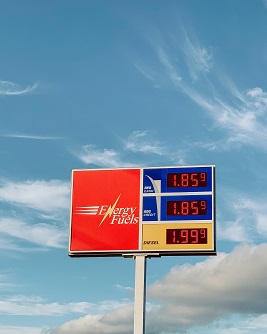
Energy prices play a critical role in the economy, affecting consumers, businesses, and governments alike. Understanding energy prices involves diving into key concepts such as energy markets, pricing models, and the factors that influence these costs. Energy markets refer to the various platforms or systems where energy is bought, sold, and traded. These markets can be segmented into wholesale and retail levels, where wholesale markets allow large-scale energy transactions, while retail markets cater to end consumers. Pricing models in the energy sector often reflect supply and demand dynamics. Prices can fluctuate based on various factors, including geopolitical events, seasonal changes, and advancements in technology. For instance, during periods of high demand—such as extreme weather conditions—energy prices may increase significantly. Conversely, if there is an oversupply of energy, prices may decrease. Understanding these pricing models helps consumers and businesses make informed decisions regarding energy consumption and budgeting.
The comprehension of energy prices is essential not only for households aiming to manage their utility bills but also for industries that depend heavily on energy resources. Various sectors, such as manufacturing and transportation, experience direct impacts on operational costs due to energy price fluctuations. Policymakers also rely on this understanding to design effective regulations and energy strategies that can ensure sustainability while also protecting consumer interests.
As energy prices rise, the stakes become increasingly significant, underscoring the importance of staying informed on trends and developments within the energy sector. Each of these elements plays a vital role in framing the broader conversation regarding the rising energy prices today, making it crucial for stakeholders to engage with this topic comprehensively.
Factors Contributing to Rising Energy Prices
Rising energy prices are shaped by a complex interplay of several factors, including supply and demand dynamics, geopolitical tensions, regulatory changes, and natural disasters. Understanding these factors is crucial in comprehending why energy costs surge in various circumstances.
Supply and demand dynamics serve as a fundamental driver of energy pricing. When demand significantly increases, such as during extreme weather conditions, energy prices may rise sharply due to the strain on existing supply levels. Conversely, periods of oversupply might lower prices; however, sustained low prices may lead to reduced investments in production, creating future supply shortages.
Geopolitical tensions play a significant role in energy prices, particularly for oil and natural gas. For instance, conflicts in oil-rich regions can disrupt supply chains, causing prices to spike. The ongoing tensions, such as those seen in the Middle East, often lead to uncertainty in the market, which in turn fuels speculation and higher prices as traders react to potential disruptions.
Regulatory changes also influence energy prices considerably. Governments may impose new regulations that either enhance or limit exploration, production, and distribution. For example, strict environmental policies may inhibit fossil fuel extraction, impacting supply and driving up prices. Furthermore, incentives for renewable energy can also shift market dynamics as traditional energy sources are phased out.
Lastly, natural disasters are an unpredictable yet potent factor in the rise of energy costs. Events such as hurricanes can damage critical infrastructure, leading to temporary supply shortages. For instance, Hurricane Katrina in 2005 resulted in significant disruptions to oil and gas production in the Gulf of Mexico, leading to notable increases in energy prices across the United States.
Global Economic Trends and Their Impact on Energy Costs
The correlation between global economic trends and energy prices is significant and multifaceted. Economic fluctuations, such as inflation rates, currency exchange value, and overall economic growth, play pivotal roles in determining energy costs worldwide. As economies expand or contract, the demand for energy shifts correspondingly, which in turn affects pricing.
Firstly, inflation is a critical economic indicator that can influence energy prices directly. When inflation rises, the costs of production also increase due to higher expenses for labor and materials. This rise in production costs is often passed on to consumers in the form of higher energy prices, resulting in a cycle where increased energy expenditures can further fuel inflation.
Additionally, currency exchange rates factor into energy pricing for countries that are reliant on imported energy resources. A decline in a country’s currency can lead to increased costs for energy imports, as it takes more of the local currency to purchase the same amount of foreign energy products. Consequently, this can create upward pressure on domestic energy prices, impacting consumers and businesses alike.
Furthermore, overall economic growth significantly affects energy demand levels. During periods of economic expansion, energy consumption generally rises as industries boost output and households increase their energy usage. This heightened demand can pressure energy supplies, leading to price increases. Conversely, during economic downturns, energy demand often wanes, potentially leading to price reductions as suppliers try to stimulate consumption.
In conclusion, understanding how global economic trends—such as inflation, currency fluctuations, and economic growth—interact with energy costs is essential for predicting future energy price movements. Stakeholders, ranging from policymakers to consumers, must remain vigilant to these macroeconomic indicators to navigate the complexities of energy pricing effectively.
The Role of Renewables in Energy Pricing
The increasing adoption of renewable energy sources is transforming the traditional energy pricing landscape. As nations strive to meet environmental commitments and ensure energy security, the shift towards renewables such as solar, wind, and hydroelectric power becomes not only a necessity but also a vital component of the energy mix. This transition is complex, often resulting in both opportunities for price reduction and challenges tied to initial investment and infrastructural changes.
One of the most critical aspects of this shift is the potential for lower long-term energy prices. Renewable energy technologies have seen substantial advancements, leading to significant reductions in generation costs. For instance, solar and wind energy have become increasingly cost-effective, often competing directly with fossil fuels. According to recent analyses, the levelized cost of electricity from renewables is projected to decline further as technology improves and deployment increases. This trend could potentially lead to lower energy prices for consumers, providing an economic incentive to favor renewable sources.
However, the transition to renewable energy does involve transitional costs that can influence overall energy pricing in the short term. Investments in new infrastructure, such as smart grids and energy storage systems, are essential for integrating renewable sources effectively. These capital expenditures can result in higher prices initially as utility companies recoup their investments. Furthermore, the decommissioning of fossil fuel plants and the retraining of workers pose additional economic challenges that may need to be addressed through regulatory policies or government support.
Ultimately, while the renewable energy shift presents significant potential for reducing energy costs in the long run, the transition phase requires careful planning and policy implementation to manage the associated short-term expenses. Stakeholders must navigate these challenges to realize the full economic benefits of renewable energy sources.
The Impact of Government Policies on Energy Pricing
Government policies have a significant influence on energy pricing, shaping the landscape of how energy is produced, distributed, and consumed. Both regulations and subsidies play critical roles in determining the final costs to consumers and businesses alike. Regulatory frameworks can either promote efficiency and sustainability or create barriers that lead to increased prices.
One notable aspect of government involvement is the imposition of tariffs and fuel taxes. Tariffs on imported energy resources may protect domestic producers but can also lead to higher prices for consumers as the costs of these tariffs are often passed down. Similarly, fuel taxes imposed on fossil fuels aim to encourage less consumption and promote cleaner alternatives. However, such taxes can inadvertently inflate prices, impacting consumers’ budgets, especially in periods of high energy demand.
Conversely, government incentives for renewable energy sources can lower prices in the long run. Through subsidies, tax credits, and grants, governments encourage investment in renewable technologies such as wind, solar, and hydroelectric power. These incentives can diminish the reliance on fossil fuels, ultimately providing more competitive pricing in the energy market. Furthermore, as renewable energy sources become more prevalent and technology advances, economies of scale can emerge, driving prices even lower.
However, the relationship between government policy and energy prices is complex. Policies designed to stabilize prices during periods of volatility can lead to unintended consequences, including market distortions or reduced investment in infrastructure. Additionally, changes in administration can rapidly shift energy policy, leading to instability in the market. Understanding the multifaceted impact of government policies is essential for stakeholders, as these mechanisms directly influence energy pricing dynamics.
Consumer Impact of Rising Energy Prices
As rising energy prices continue to dominate headlines, the impact on consumers becomes increasingly apparent. One of the most immediate effects of escalating energy costs is the significant increase in utility bills. Households across various demographics are witnessing their monthly expenses attributed to electricity, heating, and gas rise sharply, which puts additional strain on family budgets. Given that energy constitutes a substantial portion of household expenses, any increase can adversely affect consumer spending in other sectors.
Moreover, rising energy prices often prompt changes in consumption patterns. Consumers may begin to reconsider their usage habits to mitigate costs, which can include adjusting thermostat settings, utilizing energy-efficient appliances, or even reducing overall energy consumption. This shift in behavior can lead to a more conscientious approach to energy use, where consumers actively seek ways to decrease their consumption in pursuit of cost savings.
Additionally, the broader implications of rising energy costs can influence not only household budgets but also lifestyle choices. For example, families may choose to spend less on leisure activities or travel, as they redirect funds towards covering escalating energy expenses. The ripple effect can be felt in various sectors, from retail to hospitality, as consumer spending habits evolve in response to financial pressures caused by energy price hikes.
To navigate these challenges, consumers can adopt several strategies to mitigate the impacts of rising energy prices. Implementing practical measures such as investing in energy-efficient technologies, participating in energy-saving programs, or even switching to alternative energy suppliers may help alleviate some of the financial burdens. Additionally, consumers must stay informed on energy market trends and policy changes that may affect pricing, thus enabling more strategic decision-making regarding energy use.
Business Implications of Increasing Energy Costs
The impact of rising energy prices extends significantly into the operational landscape of various industries. Businesses across sectors have been compelled to adjust their operational costs, which are influenced directly by energy expenses. These costs can encompass everything from electricity bills to transportation expenses, particularly for industries heavily reliant on energy consumption, such as manufacturing, transportation, and agriculture.
Increasing energy costs can lead to tighter profit margins, prompting businesses to reevaluate their pricing strategies. When energy prices rise, companies may face a stark choice: absorb the costs, thereby reducing profits, or pass these costs onto consumers through higher prices. This dynamic can create a ripple effect throughout the market, influencing competitive dynamics as firms strive to maintain their customer base while managing their energy expenditures.
Industries like manufacturing face some of the most acute challenges due to their high energy consumption in production processes. For these businesses, fluctuations in energy prices necessitate a reconsideration of supply chain management and the selection of energy sources. Meanwhile, sectors such as retail may see a delayed impact, but eventually will have to cope with higher operational costs, risking a compromise on profit margins or consumer demand.
Moreover, the impact of energy prices extends beyond direct operational costs. Companies must also consider the implications on their sustainability initiatives and corporate responsibility commitments. Rising energy prices may incentivize businesses to invest in more energy-efficient technologies or renewable energy sources, which can lead to long-term savings despite the initial capital outlay.
In summary, the escalating energy prices pose multifaceted challenges to businesses, influencing operational costs, pricing strategies, and competitive landscapes. Industries that consume significant amounts of energy will experience the most pronounced effects, necessitating strategic adaptations to ensure financial viability and market competitiveness.
Future Trends in Energy Pricing
The future of energy pricing is anticipated to be influenced by a multitude of factors, including technological advancements, changing consumer behavior, and shifting geopolitical dynamics. In the realm of technology, renewable energy sources such as solar and wind continue to gain traction, resulting in a gradual decrease in production costs. As these technologies become more widespread, they are likely to lead to a more competitive energy market, potentially driving prices down over time.
Furthermore, the integration of smart grids and energy storage solutions is projected to enhance efficiency in energy distribution and consumption. These innovations could allow consumers to become more responsive to energy prices, such as by adjusting their usage during peak hours to capitalize on lower rates. This shift in consumer behavior is expected to play a pivotal role in shaping energy pricing structures in the future.
In addition, geopolitical factors, including international relations and conflicts, will continue to play a significant role in determining energy prices. The ongoing transition towards energy independence among various nations may lead to fluctuations in global markets, impacting the prices for oil, gas, and electricity. Moreover, as countries implement policies aimed at reducing carbon emissions, there could be an increase in carbon pricing, further influencing the energy cost landscape.
In summary, the future trends in energy pricing are likely to reflect a complex interplay of technological developments, consumer engagement, and geopolitical considerations. Keeping a close watch on these factors will be essential for stakeholders in the energy sector, as they prepare for a future marked by increased volatility and change in pricing mechanisms. By adapting to these anticipated trends, individuals and businesses alike can better position themselves within an evolving market environment.
Conclusion and Practical Takeaways
In the context of rising energy prices, various factors contribute to the ongoing fluctuations in costs that consumers and businesses encounter daily. Understanding these elements, including geopolitical tensions, supply chain disruptions, and changes in demand, is crucial for navigating the energy market landscape. As these prices continue to rise, it is imperative for both individuals and organizations to adopt proactive measures to mitigate the financial impact.
One of the primary strategies for consumers is to regularly monitor their energy consumption patterns. Identifying and reducing waste can lead to considerable savings over time. Simple measures, such as using energy-efficient appliances, optimizing heating and cooling systems, and implementing smart home technologies, can reduce overall energy consumption. Moreover, engaging with energy providers to explore competitive rates or alternative energy sources can help mitigate rising costs.
Businesses, facing a more complex energy landscape, should consider comprehensive energy management strategies. Conducting regular energy audits can highlight inefficiencies and opportunities for cost reduction. Additionally, investing in renewable energy sources, such as solar or wind, may yield long-term savings despite the initial investment. Establishing demand response programs and energy procurement strategies can also provide a cushion against market volatility.
Staying informed about energy policy changes and market trends is vital for both consumers and businesses. Participating in community energy programs or advocacy groups can amplify efforts to promote sustainable energy use. Understanding the implications of energy regulations may further bolster one’s ability to adapt to rising energy prices.
In conclusion, the rise in energy prices necessitates a well-informed and proactive approach from both consumers and businesses. By adopting efficient practices and remaining vigilant about market dynamics, individuals and organizations can effectively manage the challenges posed by fluctuating energy costs.