Every construction project runs on the same currency: time. The faster a crew can mobilize, the sooner a foundation gets poured, walls go up, and a job wraps ahead of schedule. Yet one of the biggest bottlenecks in construction has nothing to do with labor or permits — it’s equipment. Waiting weeks for a purchase order to clear, tying up cash in machinery that sits idle half the year, or scrambling to find a replacement when a piece of equipment breaks down mid-project can derail even the most carefully planned timeline.
That’s why more contractors, developers, and site managers are rethinking how they access heavy machinery altogether. Instead of viewing equipment as something to own, they’re treating it as something to use exactly when needed. This shift isn’t just about saving money, though the savings are real. It’s about building a leaner, more responsive operation that can take on more projects without drowning in overhead.
This post breaks down why renting has become the go-to strategy for modern construction teams, what to look for in an equipment rental partner, and how the right access to machinery can directly impact your bottom line.
The Real Cost of Owning Heavy Equipment
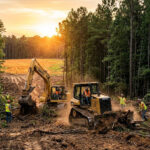
Buying an excavator, skid steer, or crane isn’t just a large upfront expense. It’s an ongoing financial commitment that includes maintenance, storage, insurance, depreciation, and eventual resale. A single piece of heavy equipment can lose a significant portion of its value within the first few years, regardless of how well it’s maintained.
Then there’s the utilization problem. Most contractors don’t run every machine every day. Equipment sits idle between projects, taking up yard space and requiring upkeep even when it’s not generating revenue. That capital could otherwise go toward hiring skilled labor, bidding on new contracts, or investing in technology that improves efficiency across a jobsite.
Renting flips this equation. Instead of paying for a machine 365 days a year, contractors pay only for the days it’s actually working. That difference adds up fast, especially for mid-sized firms juggling multiple projects with varying equipment needs.
How Renting Keeps Your Projects Moving Forward
Downtime is expensive. When a piece of owned equipment breaks down, a contractor is often stuck waiting on parts, technicians, or warranty claims while the clock keeps ticking on a project deadline. Rental agreements typically come with maintenance and replacement built in, meaning a malfunctioning machine doesn’t have to bring an entire crew to a standstill.
This reliability extends beyond breakdowns. When a project scope changes unexpectedly — say, a job requires a larger compactor than originally planned — a rental fleet can adapt in days, not months. Contractors aren’t locked into whatever equipment they happened to purchase years ago. They can match the machine to the job every time.
Access to the Latest Machinery Without the Investment
Construction equipment technology moves quickly. Newer models often come with improved fuel efficiency, better safety features, and telematics that help track performance and reduce operating costs. But upgrading a fleet every few years isn’t realistic for most businesses.
Renting solves this by giving contractors access to newer, well-maintained machines without the burden of ownership. Instead of running outdated equipment that’s less efficient and more prone to costly repairs, crews can work with modern machinery suited to the specific demands of each job. This also reduces safety risks, since rental fleets are generally inspected and serviced on a consistent schedule.
Flexibility That Matches Your Project Timeline
Not every project calls for the same equipment, and few contractors have a fleet large enough to cover every possible scenario. A residential build might need a mini excavator for a week, while a commercial job could require a boom lift for several months. Owning enough variety to cover every situation would be financially impractical for most businesses.
Rental flexibility allows companies to scale their equipment access up or down based on actual project demand. This is particularly valuable for firms managing seasonal work or bidding on projects outside their usual scope. Instead of turning down a job because the right machinery isn’t in the yard, contractors can simply rent what’s needed and return it once the work is complete.
Partner with Experts Who Understand Your Job Site
Direct, reliable access to well-maintained machinery and knowledgeable support staff is exactly what Rio Rental Partners brings to every project, whether it’s a small residential renovation or a large-scale commercial build. Rather than treating equipment rental as a transaction, the team focuses on understanding the specific demands of each job site and matching contractors with the right machines, attachments, and support to keep work moving efficiently.
This kind of partnership matters because equipment needs rarely stay static throughout a project’s lifecycle. Having a rental provider who can respond quickly to changing requirements, offer guidance on equipment selection, and provide dependable service reduces the guesswork that often comes with managing a jobsite. It allows contractors to focus on what they do best: building.
Building a More Efficient Future, One Project at a Time
Construction has always rewarded those who can adapt quickly, manage costs carefully, and keep projects on schedule. Equipment rental has become a central part of that strategy, giving contractors the flexibility to take on more work without the financial strain of ownership.
As project timelines get tighter and client expectations continue to rise, having reliable access to the right machinery, exactly when it’s needed, isn’t just a convenience. It’s becoming a competitive advantage. Contractors who embrace this approach are positioning themselves to bid on more projects, respond faster to unexpected changes, and ultimately deliver better results for their clients.
If your next project calls for equipment that’s ready to perform without the overhead of ownership, now is the time to explore what a dedicated rental partnership can offer.