

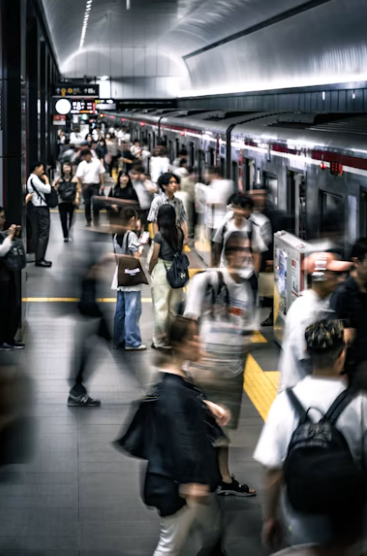
Crowded rail stations can shift from orderly to overloaded within minutes when delayed services, major events or disrupted connections send hundreds of passengers into the same space. For people relying on the daily commute, these sudden changes can turn a familiar journey into a stressful experience. Fixed barriers and static operating plans often fail to reflect how people actually move during these peaks. Station managers need better visibility, quicker interventions and layouts that can adapt as demand changes.
The consequences extend beyond inconvenience. Dense queues can obscure signs, block platforms and slow assistance for passengers with reduced mobility. Addressing these pressures requires station design, live operational data and access systems to work together.
Surges That Overwhelm Traditional Concourse Plans
Traditional concourses are often designed around average passenger numbers. Yet a cancelled departure followed by two closely timed services can create a surge far beyond that baseline. Ticket barriers become bottlenecks while passengers cluster around information displays and platform entrances.
Reviews of the wider rail network outlook highlight the continuing need for infrastructure investment and modernisation. At station level, operators can start by mapping passenger movement in 15-minute intervals, including disrupted periods. Temporary holding zones, clearly marked alternative routes and staff positioned before queues form can then support a faster response. Plans should also account for luggage, wheelchairs and pushchairs, which alter the practical capacity of corridors and gates.
Connecting Video Feeds With Automated Access Points
Separate systems make it harder for control-room teams to understand a developing problem. A camera may reveal crowding, but operators lose valuable time if they must check another screen to confirm gate status or contact staff through a separate tool.
A unified physical security platform can bring video management, access control and communications information into one operational view for security professionals and facility managers. In a rail terminal, this helps authorised teams verify conditions before adjusting automated access points or sending staff to a specific location.
Clear procedures still matter. Operators should define who may change gate settings, what evidence supports that decision and how the action is recorded. Regular drills can test whether alerts reach the right people and whether passengers receive updated directions at the same time.
Predictive Queue Management in Real Time
Live queue management works best when teams act before density reaches a critical level. Inputs can include camera analytics, barrier counts, timetable changes and reports from platform staff. A sudden increase at one entrance may then trigger an early response, such as opening an approved route or redirecting arriving passengers.
Good terminal design principles also show why passenger experience depends on clear movement, useful information and well-planned waiting areas. Technology supports these features but cannot correct confusing signs or poorly placed ticket machines on its own.
Set practical thresholds for each zone and review them after disruptions. If a concourse repeatedly reaches capacity ten minutes before evening departures, staff deployment and passenger messaging should begin earlier. Recording the outcome helps teams refine future thresholds with evidence.
Designing Rail Terminals for Long-Term Resilience
Resilient terminal design gives operators several safe ways to manage changing demand. Wide sightlines help passengers find exits and platforms, while flexible barriers allow queues to expand without blocking main walking routes. Displays should remain visible from crowded areas, and announcements should match the information shown on screens.
Design reviews need to include people who use the station differently. Test routes with mobility aids, luggage and young children, then measure journey times during ordinary operations and simulated disruption. Equipment placement should also leave enough room for maintenance without closing a busy passage.
Major rebuilding may take years, so focus first on recurring pressure points. Moving one information display, changing a queue boundary or linking an alert to a documented response can prevent a familiar bottleneck from becoming the station’s next serious passenger flow crisis.