Open-mindedness is a cognitive and emotional position characterized by a willingness to consider new ideas, perspectives, and experiences. This quality plays a pivotal role in personal growth, fostering interpersonal relationships, and contributing to societal progress. In a world where diverse opinions and cultures intersect, being open-minded enables individuals to engage constructively with others, promoting empathy and understanding. The ability to embrace differing viewpoints has significant implications for conflict resolution and collaboration, making it a fundamental aspect of a progressive society.
As we navigate through the various dimensions of our lives, technology has become an omnipresent force, transforming not only how we communicate but also how we comprehend information. From the advent of the internet to the ubiquity of smartphones and social media platforms, technology has evolved rapidly, reshaping our daily interactions. This digital landscape provides individuals with unprecedented access to information and the ability to connect with diverse groups, which could be seen as an enhancement of open-mindedness.
However, while technology offers these advantages, it also presents challenges that potentially hinder the development of open-mindedness. The proliferation of echo chambers, fueled by social media algorithms, can create environments where individuals are exposed only to opinions that align with their own, thereby narrowing their worldview. This phenomenon raises critical questions about whether technology, in its current form, is fostering a culture of openness or contributing to the entrenchment of biases and prejudices. As we delve deeper into the implications of technological evolution, it is essential to examine its impact on our capacity for open-mindedness.
The Dual Nature of Technology: Connecting and Isolating
Technology plays a fascinating dual role in shaping our open-mindedness. On one hand, it fosters connectivity and provides avenues to engage with a multitude of perspectives. Social media platforms, online forums, and other digital communities allow individuals to interact with diverse groups of people from different cultural, geographical, and ideological backgrounds. For instance, platforms like Twitter and Facebook enable users to follow thought leaders, activists, and experts, which can expose them to opinions and viewpoints that might be vastly different from their own.
Numerous studies have illustrated how access to a variety of content can lead to increased understanding and empathy. For example, exposure to diverse narratives, such as those represented in documentaries or personal blogs, can challenge prevailing stereotypes and encourage critical thinking. This aspect of technology may be seen as a means to broaden one’s horizons, promoting a sense of global citizenship where individuals are more inclined to appreciate and understand differing viewpoints.
Conversely, the same technology can isolate individuals within echo chambers and filter bubbles, greatly limiting exposure to contrasting ideas. Algorithms governing social media feeds often prioritize content that aligns with users’ existing beliefs, inadvertently creating an environment where dissenting opinions are seldom encountered. A recent study highlighted that individuals who solely consume information from homogenous groups are less likely to engage in meaningful debate and more prone to radicalism.
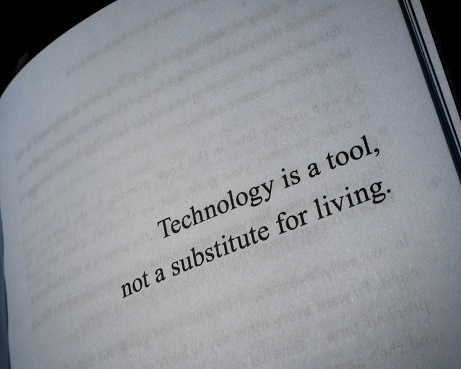
Technology’s dual nature signifies that while it has the potential to enhance open-mindedness through connection, it equally harbors risks that can foster isolation. Balancing these two aspects is vital for individuals aiming to cultivate a well-rounded understanding of the world around them. Recognizing the sources of information we engage with is a crucial step toward maintaining open-mindedness in the digital age.
Cognitive Dissonance and Confirmation Bias in the Digital Age
In today’s digital landscape, individuals frequently encounter information that may conflict with their existing beliefs, leading to a psychological phenomenon known as cognitive dissonance. This occurs when a person experiences mental discomfort stemming from holding two or more contradictory ideas simultaneously. For instance, a user who identifies with a particular political stance may struggle when confronted with opposing viewpoints, which can generate feelings of anxiety or tension. To alleviate this discomfort, individuals often resort to rationalization or avoidance strategies, further entrenching their original beliefs rather than opening themselves to diverse perspectives.
A related concept, confirmation bias, plays a significant role in how individuals interact with information in the digital age. This cognitive bias leads people to favor information that confirms their preexisting beliefs while disregarding or dismissing contradictory evidence. Social media platforms, through their algorithms, often exacerbate this bias by curating content tailored to users’ interests and preferences. Consequently, users are frequently exposed to a narrow range of ideas that align with their existing viewpoints, which discourages open-mindedness and critical thinking.
Moreover, the design of these platforms encourages echo chambers, where individuals interact primarily with like-minded individuals. This environment fosters an illusion of consensus, further discouraging users from exploring differing opinions. As a result, technology may inadvertently reinforce cognitive dissonance and confirmation bias, creating barriers to constructive dialogue and understanding. In essence, as individuals become more reliant on digital sources for information, the risk of entrenching one’s beliefs increases, leading to a less open-minded approach to differing perspectives.
Cultivating Open-Mindedness in a Technological World
As society becomes increasingly intertwined with technology, cultivating open-mindedness becomes ever more critical. One effective strategy is to engage critically with the information that permeates our digital spaces. This involves not just passive consumption of content, but active questioning of its sources and motives. When individuals encounter news articles, social media posts, or online discussions, they should seek to verify information and understand the context in which it appears. This does not merely enhance critical thinking skills but also fosters a healthy skepticism towards potentially misleading narratives.
In addition to engaging critically with information, seeking out diverse perspectives is essential to enriching one’s worldview. Technology provides an unprecedented platform for accessing a multitude of viewpoints. By following a variety of voices across different backgrounds, cultures, and ideologies, individuals can challenge their preconceptions and expand their understanding. Online forums, podcasts, and blogs can be invaluable resources for finding these varied perspectives, promoting a more inclusive dialogue that can foster open-mindedness.
Leveraging technology for positive learning experiences also plays a pivotal role in promoting open-mindedness. Many educational platforms and tools facilitate learning about topics that may differ from one’s usual interests or worldview. Online courses, webinars, and virtual discussions can introduce individuals to new ideas and concepts that stimulate curiosity and critical thought. Moreover, community engagement through technology, such as online discussion groups or virtual town halls, can further catalyze conversations that are both meaningful and diverse.
Finally, the role of education and personal responsibility cannot be overstated in the pursuit of fostering open-mindedness. Educational systems must prioritize critical thinking and encourage students to explore differing viewpoints. Simultaneously, individuals need to take ownership of their learning experiences, consciously choosing to engage in dialogues that challenge and inspire. By adopting these strategies, society can work towards a more open-minded future, even amidst the complexities of a rapidly advancing technological environment.