


The Ocean After Sunset Is a Different World
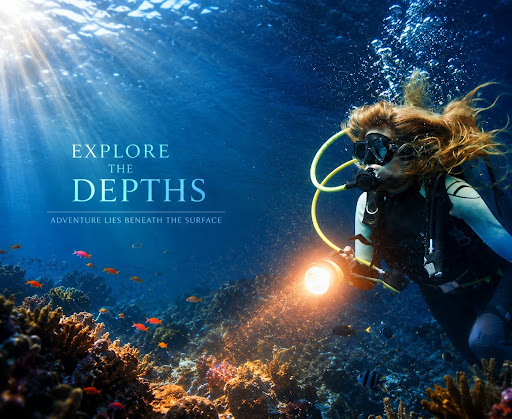
Every diver has a moment when the ocean stops being just beautiful and becomes genuinely otherworldly. For most, that moment comes the first time they try night diving. Dropping beneath the surface after sunset completely transforms the underwater experience. The fish you saw during the day have retreated; an entirely different cast of creatures has taken the stage. Octopuses, lobsters, crabs, and moray eels emerge from their hiding spots. Coral polyps open to feed, glowing softly in your torch beam. It’s one of the most magical things you can do in the ocean.
Why the Bay Islands Are Ideal for Night Dives
The Bay Islands of Honduras — particularly Utila — offer some of the best conditions for night diving in the Caribbean. The reefs are healthy and diverse, the water is warm year-round (typically 80–84°F), and visibility is generally excellent even at night. Many of the best dive sites are a short boat ride from shore, so night excursions are logistically easy to organize.
The reef system here sits on the Mesoamerican Barrier Reef, meaning the underwater topography is varied and interesting — walls, swim-throughs, and coral gardens that look completely different once the sun goes down and your dive light is your only guide.
What to Expect on Your First Night Dive
If you’ve never done a night diving excursion before, here’s what to expect. The briefing is more detailed than a standard dive — your dive guide will walk you through communication signals (torch signals replace hand signals in the dark), emergency procedures, and the plan for the dive. You’ll enter the water before full dark to allow your eyes to start adjusting, then descend as night falls.
Stay close to your guide, move slowly, and resist the urge to shine your light everywhere at once. Let your beam settle on specific areas and watch what emerges. The slower you move, the more you’ll see.
The Best Scuba Diving Lights: What to Look For
Choosing the best scuba diving lights for a night dive makes a significant difference to your experience. Here’s what matters:
- Primary dive light: Your main light should produce at least 1,000 lumens and have a burn time that exceeds your planned dive duration. LED models with rechargeable batteries are the current standard.
- Backup light: Always carry a secondary light. If your primary fails underwater, your backup gets you back to the surface safely. Compact canister lights or clip-on models work well.
- Beam width: A narrower, focused beam works well for peering into crevices and following marine life. A wider flood beam is better for general navigation and reef observation.
- Red lights: Some experienced divers carry a dim red light for low-impact illumination. Red light preserves night vision and is less disruptive to marine life.
Night Diving Etiquette and Safety
The best scuba diving lights in the world won’t help you if you’re not following basic safety protocols. Always dive with a buddy, monitor your depth and air more frequently than on day dives, and agree on a signal for ‘all okay’ and ‘time to ascend’ before you enter. Most guided night dives in Utila are well-organized and suitable for divers with an Open Water certification or higher.
Night diving is one of those experiences that, once you’ve done it, you’ll seek out everywhere you travel. The Bay Islands are an exceptional place to do it for the first time.