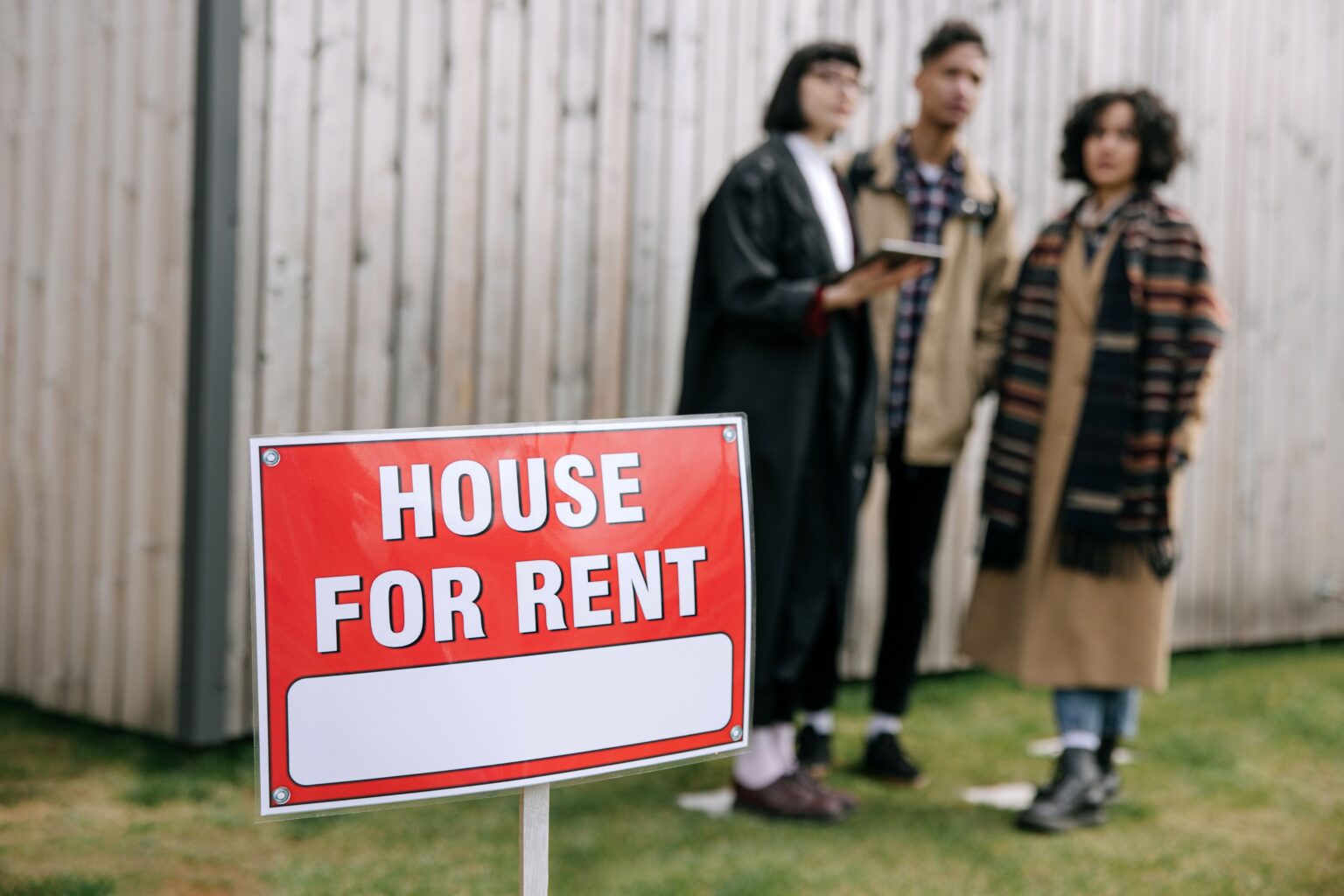
Setting the rent for a property can feel like a simple numbers game. Look at similar homes, choose a figure, publish the listing, and wait for enquiries. In reality, pricing a rental property involves a much more important question: what rent gives you a good return while still making the property attractive to reliable tenants?
For anyone managing a Rental property Bolton, getting that balance right can make a noticeable difference to long-term income. A rent that is too ambitious may leave the property empty, while a figure that is too low could reduce your return unnecessarily.
The best approach is to look beyond the monthly figure and consider demand, property condition, location, tenant expectations, and the cost of finding a new tenant.
Start With the Tenant, Not the Price
Imagine two similar properties are available on the same street.
One is slightly cheaper but has dated interiors, limited storage, and no parking. The other costs a little more but is clean, well-maintained, has parking, and is close to useful local amenities.
A tenant may be willing to pay more for the second property because they can see greater value in it. This is why landlords should not base rental pricing entirely on the number displayed on another listing.
Before deciding on a figure, ask what type of tenant your property is most likely to attract.
A family may value garden space and nearby schools. A professional tenant may care more about transport connections, parking, broadband, and access to employment areas. Understanding these priorities helps you judge whether your property’s current features support the rent you have in mind.
Find Your Property’s Real Competition
Searching rental listings is useful, but simply looking at properties with the same number of bedrooms isn’t enough.
A two-bedroom apartment and a two-bedroom semi-detached house may appeal to completely different tenants. Even two properties within the same neighbourhood can have noticeably different rental values because of condition, size, parking, outdoor space, furnishings, and location.
Create a shortlist of genuinely comparable properties and compare them carefully.
Look at:
- Asking rent and property type
- Number and size of rooms
- Property condition and age
- Parking, garden, balcony, or storage
- Furnished or unfurnished status
- Transport links and nearby amenities
This gives you a much more realistic picture of where your property sits within the local rental market.
The Highest Asking Rent Isn’t Always the Best Rent
This is where landlords can sometimes get caught out.
Suppose you believe your property could achieve £1,200 per month, so you list it at that figure. If tenants consistently choose similar homes advertised at £1,100, your property could remain empty while you wait for someone willing to pay more.
Now consider the numbers over a year. An extra £100 per month sounds attractive, but several weeks without a tenant can quickly reduce the difference.
A slightly more competitive rent can sometimes produce a stronger overall return because the property spends less time vacant.
The objective should therefore be maximum sustainable income, rather than simply the highest possible monthly rent.
What Does Your Property Offer That Others Don’t?
Tenants compare properties in terms of value.
If your home has recently been redecorated, includes modern appliances, offers private parking, or has a well-maintained garden, these features may help it stand out against similar properties.
However, not every improvement automatically justifies a higher rent.
A landlord might spend thousands on an expensive renovation that tenants in the area do not particularly value. Meanwhile, a relatively inexpensive improvement such as better lighting, fresh decoration, or improved storage could have a much stronger effect on the property’s appeal.
Think about improvements from the tenant’s perspective.
Don’t Ignore Property Condition
A property doesn’t have to look brand new to achieve a competitive rental price, but it should feel properly maintained.
Small problems can influence how tenants perceive the overall value of a home. A dripping tap, damaged flooring, tired paintwork, broken cupboard door, or poorly maintained garden can make tenants question whether the property is worth the asking rent.
Before reviewing your rental price, walk through the property and identify anything that could weaken its presentation.
Focus on practical improvements that make the home cleaner, more comfortable, and easier to maintain. Good presentation won’t necessarily allow you to charge substantially more, but poor presentation can make a higher rent much harder to justify.
A Good Tenant Has Financial Value Too
Rental income isn’t the only thing landlords should consider.
A tenant who pays on time, looks after the property, reports problems responsibly, and communicates well can save a landlord considerable time and expense.
Replacing a good tenant also carries costs. There may be advertising expenses, viewings, referencing, cleaning, maintenance, administration, and a period when the property produces no rent.
This means a landlord should think carefully before increasing rent simply because another property nearby has been advertised at a higher figure.
Sometimes retaining a reliable tenant at a reasonable market rent can be more beneficial than pushing for the maximum increase.
When a Rent Increase Makes Sense
A rent review can be appropriate when local market conditions have changed or the property’s value has increased through improvements.
However, the decision should be based on evidence rather than guesswork.
Consider whether comparable properties are achieving higher rents, whether demand remains strong, and whether your property’s condition and features support the proposed price.
You should also take into account the relevant tenancy agreement and legal requirements before implementing any change.
A professional letting agent can help landlords understand current market conditions and approach rent reviews in a structured way.
What If Your Property Isn’t Getting Enquiries?
Few enquiries after launching a property can be a useful warning sign.
Before immediately assuming the market is weak, look at the complete listing. Is the asking rent noticeably higher than comparable homes? Are the photographs showing the property well? Is the description accurate? Does the property appear clean and well maintained?
Sometimes the issue isn’t the property itself but the way it is being presented.
If several qualified tenants view the property but nobody wants to proceed, pricing may need another look. If hardly anyone is enquiring in the first place, the combination of price, presentation, marketing, and location should be reviewed.
The Cost of Getting Pricing Wrong
An incorrect rental price can create two different problems.
Underpricing can mean losing potential income every month. If the property could reasonably achieve more, the difference can become significant over a year.
Overpricing can create longer vacancies and reduce the number of suitable applicants. A property that sits empty for several weeks may lose more income than the landlord hoped to gain from a higher monthly figure.
The right price sits somewhere between these extremes.
Use Market Evidence Instead of Guesswork
Landlords have access to plenty of online property information, but interpreting that information isn’t always straightforward.
Advertised rents don’t tell the whole story. A property may have been reduced after receiving little interest, while another may have attracted a tenant quickly because it offered strong value.
Local property professionals can bring additional context by looking at current demand, comparable properties, tenant expectations, and the characteristics of the individual home.
This can be especially useful for landlords who don’t regularly monitor the Bolton rental market.
Think About Long-Term Rental Performance
The best rental strategy isn’t necessarily the one that produces the highest income this month.
A property that attracts suitable tenants quickly, maintains good occupancy, and avoids unnecessary turnover can provide more predictable income over time.
Landlords should therefore consider several measures when reviewing performance:
- Monthly rental income
- Length of vacant periods
- Tenant retention
- Maintenance and turnover costs
- Demand for the property type
Looking at these factors together gives a much clearer picture of whether your rental pricing strategy is working.
When Professional Letting Advice Can Help
Pricing can become particularly difficult when a property has unusual features or when the local market is changing.
A local letting professional can assess the property in relation to comparable homes and current tenant demand. They can also provide advice on marketing, presentation, tenant enquiries, and the wider letting process.
For landlords who own multiple properties, professional advice can also make it easier to maintain a consistent rental strategy across their portfolio.
The key is to treat pricing as an ongoing process rather than a decision that only needs to be made when a property first goes on the market.
Frequently Asked Questions
How do I know how much rent to charge for my Bolton property?
Start by comparing genuinely similar properties in the same area. Consider size, condition, property type, parking, outdoor space, furnishings, amenities, and current tenant demand rather than relying on bedroom numbers alone.
Should I always charge the highest rent available?
No. A higher rent can be counterproductive if it causes the property to remain vacant. A competitive price that attracts a reliable tenant quickly may produce better overall returns.
Can improving my property allow me to charge more rent?
Potentially. Improvements that tenants value can make a property more competitive, but landlords should consider the cost of the work against the likely increase in rental value.
How can I avoid losing a good tenant after increasing rent?
Base any increase on current market evidence and communicate it clearly. Consider the tenant’s history and the potential costs of replacing them before deciding on the amount.
Should rental prices be reviewed regularly?
Yes. Local demand and comparable rents can change, so landlords should periodically review whether their pricing remains competitive and appropriate.
Final Thoughts
There is no magic rental figure that works for every property. The right price depends on what your property offers, who is likely to rent it, what comparable homes are achieving, and how much demand exists at the time.
For landlords with a Rental property Bolton, the smartest strategy is to look at the complete picture rather than chasing the highest number on a property listing.
A competitive rent, well-maintained home, accurate marketing, and good tenant communication can work together to create a more stable rental investment.