More than a year after Instagram’s mass account-suspension problem first made headlines, the crisis shows no sign of ending. If anything, according to people who work closely with creators and businesses on the platform, it is getting harder to escape.
Since spring 2025, thousands of users worldwide have reported waking up to find their accounts suddenly “suspended” often with no warning and no meaningful explanation of what rule they were supposed to have broken. Personal profiles, small businesses, and full-time content creators have all been swept up. Many pointed the finger at automated moderation and AI systems making decisions at the account level rather than post by post, producing false positives on a massive scale. Public pressure grew quickly: online petitions gathered thousands of signatures, and some affected users openly discussed class-action legal action against Meta.
For a while, the story faded from the headlines. But for the people living it, it never stopped.
A verification loop with no exit
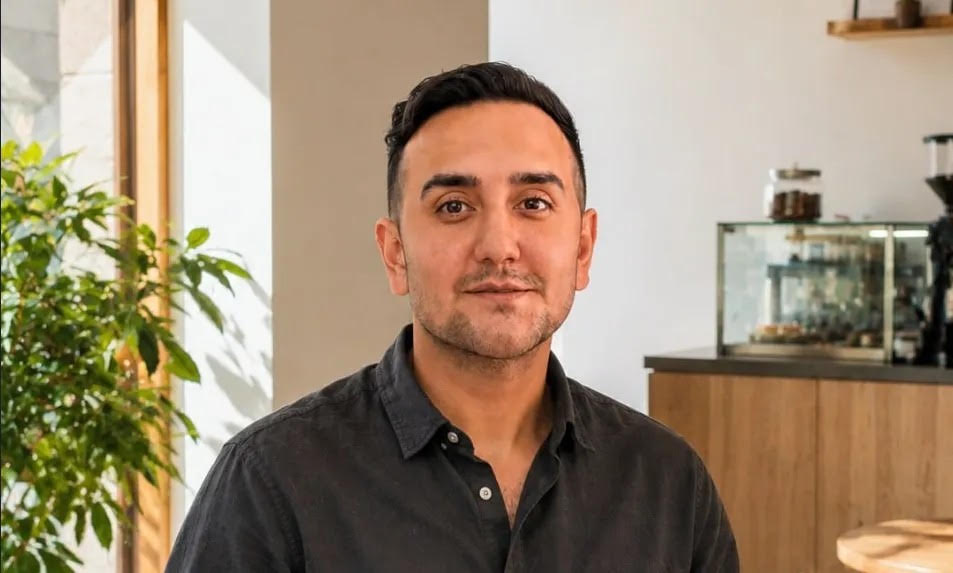
Farshid Parsa, a media and marketing professional who serves as Director of Security at the Kholaseh Agency Media and Marketing Agency and the Madeline Agency, says he has spent months fielding reports from users in Iran and abroad who are stuck in the same frustrating pattern.
“An account gets placed in a suspended state automatically,” Parsa explains. “The user is then asked to submit an email, a phone number, a selfie video, and identity documents. In most cases they do everything carefully and send valid documents and the documents get rejected without any clear reason.”
The situation, he says, becomes far more serious on the second attempt. “When the user submits the document again, in some cases the account is then fully disabled. At that point there’s little or no real opportunity to recover access or appeal. What’s most concerning is that many of these accounts have no clear or serious violation at all. They’re simply caught in an automated process that offers no way back.”
That account of opaque appeals and rejected IDs matches what has been widely reported elsewhere: appeals disappearing into automated systems, support channels that lead nowhere, and users describing the experience as shouting into a void.
A new bug this week
According to Parsa, the past few days have added a fresh problem on top of the existing one. “Since Monday morning, it looks like a new technical issue has appeared,” he says. “Even more accounts including ones with long histories, authentic information, and completely legitimate activity have suddenly entered the suspension process.”
The stakes, he stresses, go well beyond losing a personal page. “In media and marketing, an Instagram account can represent years of content creation, audience building, trust, and financial investment. For many people it’s their professional identity, their income, and their relationship with customers. When that’s removed from public view without a transparent explanation possibly because of a system error the consequences can be severe.”
Those consequences are not abstract. Throughout the suspension wave, businesses reported lost bookings, wiped photo archives, and marketing funnels that stopped working overnight when a single account went down.
What users can actually do
While there is no guaranteed fix once an account is suspended, specialists advise users to slow down and avoid rushing the verification steps a hasty or repeated document submission can sometimes make the situation worse rather than better. Parsa’s team has been publishing a step-by-step guide to appealing an Instagram suspension and preparing the right documentation so that affected users don’t make avoidable mistakes while trying to recover their accounts.
The core advice is consistent: submit clean, valid documents once; read each prompt carefully before responding; keep records of every submission; and be cautious of third parties promising instant “account recovery” for a fee, which are frequently scams.
The bigger ask: transparency and a real appeal
For Parsa, the individual fixes matter, but they don’t address the root problem. He argues that Instagram needs far more transparency in its automated suspension and identity-verification systems.
Users, he says, should be clearly told why their account was suspended, exactly what documentation is required to resolve it, and why a valid document was rejected. “Resubmitting a document shouldn’t automatically lead to a permanent ban,” he adds. “People deserve a genuine opportunity for human review and a real chance to appeal.”
His goal, he insists, isn’t to spread alarm or unverified claims, but to speak for the users who have spent years building a presence on the platform and are now losing it to what looks like a system error.
“Instagram can only stay a trusted platform for users and businesses,” Parsa says, “if account security, the accuracy of its review systems, and the user’s right to appeal are all treated as serious priorities.”
Meta has not publicly resolved the underlying issues that first triggered the wave, and for the creators and small businesses still locked out, the wait continues.