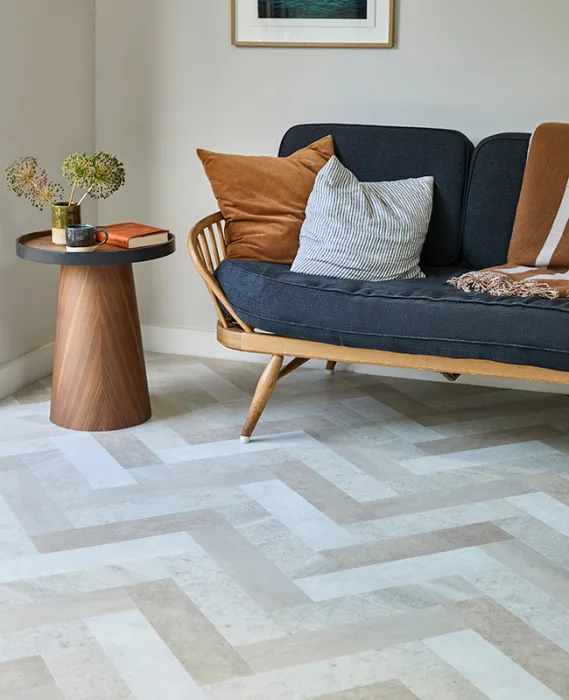
Creating a home that looks stylish is one thing, but creating an interior that still feels attractive, practical and relevant years from now is something altogether different.
For homeowners, timeless interior design can be a smart approach. Rather than jumping on every short-lived trend, it focuses on quality, versatility and design choices that can adapt as your tastes change.
From flooring and wall colours to furniture and lighting, a timeless home does not have to be boring or traditional. The key is to find balance. Balance between your personality and long-lasting design.
What is timeless interior design?
Timeless interior design is based on elements that remain appealing long after a trend or season has passed.
It often combines classic materials, balanced proportions, neutral foundations and carefully chosen decorative details. This creates a backdrop that can evolve without requiring a complete redesign every few years.
A timeless interior should also reflect how you live. Practicality matters just as much as appearance, particularly in a busy home.
For a timeless interior, defining characteristics may include:
- A balanced, uncluttered layout
- Quality materials and finishes
- Neutral or adaptable colours
- Classic patterns and shapes
- Natural textures
- Functional furniture
- Personal touches that can be changed over time
Too much coordination makes the style look forced. The result of your efforts should look considered, not extreme.
Start with a neutral foundation
One of the easiest ways to create a long-lasting interior is to establish a versatile base.
This doesn’t mean you have to stick with white, grey or beige in every room. Soft greens, warm neutrals, muted blues and earthy tones all provide a timeless foundation while also adding a touch of character.
Choose colours that are easy to live with
When selecting permanent finishes, think about how you might feel about them in five or even ten years.
Strong colours work well but using them on easily replaceable features gives you greater flexibility. Walls can be repainted, curtains can be changed, and accessories can be updated without a complete overhaul of the room design being necessary.
For larger and more expensive elements, consider shades that complement a range of decorating styles.
A useful approach is to use:
- Neutral colours for walls and larger surfaces
- Accent colours for furniture and accessories
- Natural tones to add warmth
- Textures to create visual interest
This gives you plenty of scope to update the look of a room without replacing its fundamental features.
Invest in flooring that lasts
Flooring is perhaps one of the most influential decisions in an interior because it covers a large area and is expected to withstand everyday use.
The right floor needs to complement the building’s architecture while also meeting the standard requirements for durability, ease of maintenance, and comfort.
Wood-inspired flooring is a great option as it can work with traditional, contemporary and transitional interiors. Parquet patterns, for example, have a long history in interior design. Their geometric layouts can add character without relying on a passing trend.
For homeowners who like the appearance of traditional timber, but want a practical modern flooring option, parquet LVT can be worth considering. LVT, or Luxury Vinyl Tile, to give it its proper name, can recreate the appearance of wood while offering durability and easy cleaning. This lends it to multiple rooms of the house, and as it can be provided with wood or stone effect, you can create various styles wherever you want.
To find which flooring meets your needs most, consider the following:
| Factor | Why it matters |
| Appearance | Should complement your furniture and overall interior style. |
| Durability | Important for hallways, kitchens and family spaces. |
| Maintenance | Consider how much time you want to spend caring for the floor. |
| Versatility | A flexible design is less likely to date quickly. |
| Lifestyle | Pets, children and foot traffic can influence your choice. |
A timeless floor can become a foundation for future decorating changes, rather than something that dictates the entire room.
Choose furniture with classic shapes
Furniture is another area where it can be tempting to follow trends. While statement pieces can bring personality to a room, choosing furniture with simple, well-proportioned forms can make it easier to update the room later.
Look for pieces that prioritise:
- Comfort
- Functionality
- Quality construction
- Adaptable colours
- Classic silhouettes
A well-made sofa, for example, can remain in your home for many years and complement a host of other changes you may make. Smaller items that may lend themselves to current trends, such as cushions, art or lamps, can be added without taking away from the general room aesthetic.
Avoid overmatching
A common misconception is that a timeless room needs every element to match. In reality, an interior can feel more sophisticated when different materials, finishes and styles are combined thoughtfully.
For example, a traditional wooden table can work alongside contemporary lighting. A modern sofa can sit comfortably on a classic patterned floor.
Use natural materials and textures
Natural materials tend to age well because they add warmth and depth without relying on a particular trend.
Think about how you could use:
- Stone
- Timber
- Wool
- Linen
- Leather
- Ceramic
Texture is useful in neutral rooms. A combination of soft furnishings, natural flooring, woven accessories and tactile fabrics can prevent a limited colour scheme from feeling flat.
Let your personality lead
No matter what, the home is yours and it should reflect you. It needs to feel like your home and not a cobbled-together collection that matches a checklist or cliché look.
Incorporate objects and details that have relevance to you. This could be books, artwork or furniture with a personal history.
It’s these little touches that often move your room from being general to unique.
Keep trend-led elements easy to change
It’s completely fine to enjoy current design trends and embrace them. The key is timing.
Trend-led choices will work best when they are inexpensive or easy to replace. This allows you to refresh the home without making major financial commitments or significant changes to the property.
For example, if a new colour is being defined as the new “must-have”, you can incorporate it easily through any of the following:
- Cushions
- Throws
- Vases
- Lampshades
- Smaller furniture items
When the trend is over, or your tastes change, these items are much easier to swap out than an entire carpet, a sofa or wallpaper.
Don’t forget the lighting
Lighting can have a tremendous influence on how a room looks and feels.
Timeless lighting should provide several layers rather than relying on a single central light.
Consider combining:
- Ambient lighting for general illumination
- Task lighting for activities such as reading or cooking
- Accent lighting to highlight artwork, architectural details or decorative features
Warm, adjustable lighting can also make neutral materials and natural textures feel more inviting.
Prioritise function as well as appearance
The most successful interiors are designed around the people who use them. A high-spec kitchen is no use to someone who hardly cooks at home, and a kids’ bedroom without suitable storage lends itself to accidents and general untidiness. So, before choosing anything, ask yourself:
- How much daily traffic will the room get?
- Do I need additional storage?
- Is the furniture comfortable and practical?
- How easy will the surfaces be to clean?
- Will the layout still work if my needs change?
A beautiful interior that is difficult to live in soon becomes frustrating. A timeless design is all about longevity, and that includes practical longevity as well as visual appeal.
How to keep your interior looking fresh over time
You do not need to redesign your entire home whenever you want a change.
Small updates can make a significant difference while preserving the elements that give your interior its timeless character.
Try:
- Changing soft furnishings seasonally
- Repainting walls when your tastes change
- Rearranging furniture
- Updating artwork
- Introducing new plants
- Changing lamps and decorative accessories
- Adding colour through smaller pieces
This approach can help you to keep your home feeling current without creating unnecessary expense or waste.