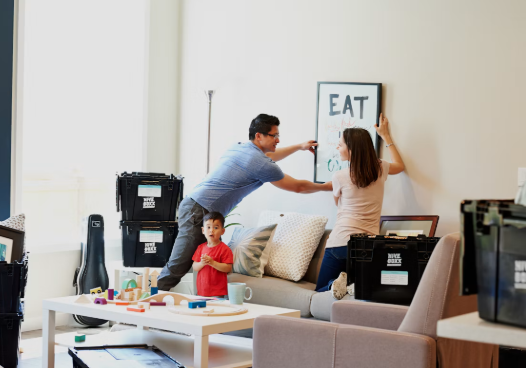
A house move can disrupt the small routines that help children feel settled and secure. Meals may happen at unusual times, favourite belongings disappear into boxes and parents are often busier than usual. Keeping a few predictable family routines in place gives everyone some structure while the rest of the home is changing.
Focus on the moments your family relies on most, then plan the packing and moving schedule around them.
Stick to Bedtime Rituals
Protect bedtime as much as your timetable allows. Follow the usual order, such as bath, pyjamas, story and lights out, even if some of it happens in a partly packed bedroom. Familiar steps signal that the day is ending and can make an unfamiliar situation feel more manageable.
The NHS recommends a consistent bedtime routine, usually lasting around 30 minutes. Keep favourite books, comforters and night lights out of the packing boxes until moving day. If your child uses a white-noise machine, charge it in advance and place it in your overnight bag. On the first evening in the new home, prioritise setting up beds before tackling less urgent boxes.
Pack an Essentials Box First
Prepare one clearly labelled essentials box before packing the rest of the house. It should contain the things your family will need during the final evening, the move itself and the first morning in the new property. Include toiletries, medicines, phone chargers, a change of clothes, basic crockery and breakfast supplies.
Give each child a small bag for a favourite toy, book and comfort item. Keeping these belongings close prevents an upsetting search through sealed cartons. If packing time is limited, a removals company that offers professional packing services can handle larger household items while you concentrate on personal essentials. Transport important documents and irreplaceable items yourself, and use a bright box or distinctive label so the family kit can’t be mistaken for ordinary packing.
Outsource Heavy Logistics to Experts
Decide early which moving tasks you can realistically manage. Carrying furniture, dismantling large pieces and coordinating transport can consume hours that parents may need for school runs, meals and childcare. Professional help also reduces the chance of delays caused by an unsuitable vehicle or poor loading plan.
Ask for a written quote that explains packing, transport, storage and any access charges. Tell the provider about narrow staircases, parking limits or lift restrictions before moving day. Confirm who will dismantle and rebuild beds, since having children’s rooms functional that evening can protect the normal bedtime schedule. Keep contact details, arrival times and the new address together in a paper folder in case your phone runs low on power.
Create Familiarity in the New Space
Set up children’s bedrooms with familiar objects before concentrating on decorative details elsewhere. Use their usual bedding, place favourite books within reach and position the night light where they expect to find it. Even if the furniture arrangement changes, these recognisable details provide continuity.
Invite children to make one or two simple choices, such as where a toy basket should go or which picture to unpack first. Too many decisions can feel overwhelming during an already busy day. Continue familiar mealtimes where possible and serve an easy family favourite on the first evening. A picnic on the floor using the usual plates can still feel reassuring. Leave major changes, such as introducing a new bed or changing bedroom rules, until the household has settled.
Your first night doesn’t need a fully organised kitchen or perfectly arranged sitting room. Aim for made beds, accessible toothbrushes and one familiar bedtime story. Those ordinary details will help the new property begin to feel like home.