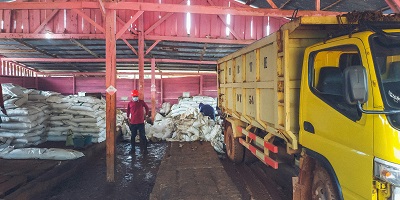
Global supply chains are intricate networks that play a crucial role in the modern economy, facilitating the flow of goods and services across international borders. At their core, these supply chains consist of various components including manufacturers, suppliers, distributors, and consumers, all interconnected to fulfill consumer demands efficiently. The importance of global supply chains has never been more evident, particularly in today’s interconnected world where a seamless exchange of products is essential for business operations. Supply chains operate on a global scale, encompassing various logistical processes that manage the production, shipment, and distribution of goods. Each link in the supply chain contributes to the overall efficiency and cost-effectiveness of bringing products to market. For example, components may be sourced from different countries where production costs are lower, while final products are manufactured and assembled in locations closer to the target consumer base. This strategic selection of locations reflects the goal of minimizing expenses while maximizing accessibility and responsiveness to market needs.
Key terms such as sourcing, logistics, and inventory management are foundational for understanding global supply chains. Sourcing refers to identifying and obtaining the materials or components necessary for production, while logistics involves the transportation and storage of these goods throughout the supply chain. Inventory management is the process of overseeing the flow and storage of products to ensure that supply meets demand. Together, these elements underscore the complexity inherent in managing global supply chains, highlighting the need for efficient coordination among various stakeholders to mitigate delays and enhance productivity.
In summary, global supply chains are vital systems that not only connect producers and consumers across the world but also play a critical role in shaping the dynamics of international trade. Understanding their operation is fundamental in navigating the complexities of modern economies, as businesses strive to optimize their performance within an increasingly competitive landscape.
Key Components of Supply Chains
A global supply chain comprises various interconnected elements that collectively ensure the efficient production and distribution of goods. Understanding these key components is essential for grasping how supply chains function in today’s global economy. The primary components include suppliers, manufacturers, distributors, and retailers, each playing a crucial role in the overall process.
Suppliers are the initial link in the supply chain, providing raw materials needed for production. They source inputs necessary for manufacturers to create finished products. The quality and reliability of suppliers directly affect production timelines and the final quality of goods. Following suppliers in the chain are manufacturers, who transform these raw materials into finished products. They manage operations that include assembly lines, quality control, and ensuring that production schedules are met. The relationship between suppliers and manufacturers is vital, as efficient communication and coordination can streamline operations.
Once products are manufactured, they are handed over to distributors, who play a critical role in the logistics of transporting goods to retailers or directly to consumers. Distributors manage the storage, inventory, and logistical challenges associated with moving products across regions. They ensure that the right quantity of goods arrives at the appropriate location in a timely manner. Lastly, retailers serve as the final link in the supply chain, presenting products to consumers. They can be physical stores or online platforms, and they work to meet the demand generated in the market.
Transport and logistics are integral to supply chains, facilitating movement among all participant components. Efficient logistics strategies can reduce costs and improve delivery times, enhancing the overall effectiveness of the supply chain. Consequently, all elements, from suppliers to retailers, must work cohesively, as disruptions in one area can impact the entire network.
Common Supply Chain Disruptions
Supply chains are susceptible to various disruptions that can significantly impact their efficiency and effectiveness. One of the most notable causes of supply chain interruptions is natural disasters. Hurricanes, earthquakes, and floods can devastate infrastructure and production capabilities, leading to delays and increased costs. For instance, Hurricane Maria in 2017 severely affected Puerto Rico’s electrical components manufacturing, causing widespread supply chain disruptions for companies that relied on these parts.
Another critical factor is political unrest, which can manifest in trade wars, sanctions, or civil conflicts. Such geopolitical tensions can lead to unpredictable changes in the availability of goods and raw materials. The ongoing trade conflicts between major economies, particularly between the United States and China, illustrate how tariffs and trade barriers can alter traditional supply chains, resulting in higher prices and reduced product availability.
Pandemics also represent a profound disruption to global supply chains. The COVID-19 pandemic highlighted vulnerabilities within interconnected supply networks, disrupting logistics and halting production. For example, the initial outbreak led to factory shutdowns in China, which in turn affected global markets dependent on Chinese manufacturing, resulting in shortages of critical supplies such as personal protective equipment (PPE).
Additionally, economic fluctuations can cause unexpected changes in demand and supply. Recessions may lead to decreased consumer spending, whereas a booming economy can overstress existing supply chains. The semiconductor shortage during the early stages of the COVID-19 recovery exemplifies how a surge in demand alongside supply chain constraints can create market imbalances, affecting industries from automotive to electronics.
Understanding these various factors is essential for businesses to develop robust strategies that mitigate risks and adapt to unforeseen circumstances in their supply chain operations.
The Impact of COVID-19 on Supply Chains
The COVID-19 pandemic has profoundly disrupted global supply chains, presenting challenges that many industries were unprepared for. Initially, widespread lockdowns imposed by governments resulted in the temporary closure of manufacturing facilities, disrupting the production of goods across various sectors. For instance, industries heavily reliant on overseas manufacturing faced significant backlogs as ports were shut down or operated at reduced capacity, leading to increased delivery times and shortages.
The labor shortages exacerbated by the pandemic also played a crucial role. Many workers were either unable or unwilling to return to their jobs due to health concerns or family obligations. This created a bottleneck in logistics operations, further delaying the movement of goods from manufacturers to consumers. Key sectors, such as electronics and automotive, reported delays due to the unavailability of critical components and raw materials. As an example, a recent interview with a logistics manager highlighted how the automotive industry struggled to secure semiconductor chips, leading to production halts and extended delivery timelines for vehicles.
Moreover, shifts in consumer behavior due to the pandemic influenced demand patterns. With many consumers pivoting to online shopping, some e-commerce platforms experienced unprecedented demand, overwhelming supply chains that were not designed to handle such spikes. This shift forced companies to adapt quickly, re-evaluating inventory strategies and implementing new technologies to streamline warehousing and order fulfillment processes. The financial strain of maintaining these adjustments while managing inventory shortages has been challenging for many organizations.
In conclusion, the multiple facets of the pandemic, including lockdowns, labor shortages, and shifts in consumer habits, have created ripple effects throughout global supply chains, highlighting the interconnectedness and vulnerability of these systems. Industry leaders and experts continue to analyze these challenges to better prepare for future disruptions.
Technological Innovations in Supply Chain Management
In recent years, technological advancements have significantly transformed supply chain management, enabling companies to respond more effectively to market demands and challenges. One of the most impactful innovations is the integration of artificial intelligence (AI)Unilever has leveraged AI to streamline its production processes, clearly demonstrating how analytics can minimize waste and enhance operational efficiency.
Another critical advancement is the rise of automation in supply chain operations. Automated systems, such as robotic process automation (RPA), facilitate routine tasks, including order processing and inventory management. This not only leads to reduced human error but also enhances overall productivity. Amazon, for example, has successfully implemented automation in its warehouses, utilizing robotics to manage inventory and fulfill orders swiftly, significantly reducing delivery times.
Furthermore, the implementation of blockchain technology is reshaping supply chain transparency and security. Blockchain provides a decentralized ledger that securely records transactions across multiple stakeholders, ensuring accountability and traceability. Companies have recognized the importance of transparency in building trust with consumers. A notable case is Walmart, which has integrated blockchain to trace the provenance of food products. This technology allows them to reduce the risk of food safety issues and enhances consumer confidence in the brand.
In summary, the incorporation of technologies such as AI, automation, and blockchain is revolutionizing supply chain management. These innovations not only improve efficiency and transparency but also mitigate risks associated with traditional supply chain practices. By embracing these advancements, companies can better adapt to changing market dynamics and enhance their competitive edge.
Strategies for Mitigating Supply Chain Risks
To effectively mitigate supply chain risks, businesses must adopt a multifaceted approach that encompasses several key strategies. One of the primary strategies involves diversifying suppliers. Relying on a single supplier can expose a company to significant risks, especially in times of global disruptions. By cultivating relationships with multiple suppliers for the same materials or products, businesses can create a buffer against supply shortages and fluctuations in pricing. This diversity ensures that if one supplier encounters problems, alternatives are readily available to sustain operations.
Another essential strategy is building redundancy into the supply chain. This may involve maintaining extra inventory or establishing secondary logistics routes. By having backups in place, businesses can maintain continuity even during unexpected events, such as natural disasters or political unrest. Redundancy not only provides assurance in terms of supply availability but also gives companies the flexibility to respond to sudden changes in demand.
Enhancing communication among supply chain partners is also paramount. Establishing clear lines of communication can help all stakeholders stay informed about potential disruptions and collaboratively develop solutions. Regular meetings, updates, and the use of technological tools such as supply chain management software can facilitate an open exchange of information. This cohesion ensures that all parties involved can react promptly to challenges and adjust their strategies accordingly.
Furthermore, businesses should focus on developing a responsive and adaptable supply chain. This can be achieved by investing in technology that enables real-time tracking and analysis of supply chain data. An agile supply chain can quickly pivot in response to changing market conditions or consumer demands, thereby minimizing the impact of potential risks. In conclusion, by diversifying suppliers, building redundancy, improving communication, and maintaining responsiveness, businesses can significantly diminish the risks associated with their supply chains.
Environmental and Social Impacts of Supply Chains
The global supply chain is intricately linked to various environmental and social issues that demand careful consideration. One of the primary concerns is the carbon footprint associated with transporting goods across vast distances. This transport not only contributes significantly to greenhouse gas emissions but also exacerbates climate change. Companies are increasingly being pressured to assess and mitigate these emissions in their supply chain operations, adopting strategies such as carbon offsetting and transitioning to greener transportation methods.
Additionally, waste management practices within supply chains present a significant challenge. Inefficient processes often lead to substantial waste generation, particularly in industries like fashion and electronics. Companies are beginning to recognize the importance of circular economy models, which aim to reduce waste by reusing and recycling materials. By implementing such practices, businesses can diminish their environmental impact, promote sustainability, and improve resource efficiency.
Labor practices are another crucial aspect of this discussion. Global supply chains often rely on workforce models in developing countries where labor rights may not be rigorously enforced. Ethical sourcing has become essential, with various organizations advocating for fair wages and safe working conditions. Consumers are increasingly drawn to companies that demonstrate a commitment to social responsibility in their supply chain practices. As a result, firms are adopting comprehensive guidelines that prioritize ethical sourcing to improve their labor practices.
Numerous companies are leading the charge in sustainability and corporate social responsibility. For example, brands like Patagonia have made significant strides in promoting environmentally conscious practices and ethical labor. Such initiatives not only benefit the environment and workforce but also strengthen brand loyalty and deepen consumer trust. Overall, addressing the environmental and social impacts of global supply chains is crucial for creating sustainable patterns that benefit both businesses and society at large.
The Future of Global Supply Chains
The landscape of global supply chains is undergoing significant transformation, as various factors influence their future trajectory. One of the most pressing concerns is climate change, which is expected to impact supply chain operations globally. Rising sea levels, extreme weather events, and shifting agricultural zones can disrupt production and distribution processes, forcing companies to innovate and adapt their strategies to remain resilient.
Geopolitical shifts are another variable that will shape the future of global supply chains. Tensions between major economies can lead to trade wars, tariffs, and restrictions that influence the way goods are sourced and transported. Industry experts predict that companies may increasingly turn to regionalization of their supply chains as a response to these geopolitical risks. This strategy offers the potential for reduced transportation costs and enhanced reliability, as firms seek to minimize dependencies on distant suppliers.
Furthermore, evolving consumer preferences are redefining supply chain dynamics. Today’s consumers increasingly demand sustainability, transparency, and ethical sourcing practices. As a result, there is a growing emphasis on circular supply chains, where the focus is shifting toward reusing materials and minimizing waste. Analysts suggest that companies that align their strategies with these consumer demands will not only gain a competitive edge but also contribute to more sustainable business practices.
Insights from industry thought leaders indicate that adopting advanced technologies, such as artificial intelligence and blockchain, will play a crucial role in enhancing supply chain efficiency and visibility. These innovations can provide real-time data analytics and facilitate better decision-making, thereby positioning companies to navigate forthcoming challenges effectively.
Conclusion and Key Takeaways
Throughout this blog post, we have delved into the complexities of global supply chain problems, exploring their implications for consumers, businesses, and policymakers alike. Understanding the intricacies of supply chains is increasingly important as these systems play a crucial role in the functioning of the global economy. The challenges faced—ranging from disruptions caused by natural disasters and geopolitical tensions to shifts in consumer demand—highlight the need for adaptability and resilience within supply chain management.
One of the key takeaways is the realization that supply chains are often interdependent, with a single disruption potentially triggering a ripple effect across multiple sectors. As consumers, it is essential to recognize how these dynamics impact product availability and pricing. The current global landscape emphasizes the importance of tracing product origins and understanding the processes involved in their delivery.
Moreover, for businesses, lessons from recent challenges indicate the value of investing in technology and data analytics to enhance visibility and forecasting within supply chains. This proactive approach can significantly mitigate risks and enhance efficiency. Policymakers also play a crucial role by creating an environment conducive to strengthening supply chains through infrastructure investments and regulatory support.
Ultimately, a comprehensive understanding of global supply chain problems equips individuals and organizations with the knowledge to navigate the complexities inherent in today’s interconnected economy. We encourage readers to reflect on the impact of supply chains in their daily lives and to consider how collaborative efforts can foster more resilient supply networks moving forward.