The garage is often the hardest-working room in the house, serving as a sanctuary for DIY projects, a storage hub for seasonal gear, and a secure home for your vehicles. However, this multifunctional nature also makes it a primary site for household accidents if safety isn’t prioritized. From hidden fire hazards to heavy machinery and chemical storage, the risks are diverse and significant. By implementing a few fundamental safety protocols, you can transform this potentially hazardous zone into a secure and efficient extension of your living space.
1. Eliminate Fire Hazards and Electrical Overload
Fire prevention is the most critical aspect of garage safety. Garages frequently house flammable substances such as gasoline, oil-based paints, propane tanks, and cleaning solvents. These items should always be stored in their original, tightly sealed containers and kept far from heat sources like water heaters or furnaces. Never store propane tanks indoors; keep them in a well-ventilated outdoor area.
Beyond storage, electrical safety is paramount. Avoid the permanent use of extension cords, as they can overheat and spark fires. Regularly inspect your outlets and wiring for signs of fraying or discoloration. It is also essential to install a smoke detector and keep a multi-purpose Class ABC fire extinguisher in an easily accessible location.
2. Organize to Prevent Slips, Trips, and Falls
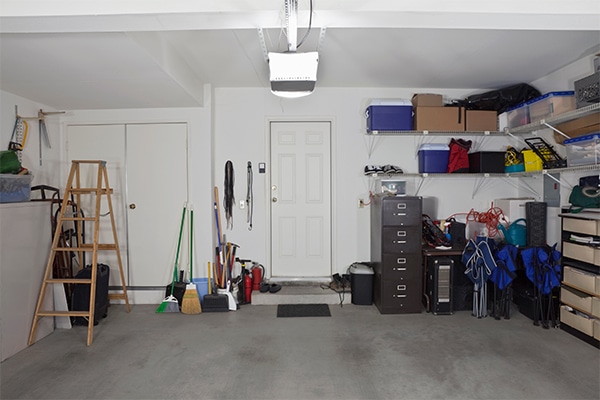
Clutter is one of the leading contributors to garage-related injuries. When tools, sports equipment, and boxes are scattered across the floor, they create a minefield of tripping hazards. Organizing your space not only improves efficiency but significantly reduces the risk of falls.
Utilizing vertical space is the most effective way to keep your walkways clear. Investing in high-quality storage solutions, such as garage cabinets in Salt Lake City, allows you to keep heavy equipment and hazardous items behind closed doors and off the ground. Ensure that heavy objects are stored on lower shelves to prevent them from falling and causing injury.
3. Secure Tools and Hazardous Materials
Power tools and sharp equipment must be handled and stored with extreme care. Always read manufacturer instructions before operation and wear appropriate personal protective equipment (PPE), such as goggles and gloves. When not in use, tools should be unplugged and stored in locked cabinets or toolboxes to prevent accidental starts, especially if children are present.
Chemical storage requires similar diligence. Hazardous materials like antifreeze, pesticides, and fertilizers should be clearly labeled and stored on high shelves or in locked units out of reach of children and pets. Proper ventilation is crucial when using these chemicals inside the garage to prevent the buildup of toxic fumes.
4. Maintain the Garage Door System
The garage door is often the largest moving object in your home and can pose a significant safety risk if poorly maintained. Regularly test the auto-reverse feature by placing an object, such as a block of wood, in the door’s path. If the door does not immediately reverse upon contact, it requires professional repair.
Inspect the springs, cables, and rollers for signs of wear. Because garage door springs are under high tension, you should never attempt to repair them yourself; always hire a qualified technician. Additionally, ensure your garage door opener uses rolling code technology to prevent unauthorized access by burglars.
5. Prioritize Lighting and Ventilation
Poor visibility is a common cause of accidents in the garage. Bright LED overhead lighting combined with task lighting over workbenches can eliminate shadows and help you spot spills or obstacles quickly. Motion-sensor lights are an excellent addition for safety when entering the garage in the dark.
Proper ventilation is equally vital for health. Never leave a vehicle running inside a closed garage, as carbon monoxide can reach lethal levels very quickly. If you use your garage as a workshop, install exhaust fans or keep doors and windows open while working with paints, solvents, or gas-powered machinery.
Final Thoughts
A safe garage is the result of consistent maintenance and mindful organization. By securing your tools, managing hazardous materials, and ensuring your garage door and electrical systems are in top condition, you create a protected environment for your family. Safety should never be an afterthought—regularly assessing your garage for potential hazards will ensure it remains a functional and secure part of your home for years to come.