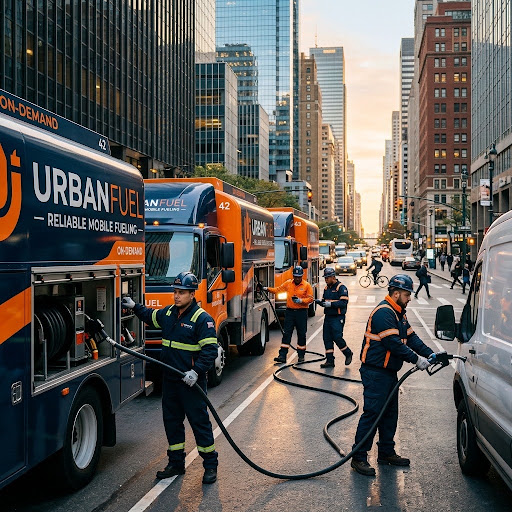
Running a fleet means constantly juggling schedules, routes, and deadlines. The last thing any operations manager wants to worry about is whether their vehicles have enough fuel to get through the day. Yet for decades, refueling has meant sending drivers off-route to gas stations, eating into productive hours and adding unnecessary miles to already tight schedules.
Fuel Logic is changing that equation entirely. By bringing fuel directly to vehicles and equipment, wherever they’re parked, Fuel Logic eliminates one of the most persistent inefficiencies in fleet management. No more detours. No more waiting in line at the pump. No more guessing when the next fuel stop needs to happen.
This shift isn’t just a convenience—it’s a smarter way to run a business. Companies across construction, transportation, logistics, and agriculture are discovering that outsourcing fuel delivery frees up time, reduces costs, and keeps operations running smoothly from sunrise to sundown.
Why Fleet Managers Are Rethinking Their Fueling Strategy
Traditional refueling comes with hidden costs that rarely show up on a spreadsheet. Every minute a driver spends detouring to a gas station is a minute they’re not delivering goods, completing routes, or operating equipment. Multiply that across a fleet of ten, fifty, or a hundred vehicles, and the lost productivity adds up fast.
There’s also the issue of fuel theft and inconsistent tracking. When drivers fuel up independently, it becomes harder to monitor exactly how much fuel is being used, when, and where. This lack of visibility can lead to discrepancies that are difficult to catch until they’ve already cost the business money.
Fuel Logic solves these problems by centralizing the fueling process. Instead of dozens of individual stops, fuel delivery happens on a predictable schedule, at a location that works for the business. This creates a level of consistency and accountability that traditional refueling simply can’t match.
How On-Demand Fuel Delivery Actually Works
The process is refreshingly simple. Businesses schedule fuel deliveries based on their operational needs, whether that’s a one-time drop-off for a construction site or a recurring delivery for a long-haul trucking fleet. Fuel Logic’s team arrives with the right type and quantity of fuel, delivers it directly to the vehicles or storage tanks, and handles the entire transaction with detailed reporting.
This model works particularly well for businesses with irregular hours or remote job sites. Construction crews working outside city limits, agricultural operations spread across large plots of land, and transportation companies running overnight routes all benefit from having fuel brought to them rather than having to plan around a gas station’s location and hours.
Detailed record-keeping is another advantage that’s easy to overlook until you need it. Every delivery comes with documentation covering volume, timing, and cost, giving fleet managers the data they need for accurate budgeting and fuel expense tracking. That kind of transparency makes it easier to spot trends, control spending, and plan ahead.
The Real Cost Savings Behind Delivered Fuel
It might seem counterintuitive that paying for delivery could actually save money, but the math holds up. Consider the labor cost of a driver spending 20-30 minutes per fuel stop, several times a week. Over a year, that’s dozens of hours per vehicle spent on a task that generates zero revenue.
There’s also the fuel efficiency angle. Vehicles that don’t have to drive out of their way to refuel burn less gas overall. For larger fleets, this reduction in unnecessary mileage translates directly into lower fuel consumption and reduced wear on vehicles.
Bulk purchasing power plays a role too. Because Fuel Logic manages large volumes of fuel across many clients, businesses often gain access to more competitive pricing than they’d find fueling up individually at retail stations. Combined with the labor and mileage savings, the total cost of ownership for fleet fueling often drops significantly.
Keeping Operations Moving Without Interruption
Never having to break from your daily operations to top off a tank is one of the most immediate benefits businesses notice after switching to mobile fueling. Equipment stays where it’s needed. Drivers stay focused on their routes. Job sites keep humming along without the disruption of a mid-day fuel run.
This uninterrupted workflow matters most during peak seasons, when every hour of productivity counts. A construction project racing to meet a deadline, or a delivery company managing a holiday rush, can’t afford unplanned downtime. Having fuel delivered on a set schedule, or on-demand when needed, means one less variable to manage during already demanding periods.
It also reduces the mental load on drivers and site supervisors. Instead of tracking fuel gauges and mapping out gas station stops, they can focus entirely on the job in front of them. That shift in attention, from logistics to actual work, often shows up in measurable productivity gains.
Sustainability Benefits Worth Considering
Beyond time and cost savings, there’s a growing environmental case for delivered fuel. Fewer vehicles making separate trips to gas stations means fewer total miles driven and less fuel burned on non-productive travel. For businesses tracking their carbon footprint or working toward sustainability goals, this reduction can be a meaningful contributor.
Fuel Logic also supports responsible fuel handling practices, reducing the risk of spills or contamination that can occur with less controlled fueling methods. For businesses operating in environmentally sensitive areas, or those simply committed to cleaner operations, this added layer of care makes a difference.
Choosing a Fuel Delivery Partner That Fits Your Business
Not every business has the same fueling needs, which is why flexibility matters. A trucking company running routes across state lines has different requirements than a construction firm working a single job site for six months. The right fuel delivery partner should be able to scale up or down based on demand, offer transparent pricing, and provide the reporting tools needed to keep everything accountable.
Fuel Logic works with businesses of all sizes, tailoring delivery schedules and volumes to match actual operational needs. Whether that means daily deliveries to a busy fleet yard or occasional drop-offs at a remote site, the goal remains the same: keep vehicles and equipment fueled without disrupting the work itself.
Start Fueling Smarter, Starting Today
Fleet efficiency isn’t just about the vehicles themselves. It’s about every process that supports them, including how they get fuel. Businesses that make the switch to delivered fueling consistently report saved time, reduced costs, and fewer headaches around fuel management.
If your business is still sending drivers off-route to fill up tanks, it might be time to reconsider that approach. Reach out to Fuel Logic today to learn how a customized fuel delivery plan can keep your operations running exactly where they need to be.