When your heat pump starts acting up, it rarely gives you much warning before things go from bad to worse. One day it’s blowing lukewarm air, and the next, it’s making a sound that stops you mid-conversation. Homeowners across the country rely on heat pumps to keep their spaces comfortable in both summer and winter, so when something goes wrong, the impact is immediate and hard to ignore.
The good news? Most heat pump issues show early warning signs. Catching these signs early can save you from a complete system breakdown, higher energy bills, and costly emergency repairs down the road. This post walks through the most common indicators that your heat pump needs attention, why they happen, and what steps you can take to keep your system running efficiently for years to come.
Why Heat Pump Maintenance Matters More Than You Think
Heat pumps work hard year-round, cycling between heating and cooling modes depending on the season. This constant use means components wear down faster than you might expect, especially if the system hasn’t had a professional tune-up in a while.
According to the U.S. Department of Energy, a well-maintained heat pump can operate at peak efficiency for 10 to 15 years. Neglecting routine maintenance, on the other hand, shortens that lifespan considerably and increases the likelihood of unexpected breakdowns. Regular inspections catch small issues, like a dirty filter or a minor refrigerant leak, before they turn into expensive repairs or full system replacements.
Your Heat Pump Isn’t Heating or Cooling Properly
One of the clearest signs that something’s wrong is when your heat pump simply isn’t doing its job. If you notice inconsistent temperatures throughout your home, or if the air coming from your vents feels weaker than usual, your system could be struggling with a mechanical issue.
This problem often stems from a few culprits:
- A malfunctioning compressor
- Low refrigerant levels
- A blocked or dirty air filter
- Issues with the thermostat calibration
Ignoring these symptoms usually leads to bigger, more expensive problems. A technician can diagnose the exact cause and get your system back to performing the way it should.
Strange Noises Are Coming From the Unit
Heat pumps aren’t silent, but they shouldn’t be loud or unusual either. A gentle hum during operation is normal. Grinding, rattling, squealing, or banging noises are not.
These sounds often point to loose or worn parts, such as a failing motor, a damaged fan blade, or a loose panel. Left unaddressed, these small mechanical issues can escalate into major component failures, resulting in a much larger repair bill.
Your Energy Bills Are Climbing Without Explanation
If your monthly energy bills have crept up and you haven’t changed your usage habits, your heat pump could be working overtime to compensate for an underlying issue. Reduced efficiency is one of the most common (and costly) signs of a system in decline.
A heat pump that’s losing efficiency has to run longer and harder to reach the same temperature settings, which drives up energy consumption significantly. Scheduling a professional inspection can identify what’s causing the drop in performance and help restore your system’s efficiency, often lowering your bills in the process.
Frequent Cycling or Constant Running
Does your heat pump seem to turn on and off more frequently than usual? Or does it run continuously without ever reaching the set temperature? Both scenarios indicate a problem.
Frequent cycling can be caused by a malfunctioning thermostat, an oversized or undersized unit, or restricted airflow. Continuous running, on the other hand, often points to a refrigerant leak or a failing compressor. Either way, this places excess strain on your system and increases the risk of a complete breakdown.
Ice or Frost Buildup on the Outdoor Unit
A little frost during the winter months is normal for heat pumps, thanks to their defrost cycle. However, if you notice excessive ice buildup that doesn’t melt away on its own, something’s wrong.
This issue is often related to low refrigerant levels, a faulty defrost control board, or restricted airflow from dirt and debris. Left unresolved, ice accumulation can damage internal components and reduce the system’s overall lifespan.
When to Call in the Professionals
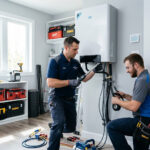
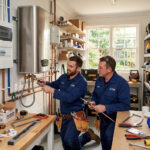
Heat Pump Repair restores comfort to your home by addressing the moment a small issue calls for expert attention rather than a temporary fix. Trying to troubleshoot heat pump issues on your own can be tempting, especially if you’re handy around the house. But heat pumps are complex systems involving electrical components, refrigerant lines, and precise calibration that require specialized training to handle safely and correctly.
Mighty Plumbing Heating Air and Electric LLC has spent years helping homeowners keep their heating and cooling systems running smoothly. Our licensed technicians are trained to diagnose issues quickly, explain what’s going on in plain language, and get your system back up and running without unnecessary delays or upsells. Whether it’s a strange noise, rising energy bills, or a complete system failure, our team approaches every job with the same level of care and attention to detail.
Keep Your Home Comfortable All Year Long
A heat pump that’s running efficiently makes a noticeable difference in your home’s comfort and your monthly energy costs. Paying attention to the warning signs outlined above, and acting on them promptly, helps extend the life of your system and prevents small issues from turning into expensive headaches.
If your heat pump has been showing any of these symptoms, don’t wait for it to get worse. Reach out to Mighty Plumbing Heating Air and Electric LLC today and let our experienced team restore your comfort with reliable, honest service you can count on.