E-commerce Growth, commonly referred to as electronic commerce, involves the buying and selling of goods and services through the internet. It has revolutionized the way consumers engage with markets and has grown exponentially since its inception in the late 20th century. The first e-commerce transactions were recorded in the 1970s, but it was not until the advent of the World Wide Web in the 1990s that online shopping gained significant traction. Today, e-commerce encompasses various forms, including online marketplaces, direct sales through websites, and mobile applications, catering to a broad spectrum of consumer needs. Traditional retail, on the other hand, refers to the brick-and-mortar businesses that have formed the backbone of consumer shopping for centuries. These establishments rely on physical storefronts to reach customers, providing them with the opportunity to interact with products before purchasing. The traditional retail model has deep historical roots, emerging in ancient marketplaces and evolving through the introduction of department stores in the 19th century and shopping malls in the 20th century. Despite the enduring appeal of physical retail, it is essential to acknowledge how technological advancements have triggered a significant transformation in this sector.
The rise of e-commerce has led to an increasingly competitive retail environment, compelling traditional retailers to adapt and innovate to maintain relevance. Understanding the development of e-commerce alongside traditional retail is crucial for stakeholders, as it highlights shifts in consumer behavior and preferences. The integration of digital technology into the retail landscape continues to reshape consumer experiences, emphasizing the importance of a dual focus on both e-commerce and traditional retail strategies to meet the demands of today’s market.
The Rapid Growth of E-Commerce
Over the past decade, e-commerce has witnessed unprecedented growth, establishing itself as a dominant force in the retail landscape. According to recent statistics, global e-commerce sales are projected to surpass $4.9 trillion in 2021, showcasing a remarkable increase from previous years. This increase can be attributed to several key factors, including technological advancements, shifting consumer behaviors, and the recent global pandemic that accelerated online shopping trends.
Technological innovations have played a significant role in propelling e-commerce forward. The proliferation of smartphones, improved internet connectivity, and enhanced online payment systems have made it easier for consumers to shop anytime, anywhere. Businesses have also adopted various tools, such as artificial intelligence and machine learning, to personalize customer experiences and streamline operations. These advancements have lowered the barriers to entry for new businesses, leading to a more competitive and diverse e-commerce environment.
Changing consumer preferences are another crucial factor driving the growth of e-commerce. Today’s consumers are increasingly values-driven, seeking convenience, transparency, and personalization in their shopping experiences. The ease of comparing prices online, coupled with the desire for a seamless shopping experience, has led many to prefer e-commerce over traditional retail channels. Moreover, social media platforms have become vital in influencing purchasing decisions, enabling businesses to reach targeted audiences effectively.
The COVID-19 pandemic profoundly impacted consumer shopping behaviors, resulting in a substantial shift toward online purchasing. Lockdowns and social distancing measures forced retailers to adapt rapidly, pushing many to enhance their online presence or transition entirely to e-commerce. This trend is not merely temporary, as surveys suggest that a significant portion of consumers plan to continue shopping online even after the pandemic has subsided. As a result, growth in the e-commerce sector is expected to persist well into the future, reshaping the conventional retail model.
How E-Commerce is Changing Consumer Behavior
The rise of e-commerce has significantly transformed consumer behavior in various ways, particularly emphasizing the preference for convenience, speed, and enhanced shopping experiences. Modern consumers are increasingly drawn to online shopping due to its accessibility and the time-saving advantages it offers compared to traditional retail. With just a few clicks, shoppers can survey a vast array of products from the comfort of their homes, allowing for quick decision-making and immediate gratification.
The ability to compare prices with ease is another critical aspect of e-commerce that has altered traditional consumer practices. Previously, shoppers had to visit multiple physical stores to find the best deals; now, they can simultaneously browse multiple online platforms within minutes. This shift not only empowers consumers to make informed purchasing decisions but also compels retailers to remain competitive by offering attractive prices and promotions. Moreover, the integration of customer reviews and ratings enhances trust in online shopping experiences, further influencing buying behavior.
Demographically, various segments of the population have adapted to this new shopping paradigm at different rates. Younger consumers, particularly Millennials and Generation Z, exhibit a pronounced preference for online shopping. Their comfort with technology and digital interfaces fuels their tendency to seek out not only products but also the convenience of home delivery and easy returns. Conversely, older generations may still have reservations regarding e-commerce, often influenced by a preference for face-to-face interactions and the tactile experience of shopping. However, as familiarity with digital channels increases, even these demographics are beginning to embrace the advantages that online shopping presents.
Factors influencing these shifts include advancements in technology, the proliferation of mobile applications, and greater access to the internet. As e-commerce evolves, it continues to play a crucial role in shaping consumer behavior, setting the stage for a future where online shopping becomes the norm rather than the exception.
Impact on Traditional Retail Models
The rise of e-commerce has significantly altered the landscape of traditional retail models. In recent years, there has been a noticeable decline in brick-and-mortar stores, as consumers increasingly opt for the convenience and accessibility offered by online shopping platforms. This shift has forced many traditional retailers to reevaluate their business strategies to remain competitive in a rapidly evolving marketplace.
Examples of retailers that have struggled to adapt to this new reality include well-known names that once dominated the industry. Companies such as Sears and Toys “R” Us have faced immense challenges in maintaining profitability amid the growing preference for digital shopping experiences. The failure to effectively embrace e-commerce strategies has resulted in store closures and, in some cases, bankruptcy, highlighting the urgency for traditional retailers to innovate.
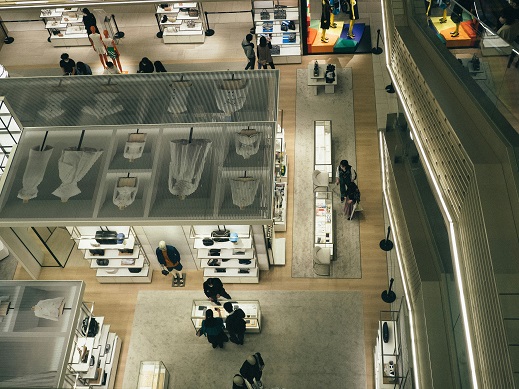
As traditional retail faces these challenges, it is becoming increasingly clear that the future lies in transforming retail spaces. Many businesses are shifting their focus toward creating experience-driven environments that engage customers in new ways. This involves rethinking store layouts, offering unique in-store experiences, and integrating technology to complement the shopping experience. By doing so, retailers can attract customers who are looking for more than just transactional opportunities; they seek memorable interactions that foster brand loyalty.
Furthermore, retailers are beginning to integrate their online and offline channels, resulting in a more seamless shopping experience. Omnichannel strategies allow customers to interact with brands through multiple touchpoints, making it easier for them to switch between e-commerce and physical stores as per their convenience. This blending of retail models fosters resilience in traditional retail, allowing it to thrive alongside the e-commerce boom.
Omni-Channel Retail Strategies
Omni-channel retailing has emerged as a critical strategy for traditional retailers striving to adapt to the rapidly evolving e-commerce landscape. This approach integrates multiple channels—be it physical stores, online platforms, or mobile applications—into a cohesive shopping experience that meets the diverse preferences of consumers. By adopting omni-channel strategies, retailers aim to provide a seamless experience that allows customers to switch effortlessly between online and offline interactions.
The importance of creating a unified shopping experience cannot be understated. As customers engage with brands through various touchpoints, consistency in messaging, service, and product availability becomes essential. Successful brands leverage advanced technologies and data analytics to personalize communications and recommendations, enhancing customer engagement and satisfaction. For instance, a customer may browse products online, receive tailored promotions via mobile notifications, and finalize their purchase in a local store. Such integration not only caters to the convenience desired by modern shoppers but also fosters loyalty.
Moreover, understanding the customer journey within an omni-channel framework allows retailers to optimize inventory management and reduce costs associated with logistics. By syncing online and in-store inventories, businesses can provide real-time product availability, ensuring that consumers are less likely to experience disappointment due to stockouts. Brands like Target and Walmart exemplify successful omni-channel strategies by offering services like buy online, pick up in store (BOPIS), which effectively enhances the shopping experience and drives foot traffic to physical locations.
In conclusion, omni-channel retailing represents a significant shift in how traditional retailers engage with consumers. By integrating digital and physical shopping experiences, they not only meet the demands of today’s customers but also build lasting relationships that drive brand loyalty and competitive advantage.
Technological Innovations in Retail
In recent years, the retail landscape has undergone profound transformations, primarily driven by technological innovations. These advancements are enabling businesses to enhance the shopping experience, streamline operations, and optimize inventory management. One of the most influential technologies is Artificial Intelligence (AI), which is increasingly being utilized for various purposes, from analyzing consumer behavior to personalizing marketing strategies. AI tools allow retailers to anticipate customer preferences, thereby crafting tailored shopping experiences that foster brand loyalty.
Another significant innovation is Augmented Reality (AR) and Virtual Reality (VR). These technologies are providing customers with immersive shopping experiences that were previously unimaginable. For instance, AR applications allow consumers to visualize products in their own environment before making a purchase, while VR offers complete virtual storefronts that consumers can explore from the comfort of their homes. Such capabilities not only enhance customer engagement but also lead to reduced return rates, as buyers can make more informed decisions.
Mobile applications are also transforming the retail domain, providing consumers with a user-friendly platform to shop anytime and anywhere. This shift toward mobile commerce has led retailers to develop apps that facilitate smooth purchasing processes, offer exclusive deals, and allow for real-time customer service. The integration of mobile technology ensures that retailers can reach their customers directly and personally.
Furthermore, personalized marketing strategies have gained traction thanks to advancements in data analytics. By leveraging customer data, retailers can create targeted marketing campaigns that resonate with specific audience segments, thus optimizing their advertising expenditures and improving conversion rates. Overall, these technological innovations are reshaping traditional retail in multiple dimensions, making the shopping experience more efficient and customer-centric.
Challenges Faced by Traditional Retailers
The rise of e-commerce has significantly altered the landscape in which traditional retailers operate. One of the most pressing challenges is the fierce competition posed by online giants like Amazon, which offer convenience, lower prices, and extensive product selections. Traditional retailers often struggle to match the scale and speed of these online platforms, leading to a gradual decline in foot traffic and sales in brick-and-mortar stores. This competition not only affects revenue but also compels traditional retailers to adapt quickly to changing consumer preferences, which can be a daunting task.
Another significant challenge faced by traditional retailers is supply chain disruptions. The pandemic has highlighted vulnerability in many supply chains, revealing the need for greater resilience and efficiency. Retailers now find themselves navigating unpredictable demand fluctuations and delays in inventory restocking, which can diminish customer satisfaction and loyalty. As e-commerce continues to grow, having a responsive and agile supply chain becomes essential to staying competitive.
Additionally, investment in technology is crucial, yet many traditional retailers are hesitant or lack the capital to invest adequately in digital solutions. Technologies such as e-commerce platforms, customer relationship management (CRM) systems, and data analytics tools are essential for enhancing operational efficiency and improving the customer experience. However, the initial costs and complexity of implementation can deter retailers from making these necessary upgrades.
To overcome these hurdles, traditional retailers can adopt a multi-channel strategy, integrating their physical stores with online platforms. Implementing click-and-collect services, enhancing in-store experiences, and utilizing data analytics to understand customer behaviors are key strategies that can help traditional retailers bridge the gap between online and offline shopping experiences. By embracing change and investing wisely, these retailers can navigate the challenges posed by the e-commerce landscape and remain viable in a rapidly changing market.
Future Trends in Retail and E-Commerce
The retail landscape is undergoing a profound transformation driven by the rise of e-commerce and changing consumer behaviors. One of the primary trends shaping this evolution is the emergence of social commerce, which integrates social media platforms with shopping experiences. Brands are recognizing the value of direct interaction with consumers through these platforms, allowing for personalized marketing and building strong community connections. This trend not only enhances engagement but also simplifies the purchase process, thus fostering a seamless transition from browsing to buying.
Equally significant is the emphasis on sustainability in retail practices. As consumers become increasingly aware of environmental issues, they prioritize brands that adopt eco-friendly approaches. Retailers are now challenged to implement sustainable sourcing, reduce waste, and promote ethical production practices. This shift not only appeals to the values of modern consumers but also positions businesses favorably in a competitive market focused on long-term environmental accountability.
Moreover, shifts in consumer priorities reflect a demand for convenience and flexibility. With the growing preference for online shopping, retailers are investing in advanced technologies such as augmented reality (AR), artificial intelligence (AI), and machine learning to enhance the shopping experience. These technologies enable retailers to personalize offerings and provide tailored recommendations, allowing consumers to shop with increased confidence. Additionally, as mobile commerce continues to grow, the integration of payment systems and user-friendly interfaces will become essential elements in capturing consumer interest.
In this rapidly evolving retail environment, businesses must adapt and innovate to thrive. Embracing trends like social commerce, sustainability, and technological advancements is critical for future success. By aligning with consumer expectations and leveraging these emerging trends, retailers can reshape their strategies, ensuring relevance in a competitive world. Ultimately, the ongoing transformation of retail and e-commerce signifies not only a shift in shopping behaviors but also a significant opportunity for brands to establish greater consumer connections.
Conclusion: Adapting to the New Retail Reality
As we have explored throughout this discussion, the rise of e-commerce is undeniably reshaping the landscape of traditional retail. With the convenience and accessibility it offers customers, e-commerce has become not just an emerging trend but a fundamental aspect of the retail industry. Traditional retailers are now faced with the challenge of adapting to this new retail reality, requiring them to reconsider their business strategies and operational models.
One of the critical takeaways is the need for innovation. Retailers must embrace technological advancements and invest in digital tools to enhance their customer experiences. This might include adopting seamless online shopping platforms, integrating omnichannel approaches, or leveraging data analytics to better understand consumer behavior. By prioritizing these innovations, traditional retailers can not only compete but also find ways to differentiate themselves in an oversaturated market.
Furthermore, collaboration with e-commerce platforms and exploring partnerships can serve as a bridge between traditional retail and online marketplaces. Such collaborations can expand reach and enhance the overall shopping experience for customers. Retailers should also remember the importance of community engagement and building strong relationships with local consumers, as these personal connections can provide an edge in maintaining customer loyalty amidst the increasing online competition.
Ultimately, adapting to the shifts in consumer preferences and shopping habits is essential for survival in the retail sector. As the lines between physical and digital shopping continue to blur, independent retailers can thrive by adopting a flexible mindset, embracing new technologies, and providing exceptional customer service. The focus should be on creating value, not just for the consumer but for the sustainability of the retail sector as a whole. The journey toward adapting to this new reality is challenging, yet it also offers vast opportunities for those willing to evolve and innovate.