A garage door rarely gets attention until something goes wrong. One morning it’s working fine, and the next, it’s stuck halfway open, grinding against the track, or refusing to budge at all. That moment of frustration is exactly why having a dependable repair team on call matters so much. Garage doors are heavy, mechanically complex, and directly tied to the safety of your home, which means quick fixes from unqualified hands can create bigger problems down the road.
This is where professional technicians make all the difference. A well-trained team doesn’t just patch up the visible issue. They inspect springs, cables, rollers, and openers to catch small problems before they become expensive ones. They understand how different door models behave, what each unusual noise usually means, and how to restore smooth operation without compromising safety.
This post looks at what a trustworthy garage door company brings to the table, the signs that indicate your door needs professional attention, and why choosing skilled technicians pays off in the long run.
Why Your Garage Door Deserves Professional Attention
Garage doors carry more daily wear than most homeowners realize. Every time the door opens and closes, springs stretch, cables pull taut, and rollers glide along tracks that slowly accumulate dust and debris. Over months and years, this constant motion takes a toll.
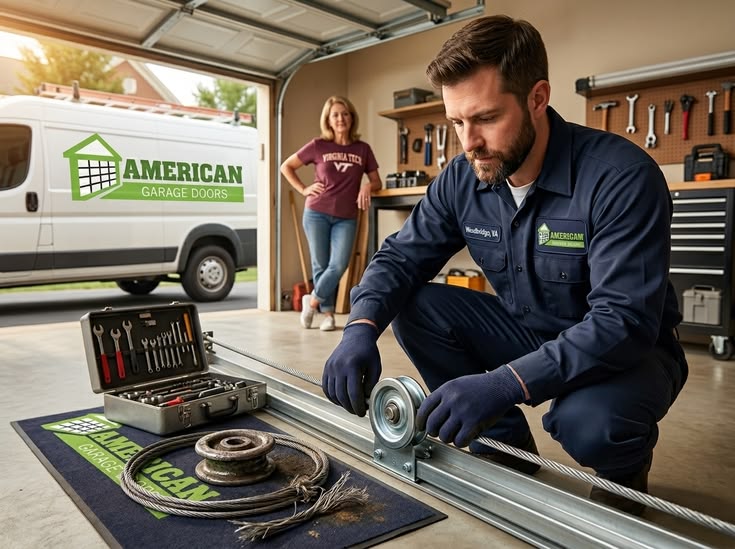
A professional inspection catches wear patterns early. Technicians check tension on torsion springs, look for fraying in lift cables, and test the balance of the door to confirm it isn’t straining the opener motor. These small checks prevent sudden failures, like a spring snapping under pressure or a cable giving way while the door is in motion.
Common Warning Signs You Shouldn’t Ignore
Several signals tell you it’s time to call in a technician rather than wait things out:
- Unusual noises: Grinding, squeaking, or banging sounds during operation often point to worn rollers, loose hardware, or misaligned tracks.
- Slow or uneven movement: A door that opens unevenly or hesitates partway through its cycle usually signals a spring or cable issue.
- Door won’t stay open: This is a classic sign of a broken or weakening torsion spring.
- Remote or keypad stops responding: Sometimes this is a simple battery fix, but it can also indicate a failing opener motor or circuit board.
- Visible damage: Dents, cracks, or rust on panels affect both appearance and structural integrity over time.
Catching these signs early keeps minor repairs from turning into full door replacements.
What Sets a Skilled Repair Team Apart
Not every repair job is created equal. Garage doors are under constant spring tension, which makes them one of the more hazardous home systems to work on without proper training. A qualified technician brings more than tools to the job; they bring an understanding of how each component interacts with the whole system.
Diagnosing the Root Cause, Not Just the Symptom
A door that won’t close fully might seem like a sensor issue at first glance, but the real cause could be a bent track or a misaligned photo-eye sensor. Skilled technicians trace problems back to their source instead of applying quick fixes that mask deeper issues. This approach saves homeowners from repeat service calls and unnecessary expenses.
Working Safely With High-Tension Components
Torsion springs store an enormous amount of energy, and mishandling them can cause serious injury. Trained professionals use specialized tools like winding bars and clamps to safely adjust or replace springs, something that’s genuinely risky to attempt without the right equipment and experience.
Matching Repairs to Your Specific Door Model
Garage doors come in dozens of configurations: steel, wood, insulated, carriage-style, and more, each with different hardware requirements. A technician familiar with multiple brands and models can source the correct replacement parts quickly, avoiding mismatched components that wear out faster or affect the door’s balance.
The Value of Routine Maintenance
Repairs matter, but prevention matters just as much. Scheduling routine maintenance extends the life of your garage door and reduces the likelihood of an inconvenient breakdown.
A typical maintenance visit usually includes:
- Lubricating moving parts like rollers, hinges, and tracks to reduce friction and noise.
- Tightening hardware that naturally loosens from daily vibration and use.
- Testing safety sensors to confirm the door reverses properly when it detects an obstruction.
- Checking spring tension and adjusting as needed to keep the door balanced.
- Inspecting the opener for signs of motor strain or electrical issues.
Homeowners who invest in regular maintenance often avoid the kind of sudden, inconvenient failures that disrupt a busy morning or leave a home vulnerable overnight.
Choosing the Right Team for the Job
With so many repair companies advertising their services, it can be difficult to know who actually delivers reliable, honest work. A few qualities consistently separate the best from the rest: clear communication about pricing before work begins, technicians who explain what they’re doing and why, and a willingness to stand behind their repairs with solid warranties.
Expert Garage Door Service combines prompt scheduling with transparent pricing and technicians who treat every home like it’s their own, giving homeowners confidence that the job will be done right the first time. From emergency spring repairs to full opener installations, having a team that communicates clearly and works efficiently makes the entire experience far less stressful.
Keeping Your Home Safe and Functional
A garage door does more than provide access to your home. It plays a role in security, insulation, and even curb appeal. Treating it as a system worth maintaining, rather than something to ignore until it breaks, pays off in fewer surprises and lower long-term costs.
If your door has been making strange noises, moving unevenly, or simply hasn’t been serviced in a while, now is a good time to schedule an inspection. Addressing small issues today prevents the kind of major repairs that cost more time, money, and peace of mind tomorrow.