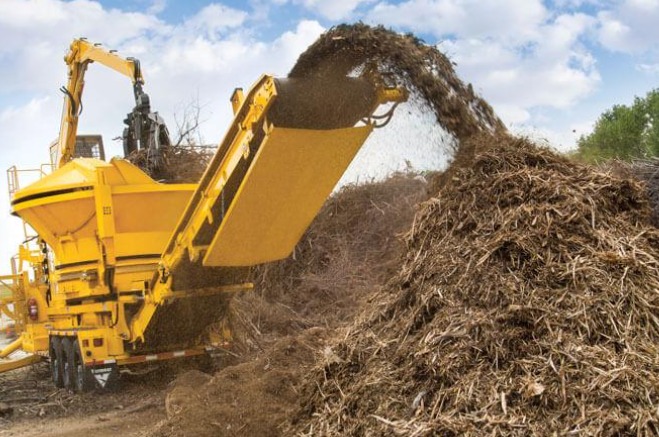
A tub grinder can handle large volumes of wood waste, branches, logs, and other bulky materials, but problems can develop as operating conditions change. You may notice lower output, inconsistent material size, unusual vibration, or frequent clogging. These issues do not always have the same cause. Changes in feed material, machine settings, and worn or damaged components can all affect how the grinder operates. Understanding the common causes can help you identify the problem before it leads to unnecessary downtime.
1. Uneven or Poor Grinding Results
One common sign of a tub grinder problem is a noticeable change in grinding results. The finished material may become larger than expected, contain more unprocessed pieces, or vary in size from one load to another. If the grinder previously produced consistent results, this change is worth investigating.
You may notice:
- Larger material: The finished material is coarser than usual.
- More unprocessed pieces: Some material passes through without being properly processed.
- Less consistent output: The particle size varies from one load to another.
Worn or damaged working components can be one possible cause. For example, worn tub grinder teeth, hammers, or anvils may not break down material as effectively as they did before. However, component wear is not always the reason. Changes in the type, size, or moisture of the feed material can also affect grinding results. Machine settings and feeding conditions should be checked as well before deciding that a component needs replacement.
2. Reduced Material Throughput
Sometimes a tub grinder continues to run normally, but it takes longer to process the same amount of material. You may notice that a load that usually takes a certain amount of time now requires longer, or that the grinder produces less finished material during the same operating period.
Several factors can contribute to lower throughput:
- Worn grinding components: Teeth, hammers, or other working parts may become less effective as they wear.
- Restricted material flow: A damaged or blocked screen can affect how material moves through the grinder.
- Changes in feed material: Wetter, denser, or larger material may take longer to process.
- Feeding conditions: Changes in how quickly or evenly material is fed into the tub can also affect output.
Lower throughput does not always mean the grinder has a serious mechanical problem. Comparing current output with normal operating conditions can help you determine whether further inspection is needed.
3. Inconsistent Output Size
If the grinder is producing material with noticeably different sizes from one load to another, the screen should be one of the first components you check. The screen helps control how much material can pass through the grinding chamber, so damaged or excessively worn sections can affect the final particle size.
You may see:
- Oversized pieces: More material passes through at a larger size than expected.
- Uneven particle size: The finished material contains a wider range of sizes than usual.
- Changes between loads: Similar feed material produces noticeably different results.
Worn teeth or hammers can also affect how effectively material is broken down before reaching the screen. At the same time, changes in the size, type, or moisture of the material being processed can produce similar results. Checking both the grinder components and the feed material can help narrow down the cause.
4. Excessive Vibration or Unusual Noise
A change in the way a tub grinder sounds or feels during operation is another sign worth checking. If the machine starts producing unusual noise or noticeably more vibration than usual, stop and inspect it rather than assuming it is part of normal operation.
Possible causes include:
- Loose or damaged components: A loose part can create noise or movement during operation.
- Worn mounting hardware: Damaged holders, bolts, pins, or other hardware may affect how components are secured.
- Damaged teeth or hammers: Cracked, chipped, or badly worn components can affect the balance of the grinding system.
- Foreign objects: Metal, rocks, or other unwanted material can cause sudden noise or vibration.
- Rotor-related problems: An imbalance or mechanical issue may also contribute to unusual movement.
Vibration or noise should not automatically be treated as a wear-part problem. Check the machine, feed material, and operating conditions together to identify the likely cause.
5. Frequent Clogging or Material Flow Problems
Frequent clogging can make a tub grinder difficult to operate, especially when material does not move through the grinding chamber as expected. Wet, stringy, or oversized feedstock is more likely to slow material flow or build up inside the machine. Feeding too much material at once can create a similar problem.
A few things are worth checking:
- Feed material: Wet or tangled material may be harder to process.
- Screen condition: A blocked or damaged screen can restrict material flow.
- Feeding rate: Overloading the grinder can cause material to build up.
- Component condition: Worn or damaged grinding components may also affect how efficiently material moves through the machine.
If clogging happens repeatedly, look at both the material being processed and the condition of the grinder instead of treating every blockage as the same problem.
6. Using the Wrong or Poorly Matched Replacement Parts
Replacing a worn component does not always solve the problem if the replacement part is not properly matched to the grinder. Two parts may look similar but have different dimensions, mounting configurations, or applications. Using the wrong tub grinder parts can lead to poor fitment, inconsistent grinding, or unnecessary downtime.
Before installing a replacement, check the details that matter for your machine:
- Machine model: Confirm that the part is designed for your grinder.
- Part number: Compare the number with the existing component when available.
- Dimensions: Check the relevant length, width, thickness, and other measurements.
- Mounting configuration: Make sure holes, pins, holders, and other connection points match.
- Component type: Confirm that the replacement is the same type of tooth, hammer, screen, or other wear component.
Taking a few minutes to verify these details can help prevent fitting problems and avoid another round of unnecessary downtime.
A Simple Way to Troubleshoot Tub Grinder Problems
When a problem appears, checking a few basic factors can help you narrow down the cause before replacing any parts. A simple inspection can include:
- Check the feed material: Look for changes in size, moisture, or material type.
- Review machine settings: Make sure operating conditions have not changed.
- Inspect key components: Check teeth, hammers, screens, and anvils for wear or damage.
- Check mounting components: Look for loose or damaged bolts, holders, pins, and other hardware.
- Compare output: Check current grinding results against normal operating conditions.
- Stop if necessary: If you notice severe vibration, unusual noise, or visible damage, stop the machine and inspect it safely before continuing.
Conclusion
Tub grinder problems often develop from more than one factor. Checking the feed material, operating conditions, and component condition together can help you find the source of a problem more accurately. Addressing small changes early can also help prevent them from turning into longer downtime or more costly repairs.