Quick Answer
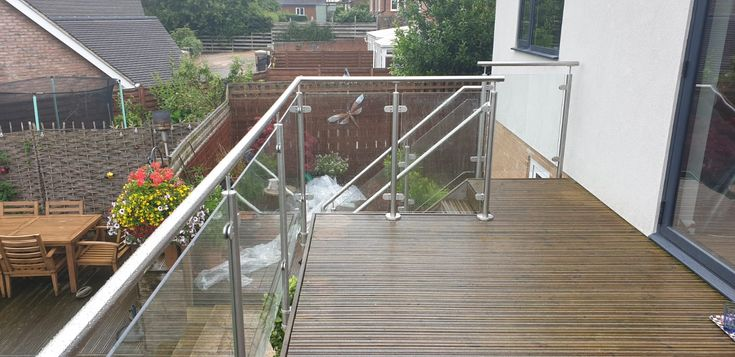
Frameless glass railings are designed to combine visibility, safety, and modern aesthetics. When the appropriate glass, supporting hardware, measurements, and installation methods are used, they can provide a practical railing solution for residential and commercial spaces.
Many common concerns about glass railings come from misconceptions about how the glass and supporting components work together. Looking at the facts can help homeowners and professionals make more informed choices.
What Are Frameless Glass Railings?
Frameless glass railings use glass panels with minimal visible framing or posts, creating a clean and open appearance. Instead of relying on large structural frames, the system uses suitable hardware to secure and support the glass panels.
The result is a railing that provides protection while keeping sightlines relatively open. This makes frameless systems especially appealing for areas where views are an important part of the design.
They can be incorporated into different Glass Railing Systems, depending on the application, layout, glass specifications, and supporting hardware. They are commonly considered for decks, balconies, stairs, terraces, and other indoor or outdoor spaces.
Myth #1: Frameless Glass Railings Are Not Safe
One of the most common concerns is that frameless glass railings are too fragile to provide reliable protection.
Fact: Properly specified glass can provide a strong and practical railing solution.
Tempered Glass Railings are manufactured through a heat-treatment process that increases their strength compared with ordinary annealed glass. When used in an appropriate railing system, the glass works together with the supporting hardware to create a secure barrier.
Safety also depends on factors beyond the glass itself. Proper measurements, suitable hardware, secure anchoring, structural support, and installation all play important roles in Glass Railing Safety.
For this reason, choosing the right system and following applicable installation requirements are essential.
Myth #2: Glass Railings Break Easily
The transparent appearance of glass can make it look delicate, but appearance does not tell the full story.
Fact: Railing glass is designed for demanding applications.
Appropriately specified tempered glass can withstand everyday use and normal environmental exposure. It is designed for applications where strength and safety are important.
That does not mean glass is impossible to damage. Like any building material, it must be selected and installed correctly. The glass thickness, panel dimensions, support method, and surrounding structure should all be considered when planning a railing.
The key point is that a properly designed glass railing should not be judged by the same assumptions as ordinary glass used for windows, tables, or decorative items.
Myth #3: Frameless Glass Railings Require Constant Cleaning
Another common misconception is that glass railings are difficult to maintain because fingerprints, dust, water spots, and outdoor debris are highly visible.
Fact: Routine cleaning is generally straightforward.
Glass can show dirt more clearly than some opaque railing materials, but maintaining it does not necessarily require complicated procedures. Regular cleaning with suitable mild cleaning products and water can help keep the panels clear.
Outdoor installations may require more frequent cleaning depending on weather, surrounding landscaping, exposure, and general use. It is also useful to periodically inspect the visible hardware and connections as part of routine maintenance.
With simple upkeep, the transparent appearance of a glass railing can remain a strong design feature over time.
Planning a glass railing project? Explore RF Transparent’s glass railing systems, tempered glass panels, and hardware for decks, balconies, staircases, and outdoor spaces.
Myth #4: Frameless Glass Railings Are Only for Modern Homes
The minimalist appearance of glass often makes people associate it exclusively with contemporary architecture.
Fact: Glass can complement a wide range of architectural styles.
While Modern Glass Railings work naturally with contemporary homes, glass can also complement traditional, transitional, cottage, and other residential styles.
The surrounding materials can make a major difference. Glass can be paired with wood decking, stone, brick, composite materials, landscaping, and different architectural finishes.
Because the panels are visually light, they can provide a clean boundary without overpowering the existing design. This flexibility allows homeowners to use glass without completely changing the character of their property.
Myth #5: Glass Railings Are Only Suitable for Decks
Decks are one of the most familiar applications for glass railing, but they are far from the only option.
Fact: Glass railings can work across multiple spaces.
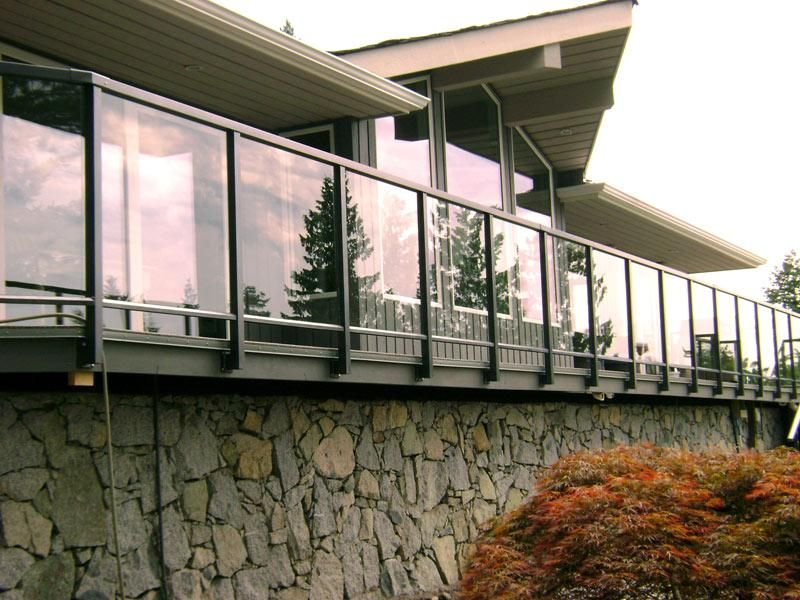
Glass Deck Railings are popular because they can preserve views while providing a clear boundary around an elevated outdoor area. However, similar systems can also be considered for:
- Balconies
- Exterior and interior stairs
- Patios
- Terraces
- Pool areas
- Porches
- Other elevated spaces
A Glass Railing for Balcony applications can be particularly useful when homeowners want to maintain an open visual connection with the surrounding landscape.
The appropriate design depends on the space, structural requirements, local regulations, and the desired appearance.
Myth #6: Frameless Glass Railings Are Difficult to Install
Because glass panels need accurate positioning and secure support, some people assume that installation is unnecessarily complicated.
Fact: Professional planning can make the installation process much more manageable.
Good Glass Railing Installation starts before the panels arrive. Measurements, layout, mounting locations, structural conditions, glass specifications, and hardware requirements all need to be considered.
Proper alignment and secure anchoring are particularly important because the railing system needs to perform as intended after installation.
This is why working with experienced installers or following the appropriate installation instructions can make a significant difference. The goal is not simply to place glass panels in position but to create a complete system where the glass, hardware, and supporting structure work together.
Myth #7: Frameless Means There Is No Supporting Hardware
The word “frameless” can sometimes create the impression that the glass is completely unsupported.
Fact: Frameless does not mean hardware-free.
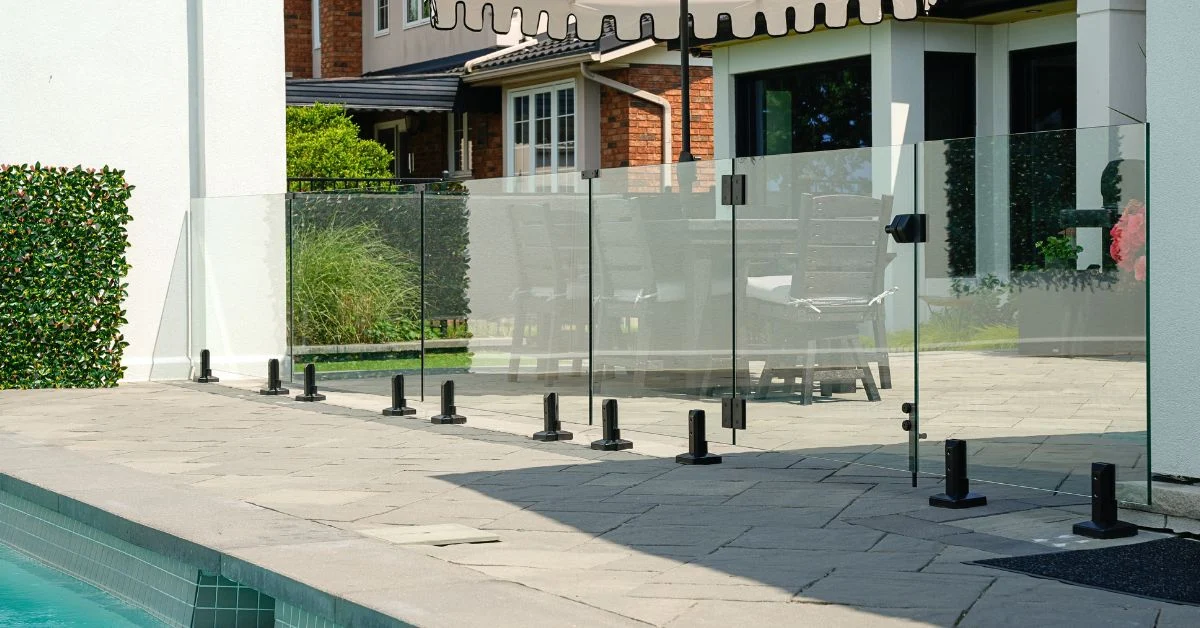
Frameless systems still rely on carefully selected components to secure and support the glass. Depending on the system, these can include spigots, clamps, posts, base channels, brackets, or other railing hardware.
The difference is that the supporting components are designed to maintain a cleaner visual appearance than traditional framed systems.
This combination of structural support and minimal visual obstruction is one of the main reasons frameless systems are attractive. The hardware provides necessary support while the glass remains the dominant visual element.
Clear Facts for a Confident Railing Choice
Frameless glass railings are often misunderstood because their transparent and minimalist appearance can make them seem more delicate or complicated than they actually are.
In reality, properly specified glass, suitable hardware, careful planning, and correct installation are all important parts of a reliable railing system. Glass can also work across different architectural styles and applications, from decks and balconies to stairs and other outdoor spaces.
Rather than relying on common assumptions, homeowners and professionals should evaluate the specific requirements of their project. Understanding the materials, hardware, installation process, maintenance needs, and intended application makes it easier to choose a railing system that fits both the space and its design goals.
FAQs
Are frameless glass railings safe?
Yes. When suitable safety glass, supporting hardware, and proper installation methods are used, frameless glass railings can provide a secure railing solution.
Is tempered glass strong enough for railings?
Yes. Tempered glass is designed for greater strength than ordinary glass and is commonly used in railing applications when properly specified.
Are frameless glass railings difficult to maintain?
No. Routine cleaning with suitable mild products and periodic hardware checks can help maintain their appearance and performance.
Can frameless glass railings be used on balconies?
Yes. They can be suitable for balconies when the system meets the structural and applicable building requirements for the installation.
How are frameless glass railings installed?
Installation involves accurate measurements, appropriate mounting hardware, secure anchoring, proper panel alignment, and suitable structural support.
Are frameless glass railings suitable for decks?
Yes. They are a popular option for decks because they can provide a clear boundary while preserving outdoor views.
What hardware is used for frameless glass railings?
Depending on the system, hardware may include spigots, clamps, posts, base channels, brackets, and other components designed to secure the glass panels.