


Colocation vs Cloud vs Hybrid: Which Infrastructure Model Fits Your Business?
Choosing IT infrastructure is no longer purely a technical decision. Just a few years ago, many companies were actively migrating their systems to public cloud platforms, expecting to eliminate the need for their own hardware entirely. However, as workloads and data volumes continued to grow, businesses began taking a closer look at costs, performance, and the risks associated with dependence on individual providers.
As a result, in 2026 companies increasingly evaluate three infrastructure deployment options:
- own servers hosted in a colocation server environment;
- public cloud;
- hybrid infrastructure (Hybrid Cloud).
Each approach has its own advantages, limitations, and use cases. The right choice depends on business objectives, security requirements, budget, and workload characteristics.
What Is Colocation?
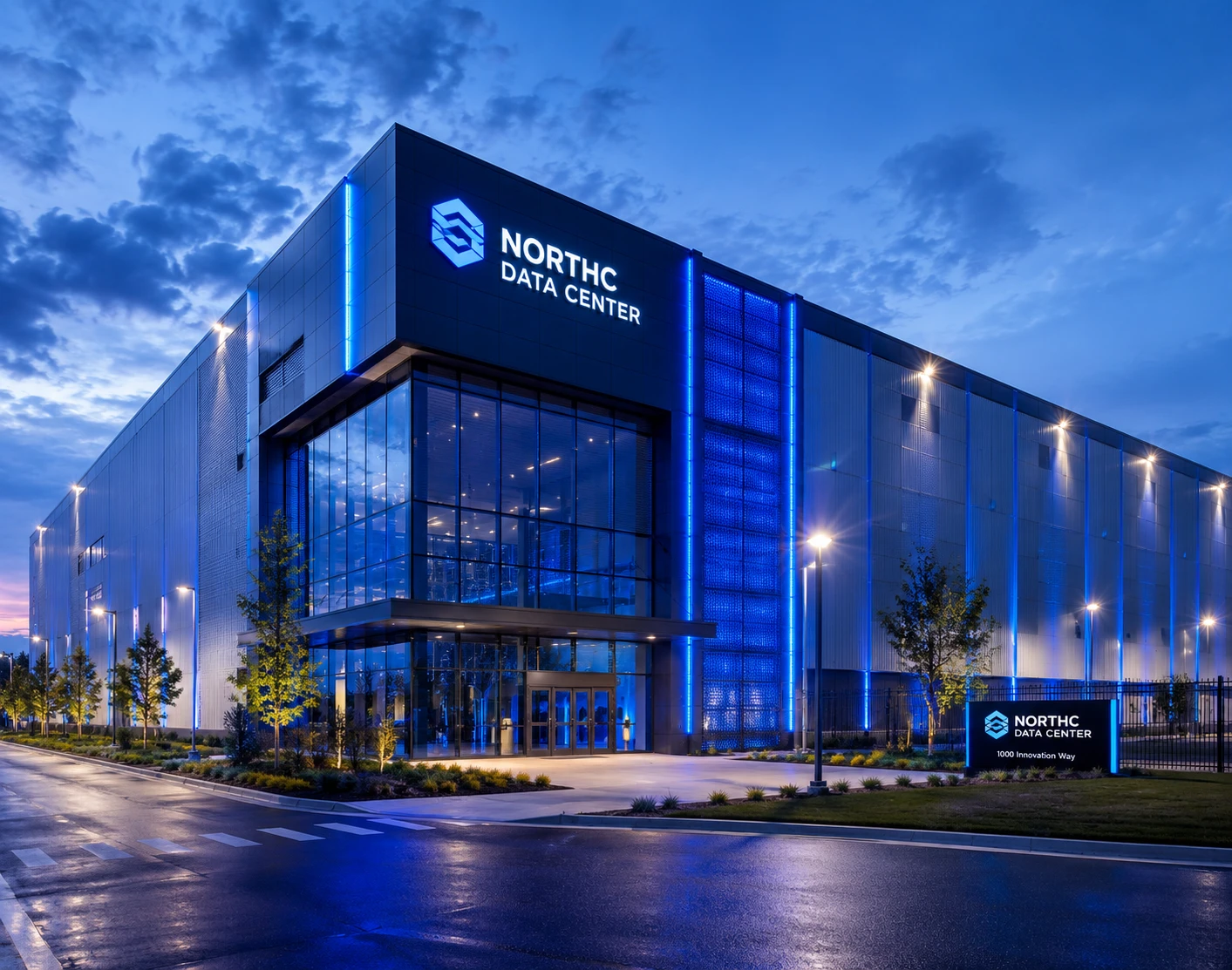
Colocation involves hosting a company’s own hardware in a professional data center. The organization purchases its servers, storage systems, and networking equipment, while the data center provides the supporting infrastructure:
- power supply;
- cooling;
- physical security;
- connectivity to telecom carriers;
- 24/7 monitoring.
In practice, the company retains full control over its hardware while benefiting from the advantages of a professional data center environment.
This approach is widely used by SaaS providers, financial institutions, service providers, telecommunications companies, and organizations with strict data security requirements.
What Is Cloud Infrastructure?
A cloud model is based on the use of virtual computing resources owned by a cloud provider.
Customers rent:
- virtual machines;
- container platforms;
- databases;
- object storage;
- network services.
In this model, the hardware belongs to the provider, while users access the required resources through a management portal or API.
The primary advantage of cloud infrastructure is flexibility. New computing resources can be provisioned within minutes without purchasing hardware or implementing complex deployments.
This is why cloud platforms are widely used by startups, software development companies, and organizations with rapidly changing workloads.
What Is Hybrid Infrastructure?
A hybrid model combines the advantages of both approaches. Some systems run on company-owned hardware hosted in a colocation facility, while others operate in the cloud.
For example:
- databases are hosted on dedicated servers;
- web applications run in the cloud;
- backups are stored in cloud storage;
- analytics platforms use cloud-based GPU resources.
This approach allows organizations to leverage the strengths of each technology while minimizing their weaknesses. According to industry analysts, hybrid infrastructure has become the most common model among mid-sized and large enterprises.
Cost Comparison
Cost remains one of the key factors when selecting an infrastructure architecture. At first glance, cloud services often appear more affordable because they require no upfront hardware investment. However, the picture changes over time.
In a cloud environment, companies pay for:
- computing resources;
- data storage;
- network traffic;
- backup services;
- additional managed services.
As workloads grow, these expenses can increase every month. Colocation requires an initial investment in hardware, but once servers have been purchased, costs become more predictable. This is particularly noticeable for projects with stable, high workloads.
A typical scenario looks like this:
- small projects – cloud is usually more cost-effective;
- medium-sized workloads with stable demand – costs become comparable;
- large enterprise systems – colocation often delivers a lower total cost of ownership.
For infrastructures operating 24/7 over multiple years, the difference can amount to tens of percent.
Performance and Control
One of the main advantages of colocation is complete control over infrastructure. Companies independently select:
- processors;
- memory capacity;
- networking equipment;
- storage systems;
- server architecture.
This is especially important for high-load applications, large databases, and specialized computing environments. In the cloud, available configurations are limited to those offered by the provider.
Although most workloads run successfully in virtualized environments, some applications require direct hardware access or highly customized configurations. In such cases, colocation provides greater performance and flexibility.
Infrastructure Scalability
Cloud platforms remain the clear leader when it comes to scalability. Adding new virtual servers typically takes only a few minutes. Organizations can quickly increase resources during peak periods and reduce them once demand decreases.
Scaling a colocation environment usually requires:
- purchasing hardware;
- shipping servers;
- installation;
- configuration.
This process can take days or even weeks. As a result, cloud platforms are often the more convenient option for projects with unpredictable growth. A hybrid model combines both approaches: the core infrastructure runs on dedicated hardware, while additional resources can be added through the cloud when needed.
Security and Compliance
For many organizations, security is the deciding factor. In a colocation environment, companies maintain full control over:
- hardware;
- storage systems;
- security policies;
- infrastructure access.
This is particularly important for organizations handling financial information, healthcare data, or intellectual property.
Cloud providers also offer a high level of security, but part of the control is delegated to a third party. In some industries, regulatory requirements or internal security policies restrict the migration of critical systems to a public cloud environment.
This is one of the main reasons why many organizations adopt a hybrid strategy and keep their most sensitive data on dedicated infrastructure.
Artificial Intelligence and GPU Infrastructure
The rapid development of artificial intelligence has significantly impacted the infrastructure market. Training and operating modern AI models requires substantial computing resources.
Cloud platforms provide quick access to GPU servers without major upfront investments. However, the cost of continuous GPU usage can become very high.
For companies that regularly use AI, dedicated GPU servers hosted in a colocation facility often become the more cost-effective long-term solution.
This is particularly relevant for:
- model training;
- computer vision;
- generative AI;
- analytics platforms;
- high-performance computing.
Many organizations use a hybrid approach in which baseline AI workloads run on dedicated GPU clusters, while cloud resources are used for temporary capacity expansion.
When Colocation Is the Right Choice
Hosting dedicated servers in a data center is typically justified when:
- workloads are stable and predictable;
- full control over hardware is required;
- specialized configurations are needed;
- data sovereignty requirements are important;
- infrastructure operates 24/7;
- long-term deployment is planned.
Colocation is most commonly used by service providers, SaaS companies, financial institutions, and organizations operating large enterprise systems.
When Cloud Is the Better Option
Cloud infrastructure is particularly effective for companies that require maximum flexibility. Common scenarios include:
- launching new projects;
- product testing;
- rapid scaling;
- seasonal workloads;
- startups with limited budgets.
For small and medium-sized projects, cloud platforms significantly accelerate deployment and reduce initial costs.
When a Hybrid Model Becomes the Best Choice
In 2026, the hybrid approach has become the most popular option among mid-sized and large businesses.
It allows organizations to:
- store critical data on dedicated servers;
- use cloud services for scaling;
- reduce dependence on a single provider;
- optimize costs;
- improve infrastructure resilience.
In essence, a hybrid architecture allows each technology to be used where it delivers the greatest value.

Which Option Is Best for Businesses in 2026?
There is no universal answer to the question of whether colocation, cloud, or hybrid infrastructure is the best choice. For startups and smaller projects, cloud platforms usually remain the most attractive option due to minimal upfront costs and exceptional flexibility. For large enterprise systems and constant workloads, dedicated servers hosted in a colocation facility often provide better control, higher performance, and a more predictable total cost of ownership.
For most organizations, however, a hybrid model offers the best balance. It combines the advantages of dedicated infrastructure and cloud platforms while maintaining an effective balance between control, scalability, security, and cost efficiency.