
Some of the most interesting camera angles live on surfaces nobody thinks to use. A car window frames the road ahead during a scenic drive. A bathroom mirror or tiled wall puts the lens right where a skincare routine happens. A shop window captures passersby and a display in the same shot. The trouble is that none of these spots have room for tripod legs, and holding a phone against glass for minutes at a time is tiring and shaky.
Suction mounting fills that gap. Instead of standing on a table, the tripod grips a smooth surface directly, freeing you to shoot from places that were previously off limits. That said, suction only works well when you understand where it holds, how to prepare a surface, and how to protect your phone while it is mounted. This article answers the questions road trip vloggers, beauty and lifestyle creators, and small shop owners ask most often, so you can decide whether suction fits your workflow and use it with confidence from the very first shoot.
What Makes a Suction Tripod Different From a Standard Stand?
A conventional tripod depends on gravity. Its legs spread out, press down on a surface, and rely on weight and friction to stay put. That approach works beautifully on floors and tables, but it falls apart on vertical or angled surfaces. A suction design flips the idea around by creating a seal against a smooth surface, holding the rig in place even when that surface is upright.
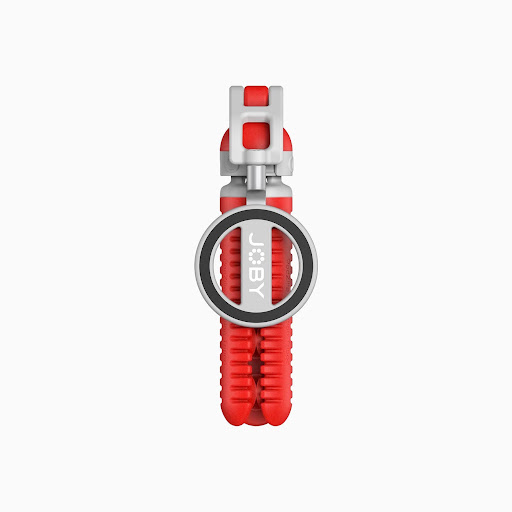
An Octo Suction Tripod combines that grip with flexible, bendable legs, which means it can stand on a table like a normal mini tripod, wrap around an object, or attach to glass and tile when there is nowhere else to set it. That versatility is the real appeal. Rather than carrying separate gear for each situation, you get one compact support that adapts to the environment in front of you. For creators who film in cars, bathrooms, kitchens, and storefronts, that flexibility can open up angles that simply were not practical before.
Which Surfaces Work Best for Suction Mounting?
Suction relies on an airtight seal, so the ideal surface is smooth, flat, and non-porous. Glass is the classic example: windows, glass tables, shower screens, and mirrors all provide a consistent surface that lets the cups seal evenly. Glazed ceramic tile works well too, as long as you mount on the face of the tile rather than across a grout line. Polished stone countertops, glossy appliance doors, and smooth acrylic panels are other reliable options.
Temperature and cleanliness influence the hold as much as material does. Warm, clean glass generally seals better than cold, dusty glass, and a surface that is dry and free of oil will grip far more predictably than one covered in fingerprints or condensation. Before committing to a long shoot, test the mount for a few minutes and give it a gentle tug to confirm it feels secure.
Surfaces Worth Avoiding
Textured, porous, or flexible surfaces are poor candidates. Painted drywall, wood grain, fabric, brushed metal, and matte plastics usually contain tiny gaps that let air leak in, which slowly breaks the seal. Wallpaper and peeling paint can also be damaged when the cups are removed. If a surface feels even slightly rough to your fingertip, use the tripod’s flexible legs instead, either standing on a nearby shelf or wrapping around a fixture.
How Do You Prepare a Surface for a Secure Hold?
Most suction failures come down to preparation rather than the mount itself. A short routine before every shoot makes a noticeable difference:
- Wipe the surface with a lint-free cloth to remove dust, oil, and fingerprints
- Clean the suction cups as well, since debris on a cup breaks the seal just as easily
- Press the cups firmly and evenly so air escapes from the entire contact area
- Attach the phone only after the tripod itself feels locked in place
- Give the rig a light tug and wait a moment before letting go completely
Pay attention to the phone’s position relative to the mount. The farther the phone sits from the surface, the more leverage it exerts on the cups. Keep the legs fairly compact when attaching to vertical glass, and angle the phone so its weight stays close to the mounting point. It is a small adjustment that pays off during longer sessions.
Where Can Suction Mounting Take Your Content?
Once you trust the hold, suction mounting becomes a creative tool rather than a workaround. A few environments benefit in particular.
In the Car
Road trip creators often want a forward-facing view of the landscape or a side angle that captures both driver and passenger in conversation. Mounting to a side or rear window keeps the phone stable and close to the glass, which reduces reflections. Always position the rig so it never blocks the driver’s line of sight, check local rules on window mounts, and start or stop recording only when safely parked.
At Home
Beauty, skincare, and cooking creators spend a lot of time near mirrors, tile backsplashes, and glossy cabinets. A suction mount lets you place the camera at eye level beside a mirror, or angle it down from a tiled wall to show your hands at work, without clearing counter space for legs. Parents also use this approach to film kids baking or doing crafts without a tripod crowding the table.
In a Shop or Studio
Small business owners can mount a phone on a display window to film customers browsing, a product being arranged, or a time-lapse of the day’s foot traffic. In a studio, glass partitions and whiteboards become handy mounting points for overhead or side angles when filming tutorials.
How Do You Keep Your Phone Safe While Mounted?
A mounted phone is only as secure as its weakest connection, so check each link in the chain. Confirm the phone clamp grips firmly, especially if you use a thick or slippery case. Keep an eye on the environment too. Direct sun on a window can heat both the phone and the glass, so shoot in shade when possible and take breaks during long recordings. Avoid mounting above hard floors or sinks when you can choose a safer spot, or place a soft towel below as a precaution.
Removal deserves the same care as setup. Rather than pulling the tripod straight off, lift the edge of each cup to release the seal gently. This protects both the cups and the surface, and it keeps the rubber in good shape for future shoots. Store the tripod so the cups are not pressed or folded, and wash them occasionally with mild soap and water to restore their grip. JOBY builds its flexible tripods for exactly this kind of repeated, on-the-go use, and a little maintenance keeps any suction setup reliable for the long run.
Getting Steady Shots From Smooth Surfaces
Suction mounting answers a question many creators never think to ask: what if the best angle is on a wall, a window, or a mirror? With the right tripod, those surfaces become dependable camera positions instead of places you have to hold a phone by hand. Success comes down to a few simple habits. Choose smooth, non-porous surfaces such as glass and glazed tile, clean both the surface and the cups before mounting, keep the phone close to the mounting point, and remove the rig gently when you are done. Pair those habits with sensible safety checks, particularly in cars and above hard floors, and you can shoot with far less worry. Whether you are documenting a road trip, filming a morning routine, or showcasing a shop window, a flexible suction setup gives you one more way to tell your story from an angle your audience has not seen a hundred times before.