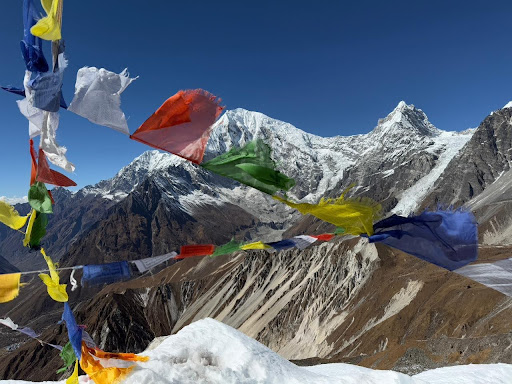
Walking the Annapurna Circuit means more than climbing hills. Instead of just paths and peaks, you meet quiet villages tucked into slopes. From one stop to the next, homes built from stone blend with terraced fields. Though days bring changing landscapes, people stay rooted in old ways. Because every hamlet speaks a different dialect, wears distinct clothes, lives by unique rhythms – culture shifts with altitude. While forests give way to alpine air, daily life unfolds in prayer flags, wood stoves, shared meals. So much depends on season, yet routines remain steady across generations.
Traditional Mountain Villages
Stone and wood come together in homes shaped by mountain winters. Quiet settlements dot the Annapurna trail, tied tightly to nature around them. Farming feeds families here, just like raising animals and trading goods nearby. These places move slowly, living close to earth rhythms.
Daily Life of Local People
Farmers rise before dawn, moving through chores shaped by weather and planting times. Morning light finds them working soil, feeding livestock, tending homes. High-altitude settlements lean on yaks for survival while hosting travelers in small lodges run by locals.
Agriculture and Livelihood
Built into the hills, flat plots stretch across the lower zones where daily routines tie closely to the soil. Rice fills many fields, though corn appears often too, alongside small grains that handle uneven weather. Higher up, where air grows thin and land slopes sharply, planting loses ground to raising animals or hosting visitors instead. Survival takes a different shape there – less tied to seeds, more to movement and exchange. Each step upward changes what work means.
Cultural Diversity Along the Trail
Walking the Annapurna Circuit, you meet people from many different backgrounds. Lower down, villages follow ways shaped by Hindu beliefs. Higher up, life reflects Gurung, Thakali, and Tibetan roots more strongly. From one valley to the next, speech changes, habits shift, daily rhythms differ. All together, these layers make the journey rich with human variety.
Traditional Architecture
Up high, where it’s colder, homes often sit sturdy with stone walls and wooden supports, topped by flat rooftops that handle snow load. Down below, settlements spread wider, shaped around fields and farming needs instead of tight enclosures. Wooden details twist into patterns, bright flags flutter on ropes, each marking a quiet nod to faith and tradition. These touches aren’t just decoration – they speak of who lives there, what matters along the Annapurna Circuit Trek.
Tea Houses in Village Life
Out here, tea houses matter more than you might think. Some families earn their living by running tiny lodges for travelers on foot. These spots feed people, give them beds – help keeps things going. Instead of just boosting visitor numbers, they weave guests into daily routines. Villages now blend old ways with these busy little stops along the trail.
Festivals and Community Celebrations
Joy fills the valleys when festival season arrives in the Annapornas. Down below, homes light up during Hindu events such as Dashain and Tihar. Up high, Buddhist traditions take center stage with color and chant. Singing rises through villages alongside rhythmic steps and shared prayers. Togetherness grows where people meet, again and again, through ritual and sound.
Hospitality and Human Connection
What sticks in your mind about village living might just be how openly folks welcome strangers. Warmth shows up fast, especially when travelers arrive unannounced in far-off places. A meal passed across a table can say more than words ever could. Talking while sitting on low stools builds bridges you don’t forget easily.
Conclusion
Walking the Annapurna Circuit, you step straight into village rhythms shaped by seasons and soil. Instead of rushing through, most travelers slow down, drawn by farmers tending terraced fields just like their grandparents did. High up, where wind whips across stone homes, people live simply, yet greet strangers warmly. Because every stop feels different – some with prayer flags fluttering wildly, others quiet under snowfall – the trail becomes more than footsteps on rock. Though legs ache crossing passes, many say what sticks is not the climb, but shared meals, silent moments in courtyards, faces lit by firelight.