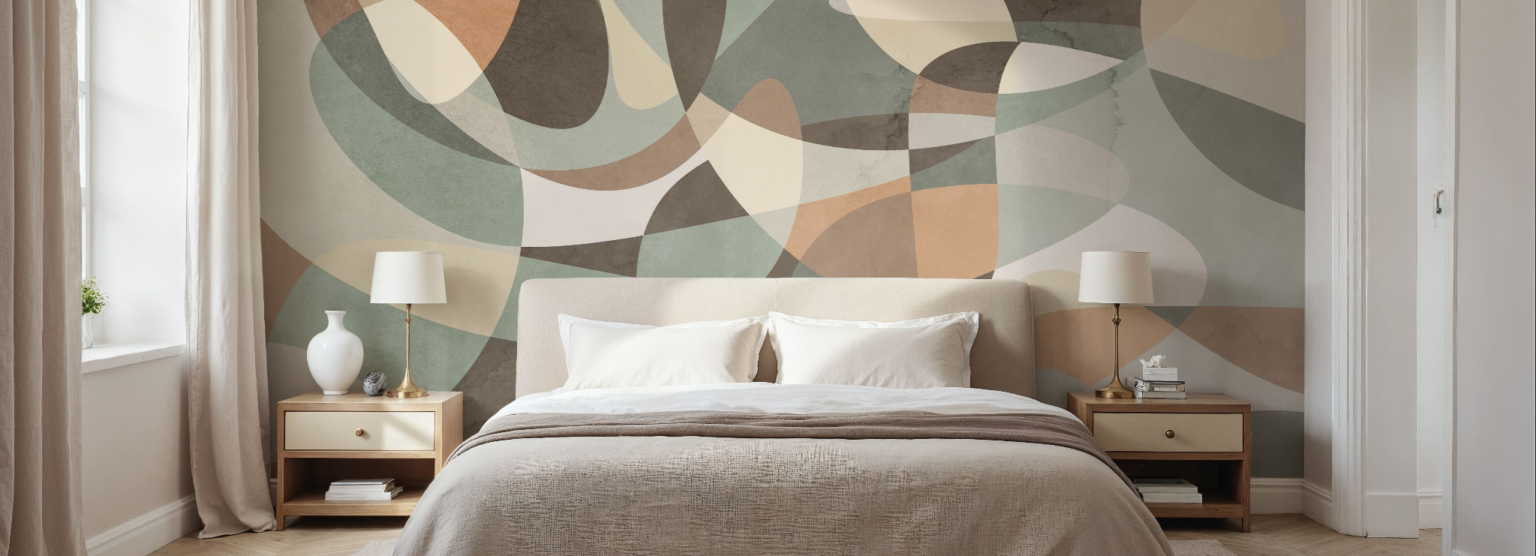
Wallpaper has become an important design element in modern interiors. From subtle textures and natural fibers to bold patterns and large-scale murals, wallcoverings can give a room character that paint alone rarely achieves.
However, a beautiful wallpaper design does not automatically produce a beautiful finished wall.
Visible seams, misaligned patterns, lifting edges, and uneven surfaces can undermine even an expensive interior. In many cases, these problems are not caused by the wallpaper itself. They result from decisions made during material selection, wall preparation, or installation.
Understanding where projects go wrong is particularly important for homeowners, interior designers, and contractors working with premium wallcoverings.
Here are seven mistakes that deserve attention before the first strip is installed.
1. Choosing Wallpaper Based Only on Appearance
One of the earliest mistakes happens before installation begins: selecting a wallcovering without considering its technical characteristics.
Two wallpapers may look similar in a showroom but behave very differently during installation.
Non-woven wallpaper, traditional paper, natural grasscloth, heavy vinyl, and self-adhesive materials have different requirements for surface preparation, adhesives, handling, and maintenance.
For example, natural grasscloth may have visible panel transitions and color variations that are inherent to the material. These characteristics can be desirable in an organic interior, but they may disappoint someone expecting perfectly uniform walls.
Similarly, peel-and-stick wallpaper is often marketed as an easy alternative to traditional materials. Yet its performance depends heavily on the wall surface, paint condition, and adhesive compatibility.
A successful project begins by matching the wallcovering to the room, its intended use, and the desired appearance.
2. Installing Wallpaper Over Poorly Prepared Walls
- Surface preparation is one of the most underestimated stages of wallpaper installation.
- Walls that appear smooth from a distance may contain imperfections that become obvious once wallpaper is installed.
- Small dents, poorly repaired drywall joints, old adhesive residue, and raised paint texture can all affect the finished appearance.
This is particularly relevant in homes with orange-peel or knockdown drywall finishes, which are common in Colorado and other parts of the United States.
Thin or reflective wallpapers can reveal imperfections beneath the material, while textured surfaces may prevent consistent contact between the wallpaper and the wall.
Applying additional primer does not solve this problem. Primer prepares a suitable surface for adhesion; it does not physically flatten raised texture.
Depending on the selected material, proper preparation may require drywall repairs, skim coating, sanding, cleaning, and a compatible wallcovering primer.
Skipping these steps to reduce the initial project cost can lead to far more expensive corrections later.
3. Using the Wrong Adhesive
Wallpaper adhesive is not a universal product.
Different wallcoverings require different adhesive systems, and manufacturers often specify particular products or performance characteristics.
An adhesive suitable for lightweight non-woven wallpaper may not be appropriate for heavy commercial vinyl or a delicate natural-fiber wallcovering.
Incorrect adhesive selection can contribute to poor bonding, staining, dimensional changes, and seam problems.
Application methods also matter. Some products are designed for paste-the-wall installation, while others require adhesive to be applied to the wallpaper backing. Certain traditional papers also need a controlled booking period before installation.
These procedures should not be treated as interchangeable.
According to installation practices used by Colorado-based wallcovering company Enjoy The Wall, reviewing the material specifications and wall conditions before installation is an essential part of avoiding preventable problems.
Their detailed guide to common wallpaper installation mistakes also explains how surface preparation, adhesive compatibility, pattern alignment, and finishing techniques influence the final result.
4. Underestimating Pattern Repeat and Material Waste
Wallpaper quantities cannot always be calculated accurately from wall square footage alone.
Pattern repeat, roll width, wall height, and architectural details influence how much material a project requires.
Large floral designs, geometric patterns, and drop-match wallpapers can generate substantial cutting waste because adjacent strips must align correctly.
A wallpaper with a large repeat may require considerably more material than a random-match design covering the same wall.
The layout also affects appearance.
A prominent motif may need to be centered on a feature wall, fireplace, or architectural element. Beginning installation at the nearest corner without considering the overall composition can leave the finished design visually unbalanced.
For custom murals, the consequences can be even greater. Numbered panels must be installed in the correct sequence, and the printed artwork must correspond to the actual wall dimensions.
Accurate measurements and layout planning should happen before the material is ordered, not after the rolls arrive.
5. Stretching Wallpaper to Make the Pattern Fit
When a pattern does not align perfectly, pulling or stretching the wallpaper may seem like a quick solution.
Unfortunately, this can create problems that appear after the installation is complete.
Some wallcoverings change dimensions when exposed to moisture from adhesive. If the material is stretched during installation, it may relax or contract as it dries.
- The result can be visible gaps, distorted patterns, or tension along the seams.
- Aggressive smoothing can also damage delicate printed surfaces, embossed textures, or natural materials.
- Professional installation requires understanding how a particular wallcovering behaves and adjusting the technique accordingly.
- A strip that does not align properly may indicate an earlier problem with cutting, layout, wall geometry, or material handling.
- Forcing it into position rarely addresses the underlying cause.
6. Treating Every Wallpaper Seam the Same Way
Seams are among the most visible details in a wallpaper installation.
For many conventional residential wallpapers, adjacent strips are installed with carefully aligned butt joints. The edges meet without overlapping.
However, this is not a universal rule.
Certain commercial vinyl wallcoverings and specialty products require overlap-and-double-cut techniques or other manufacturer-specified methods.
Applying the wrong seam technique can produce raised edges, gaps, damaged material, or inconsistent alignment.
It is also important to understand that not all seams are intended to disappear completely.
Natural grasscloth, hand-finished wallcoverings, and some specialty materials may have visible panel transitions even when installed correctly.
Lighting can make these characteristics more noticeable. Strong daylight entering from the side may reveal subtle differences in texture, surface reflectivity, or seam alignment.
This is why material expectations should be discussed before installation, especially in high-end interiors where the final appearance is closely evaluated.
7. Continuing Installation After Discovering a Problem
One of the most expensive mistakes is continuing to install wallpaper after noticing something is wrong.
The first few strips provide an opportunity to identify unexpected issues, including color differences, manufacturing defects, pattern inconsistencies, adhesion problems, or unusual material behavior.
If a problem becomes apparent, the installation should stop until the cause is understood.
Continuing across an entire room can turn a manageable issue into a costly replacement project.
Many wallcovering manufacturers include inspection requirements in their installation instructions and may limit claims once a specified amount of material has been installed.
Checking roll identification, dye lots, panel numbering, and the appearance of the initial strips can help prevent unnecessary losses.
This is especially important when working with expensive designer materials or custom-printed murals that may be difficult to replace quickly.
Why Installation Planning Matters More Than Ever
Wallpaper is no longer limited to traditional decorative patterns in residential rooms.
Today's projects include natural fibers, textured wallcoverings, architectural murals, specialty veneers, and durable commercial materials.
These products offer significant design possibilities, but they also introduce technical requirements that should be considered early in the project.
For interior designers and contractors, coordinating material selection with installation planning can help avoid situations where a visually appealing product proves unsuitable for the intended surface or environment.
For homeowners, understanding the limitations of different wallcoverings makes it easier to establish realistic expectations about seams, texture, maintenance, and long-term performance.
The most effective approach considers the entire process: selecting the material, evaluating the wall, planning quantities and layout, and using the appropriate installation method.
Final Thoughts
Wallpaper installation mistakes are rarely isolated events. A poorly prepared surface can affect adhesion. An incorrect layout can increase material waste. Incompatible adhesives or improper handling can create defects that become visible only after drying.
Avoiding these problems requires more than careful workmanship during installation. It requires informed decisions from the beginning of the project.
Whether the goal is a simple accent wall or a sophisticated architectural interior, the quality of the finished result depends on how well the material, surface, and installation method work together.
A successful wallpaper project starts long before the first strip touches the wall.