
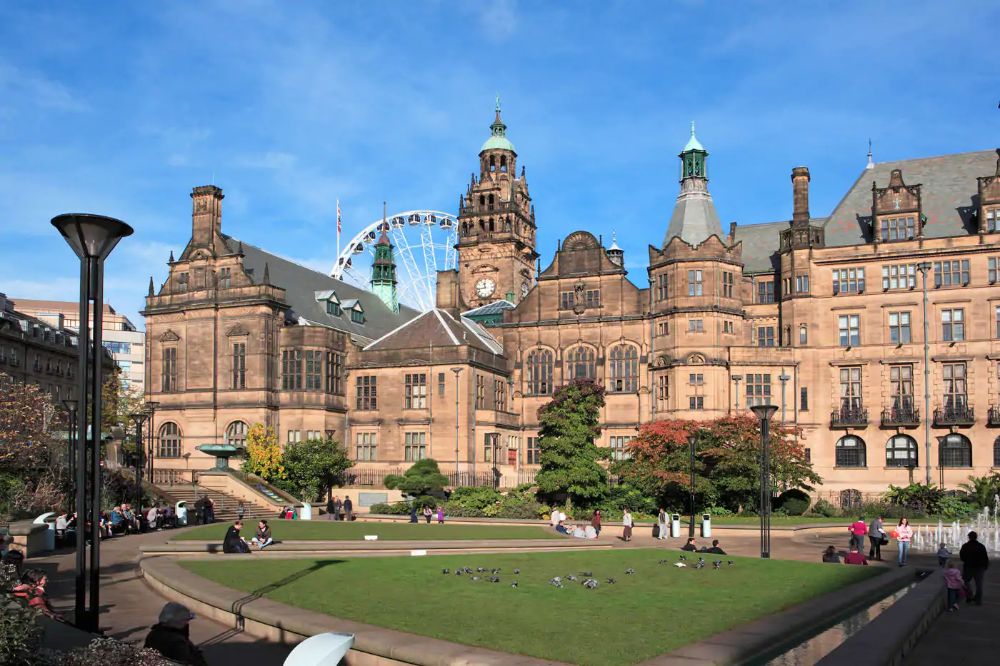
People who move to Sheffield for work or study tend to notice the same handful of things within their first few months. A few are about the city itself, such as the gradients and the amount of green space, and others are about the people and the way daily life runs. These six are worth knowing before you arrive, whether you’re renting near the university or buying further out.
1. How Hilly the City Is
Sheffield is built across seven hills, and that becomes obvious the first time you try to walk or cycle anywhere. A ten-minute stroll can involve a climb steep enough to change which shoes you wear, and many residents plan routes around gradients without thinking about it. Most people stop noticing the hills within a few weeks, and the views from Crookes and Walkley make the climbs feel worthwhile.
2. How Quickly Newcomers Feel Welcome
Neighbours often say hello, ask where you’ve moved from and recommend a good local pub or park. Community groups, allotment societies and sports clubs across the city take on new members all year, and many people make friends through them. Fostering in Sheffield could be one way settled residents give back, and local clubs and neighbourhood projects are another.
3. The Amount of Green Space
Sheffield is estimated to have more trees per person than any other city in Europe, and around a third of the city sits inside the Peak District National Park. Newcomers who expect a steel city are often surprised by how many streets are lined with trees, and a walk through Endcliffe Park or the Porter Valley is a normal part of the week. Open moorland is only a short bus ride away.
4. The Independent Food and Drink Scene
Kelham Island, once a district of empty warehouses and a few old pubs, now has independent bars, microbreweries, a large food hall and street food markets, and it was ranked among the world’s coolest neighbourhoods in a 2022 list. Division Street and Ecclesall Road add more independent cafés, bars and restaurants, so there’s a wide choice beyond the big chains.
5. The Local Way of Talking
Shop assistants and bus drivers regularly call strangers “love”, and words such as “nesh” for someone who feels the cold easily or “mardy” for someone in a bad mood turn up in everyday conversation. Accents vary a little across the city, and newcomers usually pick up the local phrases within a few months. Most locals are happy to explain a word if you ask.
6. Getting Out and About Without a Car
Trams, buses and trains make it simple to cross the city without a car, and the Hope Valley railway line reaches Hathersage and Edale within half an hour, which puts the Peak District within reach for a day out. After a few months most newcomers have a regular route, a favourite pub and a clearer sense of which neighbourhood suits them, so choosing where to settle for longer comes more naturally.