That musty smell in your basement isn’t just unpleasant — it could be a warning sign. Mold spores exist almost everywhere, floating invisibly through the air until they land somewhere damp enough to settle in and multiply. Bathrooms, attics, crawl spaces, and even the ductwork of your HVAC system offer exactly the kind of dark, moist environment mold thrives in.
Many homeowners don’t realize they have a mold problem until it’s already spread. By then, what started as a small patch behind a wall can turn into a widespread issue affecting indoor air quality and, in some cases, your family’s health. The good news? Mold is preventable, manageable, and — when caught early — relatively simple to address.
This post breaks down why mold forms, the warning signs to watch for, and how a trusted HVAC and air quality partner can help you breathe easier at home.
What Causes Mold to Grow in Your Home?
Mold needs just three things to grow: moisture, warmth, and a food source (which can be as simple as dust or drywall). Unfortunately, most homes provide all three without much effort.
Common culprits include:
- Leaky pipes or roofs that introduce moisture into walls and ceilings
- Poor ventilation in bathrooms and kitchens, trapping humidity indoors
- HVAC systems that aren’t properly maintained, allowing condensation to build up in ducts
- High indoor humidity, especially in summer months or in humid climates
- Flooding or water damage that isn’t fully dried out
Your HVAC system plays a bigger role here than most people realize. As air circulates through your home, it passes through ductwork that can harbor trapped moisture if not properly sealed or maintained. This makes routine HVAC inspections an important — and often overlooked — line of defense against mold.
Signs You Might Have a Mold Problem
Mold isn’t always visible. Sometimes it hides behind walls, under carpets, or inside air ducts, making it easy to miss until symptoms show up elsewhere. Keep an eye out for:
- A persistent musty or earthy odor
- Visible spots of black, green, or white growth on walls, ceilings, or vents
- Increased allergy symptoms, coughing, or respiratory irritation among household members
- Peeling paint or warped drywall
- Condensation on windows or in humid rooms
If you notice a combination of these signs, it’s worth having your home professionally inspected. Catching mold early can save you significant time, money, and stress down the road.
Why Indoor Air Quality Matters More Than You Think
Most people spend around 90% of their time indoors, which means the air circulating through your home has a direct impact on your everyday health and comfort. Mold spores are microscopic, meaning they can easily become airborne and travel through your HVAC system, spreading to rooms far from the original source.
For people with asthma, allergies, or weakened immune systems, exposure to mold spores can trigger symptoms ranging from mild irritation to more serious respiratory issues. Even in healthy households, prolonged exposure to poor air quality can lead to fatigue, headaches, and general discomfort.
This is exactly why addressing mold isn’t just a cosmetic fix — it’s an investment in the long-term health and comfort of everyone living under your roof.
How Breeze Air Quality Helps Homeowners Breathe Easier
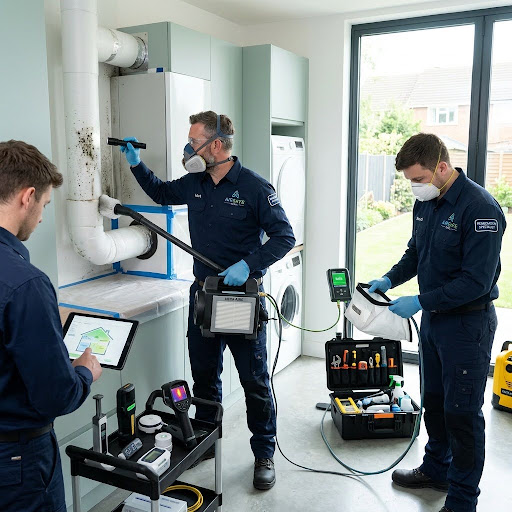
A thorough, health-focused approach to eliminating mold at its source is exactly what sets Breeze Air Quality apart. Their team combines HVAC expertise with specialized Mold Remediation services to identify not just where mold is visible, but where it’s hiding — including inside ductwork and ventilation systems that standard inspections often miss.
Rather than simply masking the problem, Breeze Air Quality focuses on identifying the root cause of moisture buildup, removing existing mold safely, and helping prevent it from returning. Their process typically includes:
- A comprehensive inspection to identify mold sources and moisture issues throughout the home, including HVAC components
- Safe, thorough removal of mold-affected materials using industry-approved methods
- Air quality improvements, such as duct cleaning and humidity control recommendations
- Preventive guidance to help homeowners maintain a healthier indoor environment long-term
Because HVAC systems are often at the center of both the problem and the solution, having a team that understands both air quality and mold removal makes a meaningful difference. It means fewer callbacks, more lasting results, and genuine peace of mind.
Simple Steps to Prevent Mold Between Service Visits
While professional remediation addresses existing issues, a few everyday habits can help keep mold from coming back:
- Run exhaust fans in bathrooms and kitchens during and after use
- Keep indoor humidity levels between 30-50% using a dehumidifier if needed
- Schedule regular HVAC maintenance to catch condensation issues early
- Fix leaks and water damage promptly, rather than letting them sit
- Ensure proper airflow throughout your home, especially in basements and attics
Small, consistent habits like these go a long way toward protecting your home’s air quality between professional visits.
Breathe Easier, Starting Today
Mold doesn’t announce itself loudly. It creeps in quietly, often through the very systems designed to keep your home comfortable. But with the right knowledge and the right team behind you, it’s entirely manageable.
If you’ve noticed musty odors, visible spots, or unexplained allergy symptoms at home, don’t wait for the problem to grow. Reach out to Breeze Air Quality for a professional inspection and take the first step toward a cleaner, healthier living space for you and your family.