Recreational vehicles represent a major investment, both financially and in the time spent maintaining them. In Rochester, Minnesota, that investment is tested by long winters, heavy snowfall, freeze–thaw cycles, hail, and strong summer storms. For RV owners who use their vehicles seasonally, long periods of inactivity are unavoidable. How and where an RV is stored during those months has a direct impact on its condition, reliability, and long-term value.
Open parking may appear convenient, but prolonged exposure to weather introduces gradual damage that often goes unnoticed until costly repairs are required. Covered storage offers a practical middle ground between outdoor exposure and full indoor storage, providing meaningful protection without the complexity or cost of climate-controlled buildings. For many RV owners in southern Minnesota, covered storage aligns well with local climate realities and long-term ownership goals.
Understanding What Covered RV Storage in Rochester, MN Really Protects
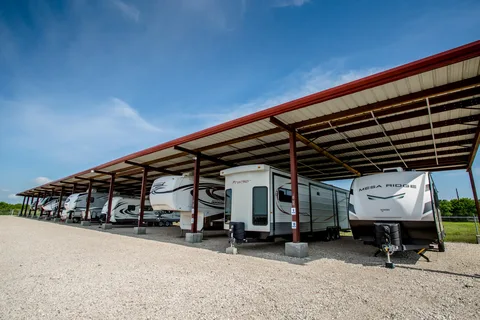
For RV owners considering covered rv storage rochester mn, the value lies in consistent, physical protection from direct exposure. Covered storage typically includes a roofed structure that shields the vehicle from precipitation, sunlight, and falling debris while allowing for airflow around the sides.
This form of storage addresses the most damaging environmental factors without fully enclosing the vehicle. In Rochester, where snow loads and ice accumulation can strain roofs and seals, overhead coverage reduces direct pressure on vulnerable surfaces. At the same time, airflow helps prevent trapped moisture that can occur in tightly sealed environments.
Covered storage focuses on preventing predictable, cumulative damage rather than eliminating every environmental variable.
Weather Exposure Is the Primary Risk in Southern Minnesota
Rochester’s climate places specific stresses on large vehicles. Snowfall is not just a winter inconvenience; it accumulates weight over time. Ice forms in seams and joints, expanding as temperatures fluctuate. Summer brings UV exposure, heavy rain, and hail events that can mark or weaken exterior materials.
Direct exposure leads to:
- Roof membrane degradation from UV radiation
- Sealant cracking caused by repeated freeze–thaw cycles
- Water intrusion at vents, skylights, and seams
- Paint fading and surface oxidation
- Accelerated aging of rubber components
Covered storage reduces the intensity of these forces. By limiting direct precipitation and sunlight, it slows the processes that lead to leaks, cosmetic damage, and material fatigue.
Roof Protection and Structural Longevity
The roof is one of the most vulnerable parts of any RV. Flat or low-slope designs allow snow to accumulate, especially during extended cold periods. Over time, this weight can stress roof decking, seams, and support structures.
Covered storage reduces:
- Snow load accumulation on the roof surface
- Ice dams forming around vents and edges
- Standing water during spring melt cycles
With less stress on the roof, sealants and membranes maintain integrity longer. This directly reduces the risk of slow leaks that often go unnoticed until interior damage appears.
Preserving Exterior Surfaces and Finishes
Paint, decals, fiberglass, and metal surfaces are all affected by prolonged exposure. Ultraviolet radiation breaks down pigments and coatings, while moisture accelerates corrosion and oxidation.
Covered storage limits:
- Fading of exterior finishes
- Peeling or cracking of decals
- Corrosion on metal components
- Premature wear of window seals and trim
While periodic washing and waxing help, reducing exposure is more effective than repairing damage after it occurs. Covered storage acts as a passive preservation measure that works continuously without ongoing effort.
Reducing Moisture-Related Interior Risks
Interior damage is often the most expensive and disruptive consequence of poor storage. Moisture intrusion can lead to mold growth, delamination, warped flooring, and damaged insulation. Even small leaks, when combined with temperature swings, can cause significant problems over time.
Covered storage lowers the risk by:
- Minimizing direct rainfall and snow contact
- Reducing ice buildup that forces water into seams
- Allowing airflow that discourages condensation
According to guidance from the National Park Service on vehicle and equipment storage, reducing moisture exposure is one of the most effective ways to preserve long-term structural integrity and interior materials.
Tire, Suspension, and Undercarriage Considerations
While covered storage primarily protects the upper structure, it also indirectly benefits components below. UV exposure accelerates tire degradation, leading to sidewall cracking and reduced lifespan. Snow and ice buildup around wheel wells can introduce moisture to brake and suspension components.
Covered storage helps by:
- Shielding tires from direct sunlight
- Reducing prolonged contact with snow and ice
- Limiting freeze-related stress on exposed components
Many RV owners combine covered storage with proper tire support and periodic inspection, creating a more stable long-term storage environment.
Security and Reduced Environmental Debris
Open storage exposes vehicles not only to weather but also to debris carried by wind or falling from nearby trees. Branches, leaves, and airborne grit can scratch surfaces or clog vents.
Covered storage reduces:
- Impact from falling debris
- Accumulation of leaves and organic material
- Surface abrasion caused by wind-driven particles
In organized storage facilities, covered units are often part of managed layouts that also support better access control and visibility, reducing incidental damage from neighboring vehicles.
Practical Advantages for Seasonal RV Owners
Most RVs in Rochester are not used year-round. Storage periods may last several months, making passive protection especially valuable. Covered storage requires no daily oversight and works continuously during idle periods.
This approach supports:
- Easier seasonal reactivation
- Fewer repairs before travel
- More predictable maintenance schedules
Owners often find that spring preparation becomes simpler when the vehicle has been protected from winter exposure.
Cost Balance Compared to Other Storage Options
Indoor storage offers the highest level of protection but may be limited in availability or cost-prohibitive for larger RVs. Open storage is widely available but provides minimal protection.
Covered storage sits between these options by offering:
- Meaningful weather protection
- Better long-term value preservation
- More accessible pricing for large vehicles
For many RV owners, covered storage represents a practical balance between protection and affordability, especially when long-term ownership is the goal.
How Covered Storage Supports Long-Term Resale Value
Condition matters significantly when selling or trading an RV. Buyers often look for signs of water damage, roof integrity, and exterior wear. Vehicles that have been consistently protected tend to show fewer cosmetic and structural issues.
Covered storage contributes to:
- Better-maintained exteriors
- Reduced risk of hidden moisture damage
- More consistent maintenance records
These factors combine to support stronger resale outcomes and smoother inspections.
Planning for Rochester’s Seasonal Cycles
Rochester’s climate is predictable in its extremes. Snowfall, freeze cycles, and summer storms are not occasional events; they are annual patterns. Storage decisions that account for these patterns are more likely to protect vehicles effectively.
Covered storage aligns with this reality by:
- Reducing cumulative seasonal stress
- Offering year-round protection without enclosure
- Supporting long storage intervals common in Minnesota
This makes it a practical choice for owners who plan to keep their RVs for many years.
Conclusion: A Practical Step Toward Long-Term RV Protection
For RV owners in Rochester, long-term protection is less about reacting to damage and more about preventing it. Covered storage addresses the most common sources of wear caused by Minnesota’s climate without introducing unnecessary complexity.
Choosing covered rv storage rochester mn provides consistent protection against snow, rain, UV exposure, and debris while allowing airflow that helps manage moisture. Over time, this approach supports better structural integrity, fewer repairs, and a smoother ownership experience.
In a region where seasonal storage is unavoidable, covered RV storage stands out as a sensible, reliable option for preserving both the function and value of your vehicle.