Cold mornings have a way of exposing every weakness in a home’s heating system. One day everything hums along fine, and the next, you’re bundled in three sweaters wondering why the thermostat reads 68 but the air coming through the vents feels ice-cold. If that sounds familiar, you’re not alone — furnace troubles tend to surface at the worst possible moment, usually during the first serious cold snap of the season.
At NexAir Home Services, we’ve spent years helping homeowners get their heat back on track quickly, safely, and without the runaround. This post breaks down the warning signs your furnace is struggling, what typically causes those issues, and why acting early can save you both comfort and money.
Why Furnaces Fail When You Need Them Most
Heating systems work hardest during the coldest months, which is exactly when small problems tend to turn into big ones. A furnace that’s been quietly losing efficiency all year can suddenly stop performing altogether once temperatures drop and it’s forced to run nonstop.
Several factors contribute to this seasonal breakdown pattern:
- Dirty filters restrict airflow, forcing the system to work harder and overheat.
- Worn-out igniters or pilot lights struggle to stay lit during heavy use.
- Thermostat miscalibration causes uneven heating or short cycling.
- Aging components simply wear down faster under constant demand.
None of these issues are unusual, but they compound quickly if ignored. A furnace that’s straining to keep up will use more energy, cost more to run, and eventually fail completely — often at 2 a.m. on the coldest night of the year.
Signs Your Heating System Needs Attention
Most heating problems don’t appear overnight. They build gradually, and recognizing the early signals can mean the difference between a quick fix and a full system replacement.
Uneven Temperatures Throughout the House
If some rooms feel toasty while others stay chilly, your ductwork or blower motor may not be distributing air evenly. This is often one of the first signs that a furnace is losing efficiency.
Strange Noises During Operation
Banging, rattling, or high-pitched squealing coming from your furnace usually points to a mechanical issue — loose belts, worn bearings, or a cracked heat exchanger. These sounds shouldn’t be ignored, since some indicate safety risks.
Rising Energy Bills Without Explanation
When a furnace has to work harder to produce the same amount of heat, your energy bill reflects it. A sudden spike in heating costs, especially without a change in usage, is a strong indicator that something inside the system isn’t operating correctly.
Frequent Cycling On and Off
Short cycling — where the furnace turns on and off repeatedly without completing a full heating cycle — wastes energy and puts extra strain on internal components. It’s often caused by a clogged filter, a faulty thermostat, or improper airflow.
The Real Cost of Waiting Too Long
Postponing furnace maintenance might feel like the easier choice, but it rarely saves money in the long run. Minor issues like a dirty filter or a loose electrical connection are inexpensive to fix on their own. Left unaddressed, though, they can lead to compressor damage, cracked heat exchangers, or complete system failure — all of which cost significantly more to repair or replace.
There’s also a safety dimension to consider. Furnaces that malfunction can pose carbon monoxide risks, particularly with older gas-powered units. Regular inspections catch these hazards before they become dangerous, giving homeowners peace of mind along with reliable warmth.
What to Expect From a Professional Repair Visit
A lot of homeowners hesitate to call for help because they’re unsure what the process involves. In reality, a professional visit is straightforward and designed to get your system back to full performance as efficiently as possible.
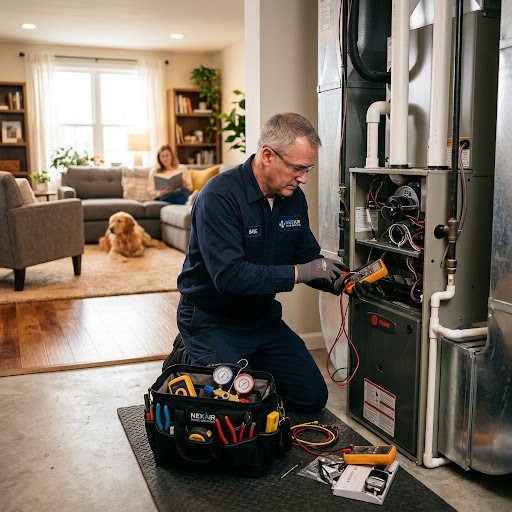
Fast, reliable heating repair that gets your home warm again without the stress of guesswork or hidden surprises starts with a full diagnostic check. Technicians inspect the thermostat, igniter, blower motor, filters, and electrical connections to pinpoint the exact issue rather than guessing at symptoms. From there, they’ll walk you through the findings, explain the recommended fix, and provide a clear cost estimate before any work begins.
This transparency matters. Nobody wants to be surprised by hidden fees or vague explanations when their home comfort is on the line. A trustworthy technician treats every visit as an opportunity to build confidence in the fix, not just complete a transaction.
Simple Habits That Extend Your Furnace’s Lifespan
While professional repairs handle the bigger issues, a few consistent habits can keep your system running smoothly between service visits:
- Replace filters every 1–3 months. Clean filters improve airflow and reduce strain on the system.
- Keep vents unobstructed. Furniture or curtains blocking vents force the furnace to work harder.
- Schedule annual inspections. Catching small problems early prevents costly emergency repairs later.
- Listen for changes. New sounds or smells are often the earliest warning signs of trouble.
These small steps won’t replace professional maintenance, but they go a long way toward preventing avoidable breakdowns.
Staying Warm Shouldn’t Be Complicated
A functioning heating system is one of those things that’s easy to take for granted until it stops working. The good news is that most furnace problems are fixable, especially when caught early and handled by experienced professionals who understand how these systems operate under real winter conditions.
If your furnace has been acting up, running inconsistently, or making noises that weren’t there last season, don’t wait for a complete breakdown to take action. NexAir Home Services is ready to help you diagnose the issue, walk you through your options, and get your home back to a comfortable temperature — often the same day you call.
Reach out to our team today and let’s make sure your heating system is ready for whatever the season brings.