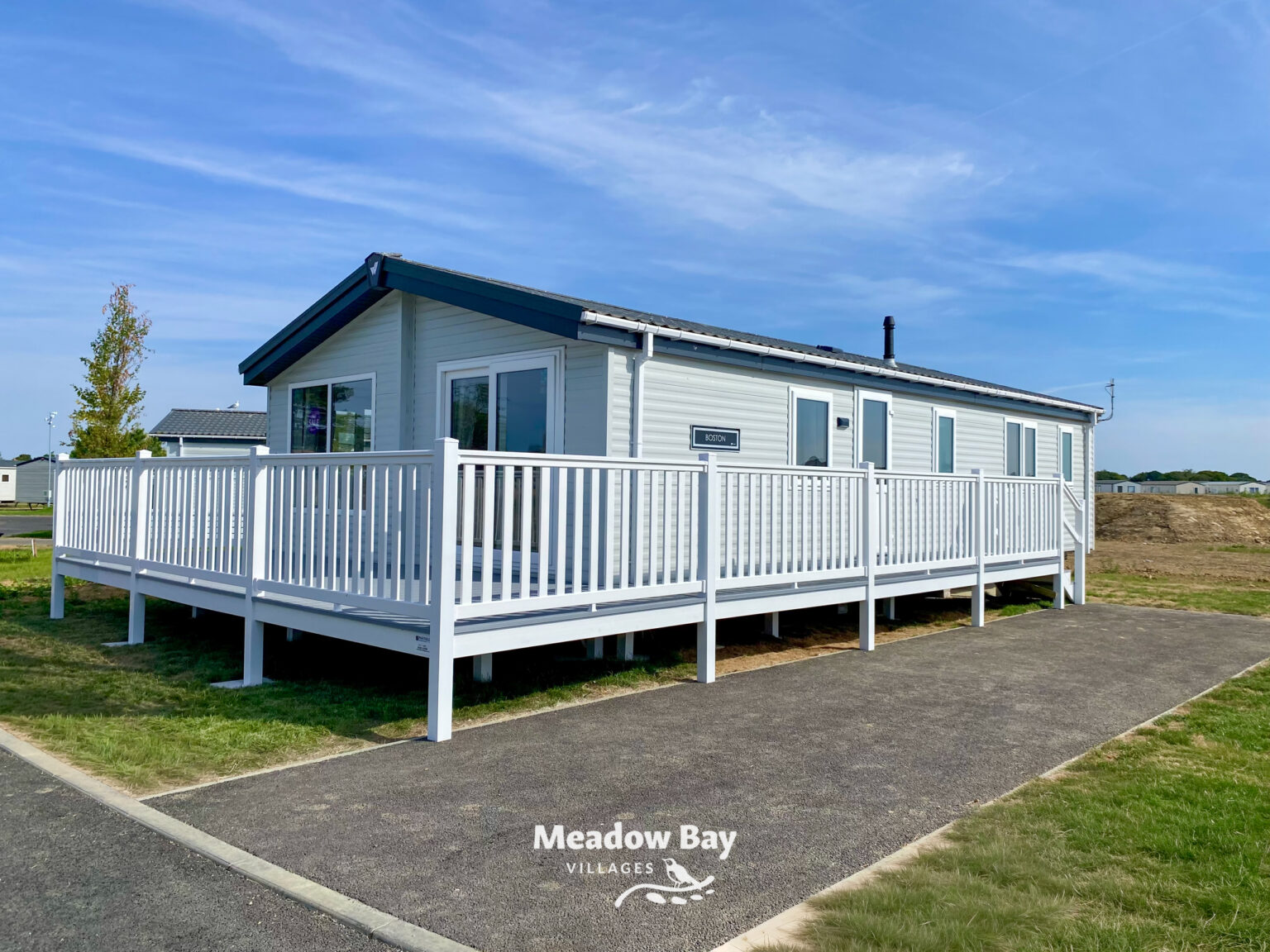
A luxury holiday lodge can seem like a simple way to enjoy more comfortable getaways. You discover a lovely place, select a chic lodge, and imagine you can spend weekends there without having to book a hotel every time. Then come the first bills that you don’t expect, and the numbers begin to change. That’s just a portion of the cost. Other costs may include pitch fees, utilities, insurance, maintenance, park fees, and eventual selling costs.
But it doesn’t mean that purchasing a lodge is a bad investment. It just means that you should be aware of the total expense before you make a decision. When you have a better understanding of those more hidden costs, it’ll be easier to compare your options.
So, where can those costs hide?
The following are five key hidden costs to consider before purchasing.
- Pitch Fees and Park Costs
While the lodge may be owned by you, the land under it is typically owned by the park itself. As a result, you generally pay an annual pitch fee for keeping the lodge on the site. This varies by park, location, and services offered.
This is one of the first annual numbers to explore when considering luxury holiday lodges for sale. But the current fee is just one part of the equation.
Ask:
- How often is the pitch fee reviewed?
- What services does it include?
- What factors can affect future increases?
- Are any maintenance or facility charges separate?
These questions uncover hidden expenses beyond the sale price that is offered. They also help you compare parks fairly.
- Utilities and Everyday Expenses
A luxury lodge often comes with more space, modern appliances, and additional comforts. Those features can make a stay more enjoyable, but they can also increase everyday running costs.
Electricity, gas, water, drainage, and other services may be charged separately. Heating deserves particular attention if you plan to use the lodge during colder months. Small recurring bills can add up across a full year.
Before buying, ask how utilities are charged. Find out whether supplies are metered and whether connection, administration, or seasonal charges apply.
Request examples of typical usage costs, too. Past bills cannot guarantee future expenses, but they can provide a more realistic starting point than guessing from the lodge’s size.
- Maintenance And Insurance
Even a well-built lodge needs regular care. Appliances need servicing, exterior areas need attention, and normal wear can eventually lead to repairs. Weather can also create extra maintenance needs, particularly around roofing, drainage, windows, and outdoor features.
Insurance is another expense that can disappear from view when attention stays focused on the purchase price. Some parks require appropriate cover, and the policy needs to match the lodge and its contents.
For a clearer budget, account for:
- Routine servicing
- Unexpected repairs
- Replacement of worn items
- Contents and specialist insurance
- Seasonal preparation or winter maintenance
A reserve for these expenses can make ownership costs easier to manage.
- Contract Charges and Park Restrictions
Not all hidden costs come in the form of a bill. In some cases, it begins with a provision in the park agreement that impacts the use, alteration, or disposition of the lodge.
The agreement can include conditions on changes, animals, renting out, parking, repairs, or contractors that are allowed, for instance. There may also be separate charges for some services. For this reason, a seemingly cheap lodge may end up costing more if these are not taken into account.
That is why it is important to read the purchase and license agreement carefully before signing it. The National Caravan Council and the British Holiday & Home Parks Association wrote in a joint statement that it is essential to understand the contractual documents, running costs, annual pitch fees and resale options before purchasing a holiday lodge.
A brief understanding of these terms can help you avoid nasty surprises.
- Depreciation and Selling Costs
The final hidden cost may appear when you decide to sell. A holiday lodge is generally a lifestyle purchase rather than a conventional property investment. Its resale value can be affected by age, condition, location, park demand, and the terms attached to the pitch.
You may also face costs connected with selling, transferring ownership, commission, transportation, or removing the lodge, depending on the agreement.
Before buying, ask:
- How are older lodges normally resold?
- Does the park charge any selling or transfer fees?
- Who handles the sale?
- Are there restrictions on private resale?
- What happens when the lodge reaches the end of its permitted period?
Knowing these details early gives you a clearer picture of the ownership journey, not just the first purchase.
Conclusion
Buying a luxury holiday lodge involves more than paying the advertised price. Pitch fees, utilities, insurance, maintenance, park charges, and depreciation can all change the real cost of ownership.
Avoid surprises by examining those expenses before signing. Ask for a complete breakdown, read the park agreement carefully, and consider annual costs alongside potential selling expenses. View the lodge as a lifestyle purchase rather than focusing only on its appearance or price. With that broader view, you can judge whether the lodge fits your budget and how you plan to enjoy it comfortably.