When it comes to keeping your home comfortable year-round, a well-functioning HVAC system is key. Many homeowners take their heating and cooling systems for granted—until something goes wrong. An aging HVAC unit can lead to not only discomfort but also increased energy bills and frequent repairs. Recognizing the signs that it’s time for an Hvac Installation can save you stress, money, and even health issues down the line.
Are you wondering if your current system is holding up? Let’s explore the warning signs of an aging HVAC system and discover how upgrading to a new model could benefit both your comfort and wallet. Whether you’re looking for better efficiency or just more reliable performance, knowing what to look out for will help you make informed choices about your home’s climate control needs. So let’s dive in!
The Importance of a Properly Functioning HVAC System
A properly functioning HVAC system is essential for a comfortable living environment. It regulates indoor temperature and humidity, ensuring you stay cozy during the winter chill and cool in the summer heat.
Moreover, an efficient HVAC system plays a crucial role in maintaining indoor air quality. Proper ventilation helps filter out pollutants, allergens, and dust particles that can affect your health.
Maintaining optimal energy efficiency is another significant aspect of a well-running HVAC unit. When your system operates as intended, it consumes less energy, which translates to lower utility bills.
In addition to comfort and cost savings, a reliable HVAC system enhances your home’s overall value. Prospective buyers often prioritize homes with updated heating and cooling systems when searching for their dream property. A strong performance from your HVAC unit not only benefits you but also makes your home more appealing for future occupants.
Warning Signs of an Aging HVAC System
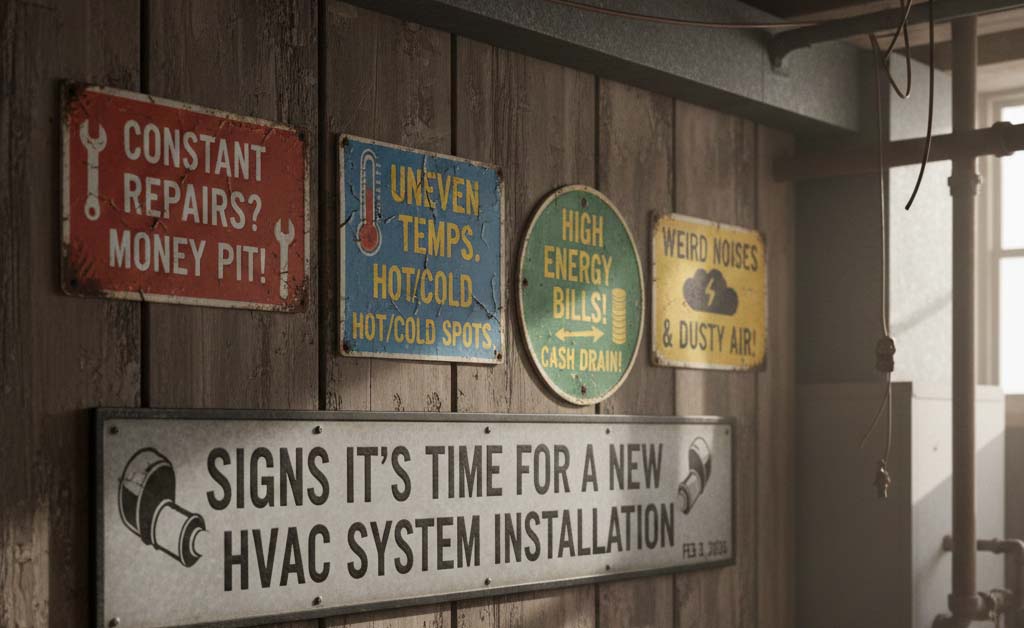
An aging HVAC system can silently disrupt your comfort at home. If you notice inconsistent temperatures between rooms, it might be a sign that your unit is struggling to distribute air efficiently.
Strange noises are another red flag. Unusual sounds like rattling or grinding often indicate mechanical issues within the system. Ignoring these could lead to more significant problems down the line.
Pay attention to rising energy bills as well; an inefficient HVAC system consumes more power than necessary. If you’re spending significantly more on heating and cooling than in previous years, it’s time for a closer look.
Frequent repairs signal trouble ahead. If you’re calling for service multiple times a year, those fixes add up quickly and may outweigh the cost of investing in new HVAC installation.
Benefits of Upgrading to a New HVAC System
Upgrading to a new HVAC system can significantly enhance your indoor comfort. Modern systems are designed with advanced technology, ensuring better temperature control and air quality.
Energy efficiency is another major benefit. Newer models consume less energy, which translates into lower utility bills. This not only saves you money but also reduces your carbon footprint.
With improved reliability, newer HVAC systems require fewer repairs than older units. They often come with extended warranties, providing peace of mind for homeowners.
Additionally, many new systems operate more quietly compared to their predecessors. You’ll appreciate the quieter environment while enjoying consistent heating or cooling throughout your home.
Smart features in modern HVAC systems allow for greater control over settings via mobile apps or smart home devices. This convenience enhances user experience and promotes efficient energy use based on real-time data.
Factors to Consider When Choosing a New HVAC System
When choosing a new HVAC system, start by assessing the size of your home. An oversized unit can lead to inefficiency, while an undersized one struggles to maintain comfort.
Next, consider energy efficiency ratings like SEER (Seasonal Energy Efficiency Ratio). Higher ratings mean lower energy bills and reduced environmental impact.
Don’t forget about the type of fuel you want to use. Options range from electricity and gas to heat pumps, each with its own advantages and drawbacks.
Evaluate additional features as well. Smart thermostats or variable-speed blowers enhance convenience and performance.
Think about maintenance requirements. A system that’s easy to service will save time and money in the long run. Balancing all these factors will help ensure you make a wise investment in your HVAC installation.
Tips for Finding the Right HVAC Installation Company
Finding the right HVAC installation company is crucial for a successful project. Start by seeking recommendations from friends and family. Personal experiences often lead to trustworthy insights.
Next, check online reviews and ratings. Websites like Google and Yelp can provide valuable feedback from previous customers. Look for companies with consistently high scores.
Verify credentials before making any commitments. Ensure that the contractor is licensed, insured, and bonded. This protects you in case of accidents or issues during installation.
Ask about experience in your specific type of system—whether it’s central air, ductless mini-splits, or heat pumps. An experienced installer will know the best practices for your situation.
Get multiple quotes but don’t choose solely based on price. Consider value over cost; sometimes higher-priced services deliver far better results in the long run.
Cost and Energy Efficiency Comparison: Repair vs Replacement
When deciding between repairing your existing HVAC system or opting for a new installation, cost plays a crucial role. Repairs can seem appealing initially, especially if they’re minor and inexpensive. However, frequent repairs often add up over time.
Aging systems tend to consume more energy due to inefficiencies. This means that even if you keep patching things up, your utility bills could remain high. Investing in a new HVAC system typically leads to lower monthly expenses.
Modern units are designed with technology that maximizes energy efficiency. They come equipped with smart features that adjust settings based on usage patterns. This not only saves money but also reduces the environmental impact.
Weighing immediate costs against long-term savings is essential when making this decision. Sometimes spending upfront on a replacement pays off significantly in reduced energy bills and fewer repair headaches down the line.
Conclusion
Your HVAC system plays a crucial role in your home’s comfort and overall efficiency. Recognizing the signs that it might be time for an HVAC installation can save you from higher costs down the road. Whether it’s strange noises, rising energy bills, or inconsistent temperatures, these warning signs shouldn’t be ignored.
Upgrading to a new HVAC system brings numerous benefits, including improved energy efficiency and enhanced indoor air quality. When selecting a new unit, consider factors like size, efficiency ratings, and features that meet your specific needs.
Finding the right installation company is also vital to ensure proper setup and longevity of your investment. Research local reputable contractors who specialize in HVAC installation; look for reviews and ask for recommendations from friends or family.
Weigh the cost-effectiveness of repairs versus replacement carefully. Sometimes investing in a new system may provide greater savings over time due to advancements in technology and increased energy efficiency.
Taking all these aspects into account will guide you toward making an informed decision about your next steps regarding hvac system installation. Your comfort depends on it!