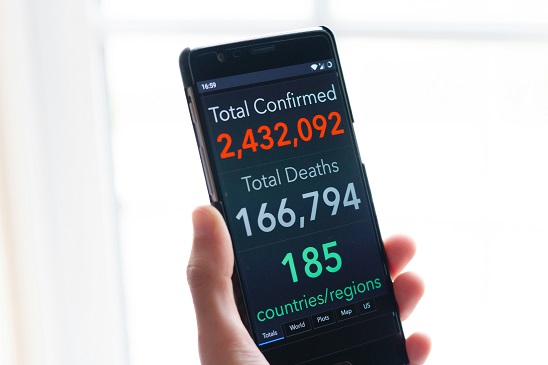
Global health crises worldwide have become a pressing concern in recent times, as various regions grapple with complex challenges that threaten both populations and healthcare systems. The emergence of infectious diseases, rising non-communicable diseases, and environmental health issues all contribute to the current landscape of global health. Additionally, the lasting impacts of the COVID-19 pandemic have compounded many existing health disparities, making it more critical than ever to assess the situation comprehensively. One of the most significant ongoing health crises is the resurgence of infectious diseases in many parts of the world. This includes not only the lingering effects of COVID-19 but also outbreaks of diseases such as measles, tuberculosis, and malaria. These diseases, often exacerbated by inadequate vaccination coverage and healthcare infrastructure, underline the need for immediate international response and collaboration. Such infections pose a considerable risk, especially to vulnerable populations lacking access to essential medical resources.
Furthermore, the prevalence of non-communicable diseases (NCDs) such as cardiovascular diseases, diabetes, and cancer continues to rise globally. NCDs often stem from lifestyle choices and socio-economic factors, creating a multifaceted public health challenge. Governments and health organizations are increasingly focusing on preventive measures and health education to mitigate these issues. Furthermore, environmental factors, including climate change and pollution, have added another layer of complexity, affecting public health outcomes in diverse ways.
In light of these various health crises, it is evident that a multifocal approach is necessary. Strengthening global health systems, improving access to care, and fostering international cooperation will be essential strategies to address both current and future public health challenges effectively. Through this exploration, we aim to underscore the urgency of unified action in response to these pressing health concerns.
COVID-19: Ongoing Challenges and Developments
The COVID-19 pandemic continues to present significant challenges and developments across the globe. As of October 2023, various new variants of the virus are emerging, leading to fluctuating infection rates in different regions. The most concerning among these variants are those that display increased transmissibility or exhibit resistance to the vaccines that have been developed. Continuous genomic surveillance is essential for identifying these variants and informing public health responses, which are crucial in managing the spread of the virus.
Vaccination efforts remain a cornerstone in combating COVID-19. Many countries have ramped up their vaccination campaigns, aiming to achieve high levels of immunity within their populations. Booster shots are being administered, particularly to vulnerable groups, in response to waning immunity and the emergence of new variants. Additionally, vaccine equity is a critical aspect of the global response; ensuring that low- and middle-income countries receive adequate supplies is vital for controlling the pandemic on a world scale.
Public health responses vary significantly by country, influenced by factors such as healthcare infrastructure, governmental policies, and public compliance with health measures. While some nations have effectively reduced case rates through strict lockdowns and comprehensive testing, others are facing surges in cases due to lax public health measures or vaccine hesitancy among the population.
The psychological and societal impacts of the pandemic cannot be overlooked. The extended duration of lockdowns and social distancing has resulted in increased rates of anxiety, depression, and other mental health disorders. Society is grappling with the repercussions of job losses, educational interruptions, and the strain on healthcare systems. Addressing these challenges is essential for a holistic recovery from the pandemic.
Emerging Infectious Diseases: Surveillance and Response
The world continues to face challenges from emerging infectious diseases, which pose significant health risks across populations. Recent outbreaks, such as monkeypox, illustrate the urgent need for robust surveillance and response systems. Emerging infectious diseases refer to infections that have newly appeared in a population, have existed but are rapidly increasing in incidence or geographic range, or are a result of antibiotic resistance.
Global health organizations play a pivotal role in monitoring these diseases. The World Health Organization (WHO) and the Centers for Disease Control and Prevention (CDC) are instrumental in developing strategies that assess the risk of outbreaks and implement effective response protocols. By utilizing global surveillance systems, these organizations can track the emergence and spread of infectious diseases, facilitating timely interventions. Enhanced collaboration among countries is essential to share critical data and resources that bolster these surveillance efforts.
Research also plays a critical role in managing emerging infectious diseases. Ongoing studies focus on identifying pathogens, understanding transmission dynamics, and developing vaccines and treatment options. This research is crucial, particularly for diseases that are zoonotic in nature, meaning they can be transmitted from animals to humans. Scientists continually assess wildlife populations and their health status to predict and mitigate disease spillover.
Moreover, the importance of surveillance systems cannot be overstated. These systems enable the global community to detect outbreaks quickly, understand their epidemiology, and respond effectively. Failure to implement adequate surveillance could lead to devastating public health outcomes, underlining the need for sustained investment in these systems. As we confront the possibility of new infectious diseases emerging, the commitment to enhancing global surveillance and response capabilities remains a public health priority.
Mental Health Crisis Intensifying Globally
The ongoing health crises worldwide, exacerbated by social isolation and economic downturns, have contributed to an alarming rise in mental health issues across various demographics. According to recent statistics from the World Health Organization, there has been a significant increase in mental health disorders following the onset of the COVID-19 pandemic. Reports indicate that anxiety and depression rates have nearly doubled, affecting millions globally. This trend underscores an urgent need for comprehensive responses to mental health challenges and resources.
The prolonged stressors associated with health emergencies, including fear of illness, loss of loved ones, and economic instability, have profound and lasting impacts on mental well-being. Vulnerable populations, including those with pre-existing mental health conditions, are particularly at risk. Children and adolescents, who are undergoing critical phases of psychological development, are also showing increased signs of distress. The global response to such an unprecedented situation necessitates innovative mental health interventions and accessible treatment options.
Despite the growing need for mental health support, many regions continue to experience underfunded and limited services. Calls for increased funding for mental health initiatives are gaining momentum as stakeholders emphasize the need for proactive measures. Availability of mental health resources often lags behind the rising demand, with inadequately trained professionals and a shortage of facilities compounding the problem. Increased investment in mental health services, including community outreach programs and telehealth options, is crucial to addressing this crisis effectively.
The mental health crisis demands immediate and sustained attention from governments, public health officials, and communities worldwide. As the world emerges from current health challenges, prioritization of mental health resources is essential to foster resilience, recovery, and overall societal well-being.
Healthcare Inequities Exposed by Health Crises
Health crises, such as epidemics and pandemics, have starkly illuminated the pre-existing inequities in healthcare access and outcomes across the globe. The disparities become glaringly evident during such emergencies, revealing how vulnerable populations are disproportionately affected. These groups often encounter a multitude of obstacles, including financial limitations, inadequate healthcare infrastructure, and systemic biases that contribute to poorer health outcomes.
Socioeconomic factors serve as significant determinants of health, with wealthier individuals typically enjoying better access to resources and medical care. Conversely, those from lower socioeconomic backgrounds frequently struggle to secure necessary healthcare, particularly during a health crisis when demand surges and healthcare systems become overstretched. During such times, preventive care often takes a backseat, leading to worsening health conditions for individuals already disadvantaged.
The impact of these health crises is pernicious, as marginalized communities often bear the brunt of the health risks associated with diseases and have limited access to necessary treatments. This situation prompts an urgent need for policy discussions aimed at mitigating such inequities. Steps must be taken to redress these gaps in access to care; this includes implementing targeted interventions, increasing funding for healthcare in underserved areas, and ensuring that policies are inclusive of diverse population needs. Addressing healthcare inequities not only requires systemic change but also an empathetic understanding of those affected. Only then can societies move towards a more equitable healthcare landscape, capable of weathering health crises more effectively in the future.
Vaccination Efforts: Successes and Challenges
The global vaccination landscape has evolved significantly over the past few years, with various countries implementing different strategies to enhance vaccination rates. As of early 2023, data indicates that the global vaccination rollout has seen impressive successes, with several vaccines developed at an unprecedented pace. Countries such as Israel and the United States reported initial vaccination rates exceeding 70%, highlighting efficient distribution networks and public willingness to receive vaccines.
However, this success is not uniform across the globe. Many regions, particularly in low-income countries, face significant challenges regarding vaccine access and distribution. Factors contributing to these disparities include inadequate healthcare infrastructure, limited supply of vaccines, and logistical problems in reaching remote areas. Additionally, vaccine hesitancy remains a pressing concern, fueled by misinformation and mistrust in health authorities. Surveys have shown that in regions like Eastern Europe and parts of Asia, acceptance rates can drop below 50%. This hesitancy complicates efforts to achieve herd immunity, crucial for controlling the spread of infectious diseases.
In response to these challenges, several innovative approaches have been adopted. For instance, countries such as India and Rwanda have utilized mobile vaccination units to reach underserved populations, while partnerships between governments and NGOs have helped streamline vaccine distribution. Community health workers play a vital role in these initiatives, providing education and addressing concerns that may deter people from getting vaccinated. Furthermore, digital tools are being harnessed to track vaccination progress and identify areas needing assistance.
The implications of low vaccination rates are profound, as they not only prolong the pandemic but also increase the likelihood of new variants emerging. Consequently, it is essential for nations to collaborate and share best practices to enhance global vaccination efforts and mitigate the impact of the ongoing health crisis.
Global Health Policies in Response to Crises
In recent years, numerous health crises have emerged, prompting a reevaluation of global health policies. These crises have brought to light the importance of international cooperation and the need for robust policy frameworks designed to manage and mitigate their impact. The effectiveness of these policies varies significantly based on the responsiveness and readiness of nations involved. Overall, a comprehensive analysis highlights both successes and areas for improvement in addressing worldwide health emergencies.
One notable example of international cooperation is the World Health Organization’s (WHO) initiatives, which have provided a structured approach to managing health emergencies. This includes protocols for reporting outbreaks, coordinating research, and ensuring equitable access to medical resources. Nations that effectively implemented WHO guidelines tended to experience a quicker stabilization of their public health landscapes during crises.
Furthermore, policy frameworks adopted by individual countries are crucial in delineating how health emergencies are navigated. Some nations have enacted legislation that empowers public health authorities to rapidly mobilize resources and implement targeted interventions. This proactive approach is essential in ensuring that health services remain intact and that vulnerable populations receive timely support.
However, experts recommend that further enhancements can be made. One key suggestion involves increasing funding for pandemic preparedness initiatives, which could significantly improve global health systems’ reaction to future crises. Additionally, fostering stronger alliances among countries through shared resources and knowledge can result in more standardized and effective responses to health emergencies.
In conclusion, the analysis of global health policies in response to crises reveals a need for ongoing collaboration, investment, and refinement of existing frameworks to build resilient health systems capable of enduring future challenges.
The Role of Technology in Addressing Health Crises
In recent years, technology has emerged as a critical ally in combating global health crises. From telehealth services to advanced data tracking tools, the integration of technological innovations into healthcare systems has transformed response strategies significantly. Innovations are enabling healthcare providers to deliver timely and efficient services, even in the most challenging circumstances.
Telehealth services have gained prominence, especially during the COVID-19 pandemic. This approach allows patients to consult healthcare professionals remotely, reducing the need for in-person visits. By utilizing video conferencing and mobile health applications, individuals can access medical advice, diagnoses, and prescriptions from the comfort of their homes. This not only enhances patient safety during health emergencies but also alleviates pressure on overwhelmed healthcare facilities.
Furthermore, data tracking tools have revolutionized public health surveillance. Technologies such as Geographic Information Systems (GIS) and big data analytics are employed to track the spread of diseases effectively. During outbreaks, health authorities can analyze data in real-time, allowing for more informed decision-making and targeted interventions. For instance, the use of contact tracing apps has proven essential in identifying potential exposure and curbing transmission rates.
Advancements in research facilitated by technology also play a key role in addressing health crises. Artificial intelligence and machine learning are being harnessed to identify patterns in large datasets, ultimately guiding vaccine development and drug efficacy studies. These technologies streamline the research process, making it faster to respond to emerging health threats.
As we move forward, the synergy between technology and healthcare will continue to shape the response to health crises. The ongoing evolution of these tools promises to enhance resilience, improve patient outcomes, and ultimately safeguard public health during unforeseen emergencies.
Looking Ahead: Preparedness for Future Health Challenges
As nations confront the various health crises emerging globally, it is imperative to pivot towards a future that emphasizes resilience and adaptability in healthcare systems. The lessons learned from the current health challenges can serve as a blueprint for preparedness, ensuring that the world is better equipped to tackle similar threats in the future.
One of the fundamental aspects of future health crisis preparedness lies in the necessity for global collaboration. In light of the interconnectedness that characterizes our world today, it is essential that countries work together to share resources, knowledge, and effective strategies. Collaborative efforts can enhance the collective response to health emergencies, ultimately leading to faster containment and resolution of crises.
Investment in healthcare infrastructure is another crucial factor. Countries must allocate sufficient resources toward strengthening health systems, which includes bolstering capacities in diagnostics, therapeutics, and vaccination. Such investments not only enhance immediate response capabilities but also contribute to long-term public health improvements, making systems more resilient against future threats.
Public awareness and education play significant roles in crisis preparedness as well. By fostering a well-informed populace, governments can ensure that individuals understand the importance of vaccination, hygiene practices, and adherence to public health guidelines during crises. Moreover, creating platforms for open communication can alleviate misinformation, empowering citizens to actively participate in health initiatives.
In conclusion, by learning from the current health challenges, we can form a multifaceted approach to future health risks. Through global collaboration, strategic investments in healthcare, and enhanced public awareness, societies can significantly improve their readiness for upcoming health crises. This proactive stance will not only safeguard individual communities but also strengthen the global health framework as a whole.