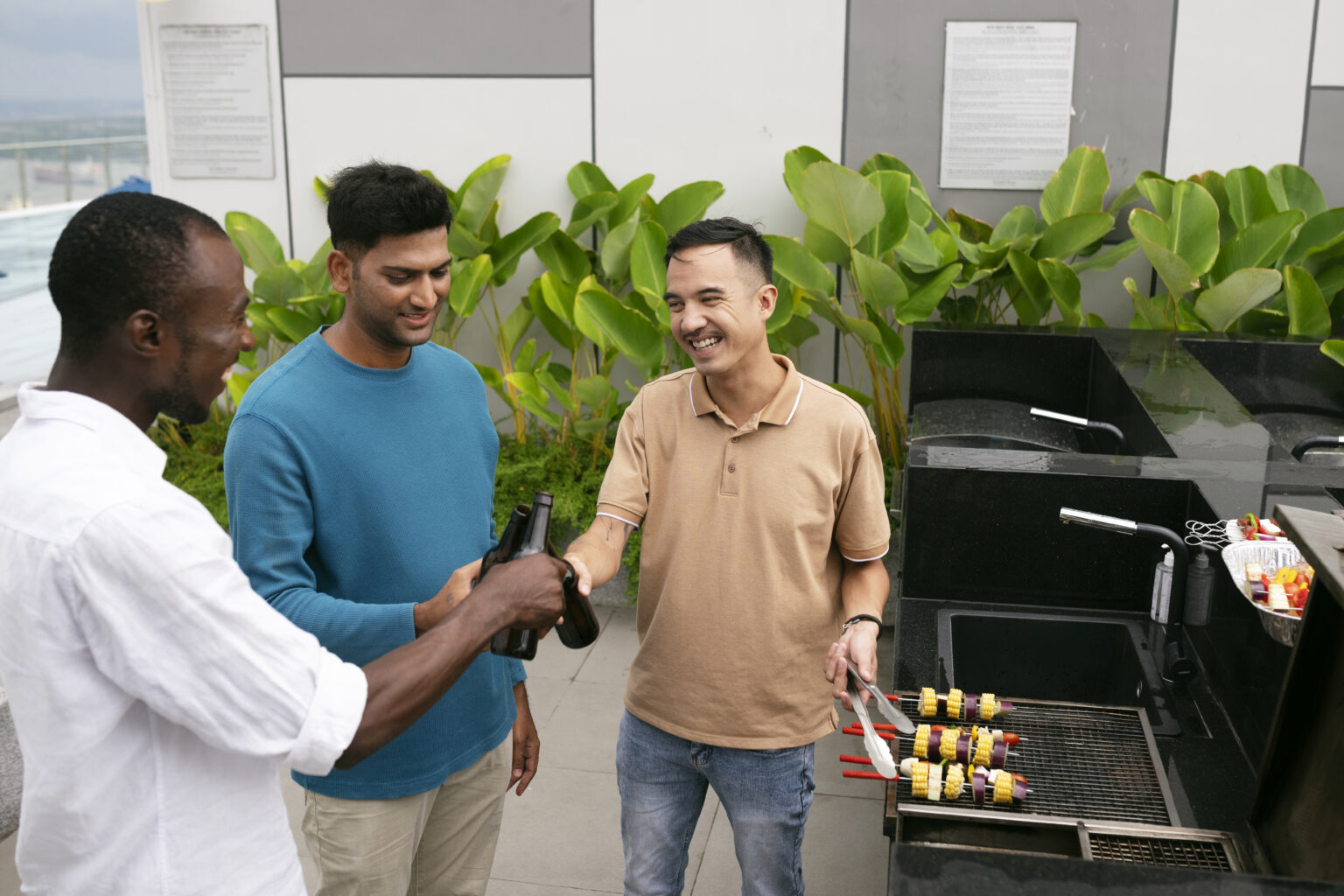
The barbecue rarely fails because of the food. It fails because half the guest list is stuck circling the wrong car park, someone’s phone died before they screenshotted the address, and the burgers have been sitting out for forty minutes longer than anyone planned.
Anyone who has hosted more than a handful of outdoor gatherings knows the real work happens before the first plate is filled. Sorting arrivals, timing the grill, and keeping food out of the danger zone all hinge on the same thing: knowing where people actually are.
Get everyone to the right spot, without the group chat spiral
A scattered group text with three different addresses and a pin dropped in the wrong park is how half your guests end up forty minutes late. Apps built for group location sharing solve a narrower problem than most people expect: not where everyone is in general, but who is five minutes out and who is still parking. That distinction changes once you start plating food.
Hosts who track arrivals this way tend to stagger cooking rather than front-load it, which matters more than it sounds. Grilling in batches as guests land keeps food fresher and cuts the awkward wait where early arrivals hover near a cooler that isn’t open yet.
Food safety doesn’t pause for late guests
Perishable food left out too long is the quiet risk of every outdoor event, and it has nothing to do with how good the recipe is. USDA guidance puts a firm limit on it: perishable dishes should not sit out more than two hours, or one hour once the temperature climbs past 32°C, a threshold laid out in its Danger Zone guidance. Grills carry their own separate risk profile: the NFPA’s Home Grill Fires report shows July as the peak month for reported home fires involving grills.
| Outdoor temperature | Safe time for perishable food | What to do |
| Below 32°C | Up to 2 hours | Refrigerate or discard after the limit |
| Above 32°C | Up to 1 hour | Move food into a cooler with ice immediately |
| Packed cooler with ice | Up to 4 hours | Check and top up ice regularly |
That two-hour window is also why staggering cook times around actual arrivals, rather than a guessed schedule, saves food rather than wasting it. Grilling everything the moment the first guest shows up just means more sits out waiting for the group.
Match the menu to how the day actually unfolds
A cookout menu built for a fixed start time falls apart the moment arrivals spread across an hour. Dishes that hold up well over a longer window, rather than ones that need to be served the second they come off the heat, make the whole afternoon less stressful. A garlic butter grilling staple reheats and holds better than delicate seafood, and a feta and mint side dish actually improves after twenty minutes at room temperature as the flavours settle.
Building a menu around dishes with some flexibility in timing takes pressure off the person running the grill, who is usually also the one checking their phone for who is still ten minutes out.
The logistics are the hosting
Guests remember whether the food was warm and whether they found the place without three phone calls, not whether the recipe was ambitious. Treating arrival coordination and food timing as part of the same planning problem, rather than separate tasks, is what actually separates a relaxed afternoon from a scramble. Next time the invite goes out, plan the timing of the food around when people will actually show up, not when the invite said to arrive.