Your roof works quietly in the background of your daily life, shielding you from storms, sun, and the everyday wear that comes with each passing season. But like any part of your home, it has a lifespan. Knowing when to repair versus replace can save you thousands of dollars and prevent structural damage down the road.
Many homeowners put off addressing roof issues until a leak forces the issue. By then, water may have already damaged insulation, drywall, or even the framing underneath. Understanding the early warning signs and knowing what a quality replacement involves puts you back in control.
This guide walks through the telltale signs of roof failure, why timing your project matters, and what a trustworthy roofing team should offer from start to finish.
What Are the Warning Signs That Your Roof Needs Attention?
Not every roofing issue is obvious from the ground. Some signs are subtle, while others are impossible to miss. Here’s what to watch for:
- Curling or missing shingles: Shingles that curl at the edges or have gone missing entirely expose your roof deck to moisture.
- Granules in the gutter: Finding sandy, gritty debris in your gutters means your shingles are breaking down.
- Daylight in the attic: If you can see light coming through the roof boards, water can get in just as easily.
- Sagging areas: A roofline that dips or sags indicates a structural problem that needs prompt attention.
- Rising energy bills: Poor insulation caused by roof damage often shows up as unexpectedly high heating or cooling costs.
Catching these signs early gives you more options and, often, a lower total cost.
Why Does Timing Matter So Much for Homeowners?
Roofing problems rarely stay the same size. A small leak today can become a much bigger structural issue in six months, especially through a rainy season or harsh winter. Waiting too long often means paying for water damage repair, mold remediation, and roof work all at once, rather than a single, planned project.
There’s also a seasonal advantage to consider. Scheduling work during moderate weather months tends to be smoother and faster, since roofing materials install best in stable temperatures. Homeowners who plan ahead, rather than reacting to an emergency, typically have more flexibility with scheduling, material selection, and budget.
What Should You Expect From a Professional Roofing Team?
A dependable roofing contractor does more than swap out old shingles for new ones. The process should start with a thorough inspection, not just of the visible roof surface, but of the decking, flashing, ventilation, and attic insulation underneath.
At Alpine Roofing, every project begins with a detailed assessment so homeowners understand exactly what’s happening beneath the surface before any work begins. From there, a clear, itemized estimate should outline material options, labor costs, and an honest timeline. Transparency at this stage prevents surprise costs later and helps you make an informed decision.
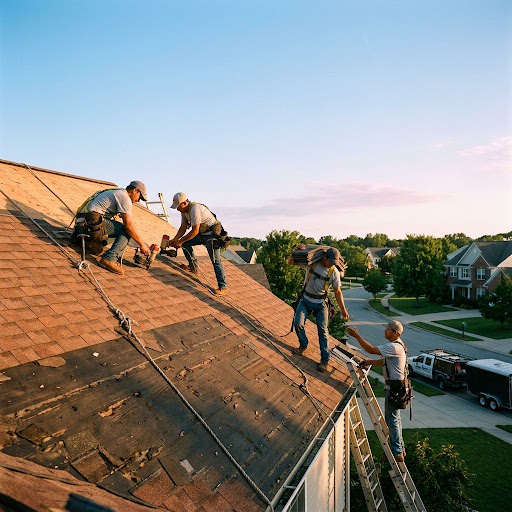
During installation, look for a crew that protects your landscaping, cleans up debris daily, and communicates clearly about progress. A quality job also includes proper ventilation and flashing work, details that are easy to overlook but critical for the long-term performance of your roof.
How Do You Choose the Right Materials for Your Home?
Material choice affects everything from upfront cost to how long your roof lasts and how well it performs in your specific climate. A few common options include:
- Asphalt shingles: Affordable, widely available, and suitable for most climates, with a typical lifespan of 20 to 30 years.
- Metal roofing: Highly durable and energy-efficient, often lasting 40 to 70 years, though it comes with a higher upfront cost.
- Wood shakes: Offer a distinctive, natural look but require more maintenance and aren’t ideal for fire-prone areas.
- Tile or slate: Extremely long-lasting and attractive, best suited for homes with structural framing that can support the extra weight.
The right choice depends on your budget, your home’s architecture, and how long you plan to stay in the house. A knowledgeable contractor can walk you through the tradeoffs so you land on the material that fits your specific situation.
Ready to Protect Your Home for Decades to Come?
Roof replacement is the foundation of a stronger, longer-lasting roof, and it starts with the right team handling every detail of the project. From the first inspection to the final walkthrough, the focus remains on quality materials, skilled craftsmanship, and clear communication every step of the way.
Whether you’ve noticed a few missing shingles or you’re planning ahead for a full replacement, Alpine Roofing brings the experience and attention to detail needed to get it right the first time. A well-installed roof isn’t just a repair, it’s an investment in your home’s safety, comfort, and value for years to come.
If your roof is showing signs of wear, don’t wait for a small problem to become a costly one. Reach out to Alpine Roofing today for a thorough inspection and a straightforward estimate, so you can move forward with confidence.
Frequently Asked Questions
How long does a typical roof replacement take?
Most residential roof replacements take one to three days, depending on the size of the home, the material chosen, and weather conditions.
How much does it cost to replace a roof?
Costs vary widely based on square footage, material, and roof complexity, but homeowners can expect a broad range depending on these factors. A detailed, in-person estimate is the most accurate way to know your specific cost.
Can I replace just part of my roof?
In some cases, partial replacement is possible if damage is isolated to one section. However, mismatched materials and aging differences can affect the roof’s overall appearance and performance, so a full inspection helps determine the best approach.
What’s the best time of year to replace a roof?
Moderate weather seasons, like spring and fall, tend to offer the most reliable installation conditions, though reputable roofing teams can often work around most weather windows when needed.