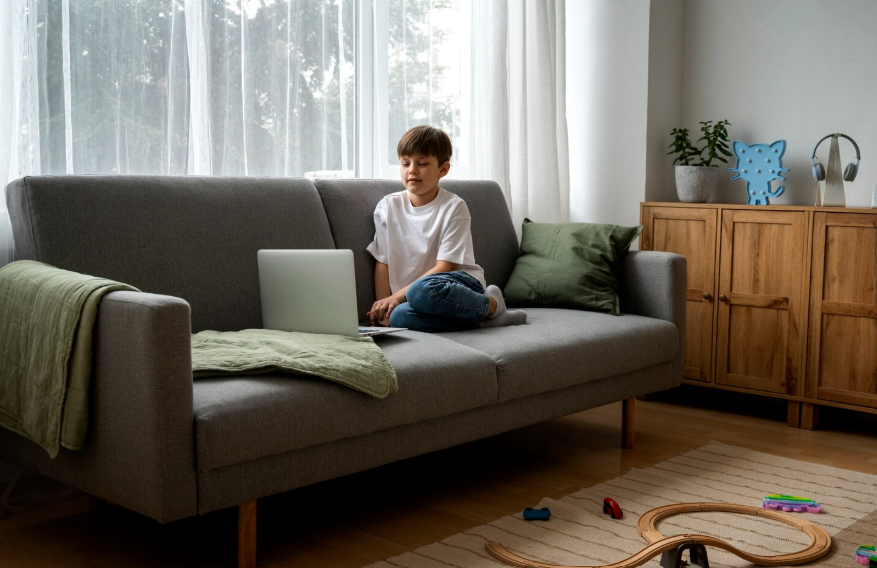
“There’s nothing to do” has to be one of the most repeated phrases in any household with teenagers. Yet a phone and a couch aren’t the only options when boredom strikes indoors.
Good indoor activities for teens don’t need expensive equipment or constant supervision. They just need a little structure, some variety, and enough novelty to hold attention longer than five minutes.
Why Teens Get Bored Faster Than Younger Kids
Younger children can happily play with the same toy for an hour. Teenagers are wired differently. Their brains are seeking stimulation, independence, and social connection, which is why scrolling often becomes the default when nothing else is planned.
Developmental researchers note that adolescent brains show heightened sensitivity to novelty and reward, which partly explains why repetitive activities lose appeal quickly.
Understanding this helps explain why variety matters more for teens than for younger siblings.
Creative Projects That Don’t Feel Childish
Teens tend to reject anything that feels “for kids.” The trick is offering activities with a bit of edge or personal expression.
- Start a playlist-based art project, drawing or painting while listening to music
- Try digital design using free tools like Canva
- Write and edit short videos for personal projects, not necessarily social media
- Learn basic photography using just a phone camera
These options work well because they combine creativity with independence, something teens naturally gravitate toward.
Skill-Building Activities That Actually Interest Teens
Boredom is a decent opportunity to pick up a skill that feels useful, not just fun.
Free Online Courses
Platforms like Khan Academy and Coursera offer free courses on topics ranging from coding to personal finance, ideal for teens who want to build something resume-worthy.
Learning an Instrument
Free tutorials on YouTube make it possible to start learning guitar, piano, or even production software without paid lessons.
Cooking or Baking
Following a recipe teaches patience and independence, and it results in something tangible, which teens often find more satisfying than passive entertainment.
Active Indoor Options for Restless Energy
Not every teen wants to sit still, especially after a full day at school.
| Activity | Time Needed | Equipment |
| Home workout routine | 20–30 mins | None or light weights |
| Dance videos | 15–20 mins | None |
| Yoga or stretching | 10–20 mins | Mat (optional) |
| Indoor obstacle challenge | 15 mins | Household items |
Physical activity, even indoors, has been linked to improved mood and reduced anxiety in teens, according to guidance published by the Centers for Disease Control and Prevention.
Social Activities That Don’t Require Going Out
Isolation is one of the biggest complaints teens have about staying home, but socializing doesn’t always require leaving the house.
- Host a game night with board games or card games
- Set up a group video call for a shared activity, like watching a show together
- Try cooperative video games with friends online
- Organize a DIY project night with siblings or friends
For a broader list of options that cover different age groups and interests, there’s a solid roundup of indoor activities for teens worth checking when the usual ideas run dry.
Low-Key Activities for Downtime
Sometimes teens just want to unwind without much effort involved.
- Reading a book or graphic novel
- Listening to a podcast on a topic they’re curious about
- Journaling or free writing
- Organizing their room or personal space
Quiet activities like these can help teens decompress, especially after academically or socially demanding days.
Expert Tip: Let Teens Choose, Don’t Assign
One common mistake parents make is picking the activity for their teen. Motivation drops fast when something feels forced. Offering a short list of options and letting them choose tends to work far better than a top-down suggestion.
Pros and Cons of Indoor Activities for Teens
Pros:
- Low cost or completely free
- Builds independence and creativity
- Reduces reliance on screens
- Flexible around school schedules
Cons:
- May require initial encouragement to get started
- Some activities need basic supplies
- Less social exposure than outdoor group activities
Balancing indoor projects with occasional outdoor time or in-person hangouts generally works best for overall wellbeing.
Frequently Asked Questions
What can teens do at home when they’re bored?
Creative projects, skill-building courses, home workouts, and social activities like game nights all work well. Variety matters more for teens than repetition.
How much screen time is too much for teens?
The American Academy of Pediatrics suggests consistent limits on recreational screen time, though exact guidelines vary by age and individual circumstances. Balancing screen use with offline activities is generally recommended.
Are online courses good for teenagers?
Yes. Reputable platforms like Khan Academy and Coursera offer free, structured lessons created by real educators, making them a legitimate option for skill-building.
What indoor activities help with teen anxiety?
Physical movement, journaling, and creative outlets like art or music have been associated with reduced stress levels in adolescents.
How can parents encourage teens to try new activities?
Offering choices instead of assignments, and modeling interest in similar activities, tends to increase engagement more than direct instructions.
Wrapping Up
Boredom doesn’t have to mean an idle afternoon glued to a screen. With a mix of creative, active, social, and low-key options, teens can turn empty hours into something worth remembering.
Try letting your teen pick two or three activities from this list for the week and see which ones stick.