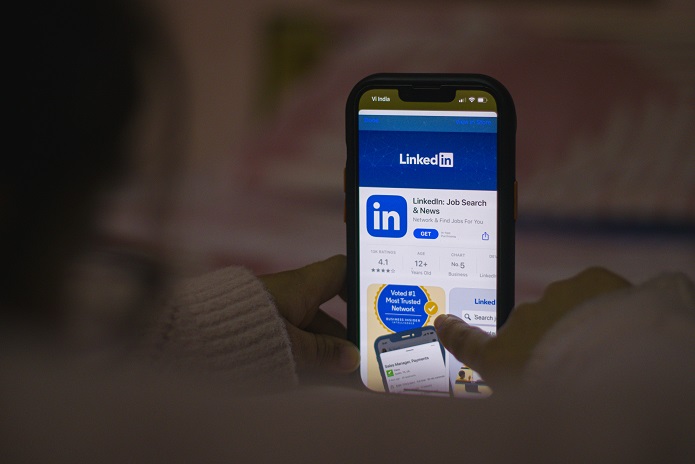
LinkedIn for Business has emerged as a pivotal professional networking platform, playing a crucial role in business growth and development. Unlike other social media platforms, LinkedIn is specifically designed for professionals, making it an invaluable tool for businesses aiming to expand their reach and enhance their visibility. This platform offers an array of features tailored to foster professional relationships and facilitate meaningful connections between businesses and their target audiences. One of the standout features of LinkedIn is its ability to connect businesses with potential clients, partners, and industry peers. By optimizing profiles and sharing relevant content, companies can showcase their expertise and services effectively. This exposure not only attracts new customers but also positions organizations as industry leaders. The platform’s algorithm prioritizes professional content, ensuring that updates, articles, and posts are seen by individuals actively looking to engage with businesses in their field.
LinkedIn also serves as a rich source for leads and talent acquisition. Businesses can utilize advanced search filters to identify potential clients or recruits who align with their values and objectives. Additionally, participating in relevant groups and discussions helps organizations build authority in their areas of expertise while simultaneously expanding their professional network.
Moreover, LinkedIn provides analytics tools that allow businesses to monitor engagement with their content and adjust strategies accordingly. This data-driven approach enables organizations to refine their methods continuously, ensuring that marketing efforts are efficient and effective.
In conclusion, leveraging LinkedIn effectively can lead to significant business growth by enhancing visibility, facilitating professional relationships, and providing strategic insights. The platform’s unique features make it an essential component of any business’s marketing strategy as they seek to thrive in a competitive landscape.
Creating an Impactful LinkedIn Profile
Crafting a compelling LinkedIn profile is essential for individuals and businesses looking to enhance their online presence and establish credibility in their respective industries. The key elements that contribute to an impactful profile are numerous, each playing a distinctive role in attracting potential clients or partners.
To begin with, selecting a professional photo is crucial. A clear, high-quality image helps to create a positive first impression. Profiles with professional photos receive significantly more profile views and connection requests than those without. It is recommended that the photo should reflect the industry standards while also establishing a relatable persona.
Next, writing an engaging headline is equally important. This brief phrase appears next to your name and is one of the first things viewers will see. It should succinctly describe your role and highlight your unique selling points. Including relevant keywords can enhance discoverability, making it easier for potential partners and clients to find you in LinkedIn searches.
The summary section offers a great opportunity to elaborate on your professional story. This narrative should provide insights into your career journey, key achievements, and professional philosophy. Furthermore, incorporating essential keywords naturally into the summary can optimize the profile’s visibility while maintaining engaging content.
Another significant aspect of a LinkedIn profile is showcasing skills. Listing relevant skills not only reflects your areas of expertise but also allows others to endorse you, further enhancing your credibility. Focus on crucial skills applicable to your industry and update them regularly to mirror your evolving professional landscape.
Finally, obtaining recommendations from colleagues, clients, or partners can substantially boost your profile’s authenticity and trustworthiness. These testimonials serve as social proof, showcasing your capabilities and reinforcing your professional standing. By focusing on these elements, individuals and businesses can create a robust LinkedIn profile that effectively contributes to their business growth.
Building Your Network Effectively
In the realm of professional networking, LinkedIn has emerged as a quintessential platform for fostering business relationships. Effectively expanding your network on LinkedIn is not merely about accumulating connections; it requires a strategic approach to ensure meaningful interactions and opportunities. One of the initial steps in this journey is to identify and connect with industry leaders.
Begin by conducting thorough research on prominent figures within your sector. This includes executives, thought leaders, and influencers who have a proven track record. Utilize LinkedIn’s search functionality to find these individuals and make a connection request. However, it is paramount to personalize each connection request. A simple template can diminish your chances of acceptance. Instead, mention a recent article they published, a shared interest, or mutual connections. Such specificity not only demonstrates your genuine interest but also increases the likelihood of them embracing your invitation.
Furthermore, connecting with clients and potential partners is critical for business growth. To do this, engage with their content by liking, commenting, or sharing their posts to establish visibility and rapport before initiating a connection. Once established, consider sending a message that introduces your business and expresses how you can provide value to their endeavors.
Additionally, joining relevant industry groups can significantly enhance your networking efforts. Groups serve as platforms for dialogue, allowing members to share insights, seek advice, and offer solutions. By actively participating in these discussions, you can position yourself as a knowledgeable resource and expand your connections organically. Ultimately, building a robust network on LinkedIn necessitates a balance of proactive engagement, personalized communication, and active participation in community discussions.
Sharing Valuable Content
To optimize the use of LinkedIn for business growth, sharing industry-relevant content is crucial. It not only positions your brand as a thought leader but also fosters engagement and connection with your audience. High-quality content that resonates with your target demographic can significantly enhance your professional reputation and encourage followers to interact with your posts.
When determining which type of content to share, focus on materials that appeal to your audience’s interests and needs. This could include insights into industry trends, case studies, informative articles, or expert opinions. Additionally, consider sharing your original blog posts or whitepapers, as they demonstrate your expertise in the field. Visual content, such as infographics or videos, often captures attention more effectively than text alone, so integrating such formats can improve engagement metrics.
Establishing an effective posting frequency is equally important. Posting consistently can help maintain visibility in your followers’ feeds. A good rule of thumb is to share content at least two to three times a week, allowing for a steady presence without overwhelming your audience. Always be mindful to space posts appropriately to avoid diluting their impact.
Engagement should be a reciprocal process; actively respond to comments on your posts and engage with the content shared by others in your network. Liking, commenting, and sharing relevant posts are effective ways to reinforce your brand presence and build relationships. Engaging with your audience not only helps to create a sense of community but also humanizes your brand, making it more approachable and relatable.
Utilizing LinkedIn Groups for Engagement
LinkedIn groups represent an invaluable resource for businesses looking to enhance their visibility and foster engagement within their target audience. These virtual communities facilitate discussions among like-minded professionals, allowing for the sharing of insights and networking opportunities. To effectively leverage LinkedIn groups for business growth, the first step involves identifying the right groups to join.
To find suitable groups, utilize LinkedIn’s search functionality by entering keywords relevant to your industry or business niche. This will yield a list of groups that cater to your interests and demographic. Look for groups with active discussions, a considerable number of members, and those that are moderated effectively. An ideal group should align with your business goals and allow you to connect with potential leads or partners.
Once you have identified the right groups, the next phase is active participation. Engage in discussions by commenting on posts, answering questions, and providing value through your expertise. It is essential to foster relationships with other group members by being consistent, respectful, and informative. Remember, the goal is not to overtly promote your business but to create a presence that encourages members to view you as a trusted resource.
Additionally, sharing relevant content within these groups can significantly position your business as a valuable thought leader. This may include articles, case studies, or industry news, helping to initiate discussions and pique interest in your professional perspective. The key is to ensure that all shared content is beneficial and aligns with group guidelines.
In conclusion, actively engaging in LinkedIn groups can significantly contribute to your business’s growth. When utilized effectively, these platforms can amplify your reach, enhance networking opportunities, and establish your brand within your industry.
LinkedIn Ads: A Guide to Advertising on the Platform
LinkedIn has emerged as a powerful platform for businesses aiming to expand their reach and drive growth through targeted advertising. The various advertising options available on LinkedIn allow companies to tap into a professional audience, making it a unique channel for brand promotion. Advertisers can utilize different ad formats, including Sponsored Content, Message Ads, and Dynamic Ads, each catering to different marketing objectives.
Sponsored Content appears directly in the news feed, allowing businesses to promote their posts while blending seamlessly with organic content. This format can enhance visibility and engagement, particularly when sharing industry-related insights or company news. Message Ads empower businesses to send personalized messages directly to the LinkedIn inboxes of their target audience, which can foster deeper connections. Dynamic Ads, on the other hand, offer personalized experiences by automatically customizing ad creatives based on user profile data, making them highly relevant.
Targeting options on LinkedIn are robust, enabling companies to reach specific demographics based on criteria such as industry, job title, company size, and location. This level of targeting supports highly tailored messaging, which can significantly improve the effectiveness of ad campaigns. Moreover, the platform’s analytics tools provide valuable insights into campaign performance, allowing for real-time adjustments to strategy.
The benefits of investing in paid advertising on LinkedIn are substantial. LinkedIn Ads can generate high-quality leads due to the professional nature of its user base. Moreover, businesses can achieve greater brand awareness and establish authority within their industry. To optimize ad campaigns for effective business growth, it is crucial to continuously analyze performance metrics and refine targeting strategies based on audience engagement trends. Engaging creatives and compelling calls-to-action (CTAs) should also be prioritized to maximize conversion rates.
Measuring Success on LinkedIn
In today’s digital landscape, understanding the effectiveness of your LinkedIn activities is paramount for driving business growth. To accomplish this, tracking key performance indicators (KPIs) is essential. Engagement rates serve as a fundamental metric, reflecting how well content resonates with your audience. Monitoring likes, comments, shares, and post interactions allows businesses to gauge both the quality and relevance of their postings.
Follower growth is another crucial KPI that indicates the expanding reach of your business. A consistent increase in followers signifies that your brand is attracting interest and potential clients. By assessing follower demographics, companies can tailor their content strategies more effectively to align with their audience’s preferences.
Lead generation stands out as a pivotal metric for determining the success of LinkedIn initiatives. Businesses should track the number of inquiries, sign-ups, or conversions resulting from LinkedIn activities. Utilizing LinkedIn’s varied tools such as Lead Gen Forms can streamline this process, enabling direct capture of leads through specific campaigns.
Additionally, leveraging LinkedIn analytics equips businesses with invaluable insights into how audiences engage with their profile and content. Through the analytics dashboard, businesses can analyze post performance, audience demographics, and traffic sources. These insights allow for informed strategic adjustments, ensuring your approach remains effective and relevant over time.
In conclusion, evaluating performance on LinkedIn through engagement rates, follower growth, and lead generation provides a comprehensive understanding of business activities’ effectiveness. By utilizing available analytics tools, organizations can optimize their strategies, fostering sustained growth within this influential platform.
Best Practices for LinkedIn Etiquette
LinkedIn has established itself as a vital platform for professionals seeking to advance their business growth. As such, adhering to proper etiquette on this network is essential for fostering positive relationships and maximizing engagement opportunities. This section outlines key dos and don’ts that should guide your interactions on LinkedIn.
First, always prioritize thoughtful communication when reaching out to connections. A personalized message that references shared interests or mutual acquaintances can significantly enhance the likelihood of a favorable response. Generic connection requests are often overlooked and can be seen as insincere. Take the time to introduce yourself and articulate your intent clearly.
Respecting boundaries is equally important in maintaining a professional atmosphere. While it is acceptable to connect with individuals in your industry or field, avoid overwhelming your connections with constant messages or requests. It is crucial to be mindful of their time and preferences, ensuring that your interactions are mutually beneficial rather than one-sided.
Engagement with shared content is another area where etiquette is fundamental. When commenting on or sharing posts, focus on providing value rather than simply stating agreement or praise. Constructive feedback or additional insights can invigorate conversations, showcasing your expertise and willingness to engage thoughtfully with others. Furthermore, remember to acknowledge the contributions of others, as this fosters goodwill and signals respect for diverse perspectives within your network.
Maintaining professionalism at all times is a cornerstone of effective LinkedIn usage. This includes being cautious about the types of content you share, as well as avoiding controversial topics that do not align with your professional agenda. Uphold a suitable tone in all communications to reflect your commitment to business ethics and standards, ensuring a consistent positive representation of your personal brand. By embracing these best practices for LinkedIn etiquette, you set the stage for meaningful networks and fruitful business growth.
Conclusion and Future Trends in LinkedIn Marketing
As we have explored throughout this discussion, LinkedIn serves as a powerful platform for business growth, offering unique opportunities for networking, branding, and lead generation. The importance of leveraging LinkedIn’s tools and features cannot be overstated; it allows businesses to connect with potential clients, industry influencers, and like-minded professionals, ultimately driving growth and success. By developing a strong LinkedIn presence, companies can enhance their visibility and credibility in their respective industries.
Moreover, the need for strategic content creation is paramount in making the most of LinkedIn. Businesses should focus on producing valuable, engaging content that resonates with their target audience. This includes utilizing LinkedIn articles, sharing industry insights, and even participating in relevant discussions within the platform’s groups. By doing so, companies can position themselves as thought leaders, fostering relationships that can lead to substantial business opportunities.
Looking toward the future, there are several emerging trends within LinkedIn marketing that businesses need to consider. Firstly, the integration of artificial intelligence and data analytics will likely play a vital role in enhancing user experiences and targeted advertising efforts. Companies can expect increased personalization in their marketing strategies, as AI can provide insights into user behavior and preferences. Additionally, video content is on the rise, and businesses should capitalize on this medium to capture audience attention and communicate their message effectively.
In conclusion, embracing these trends while continuing to focus on relationship-building and content quality will be essential for success on LinkedIn. As the platform evolves, businesses must adapt their strategies to stay ahead in the ever-changing digital landscape and leverage LinkedIn as a vital component of their business development efforts.