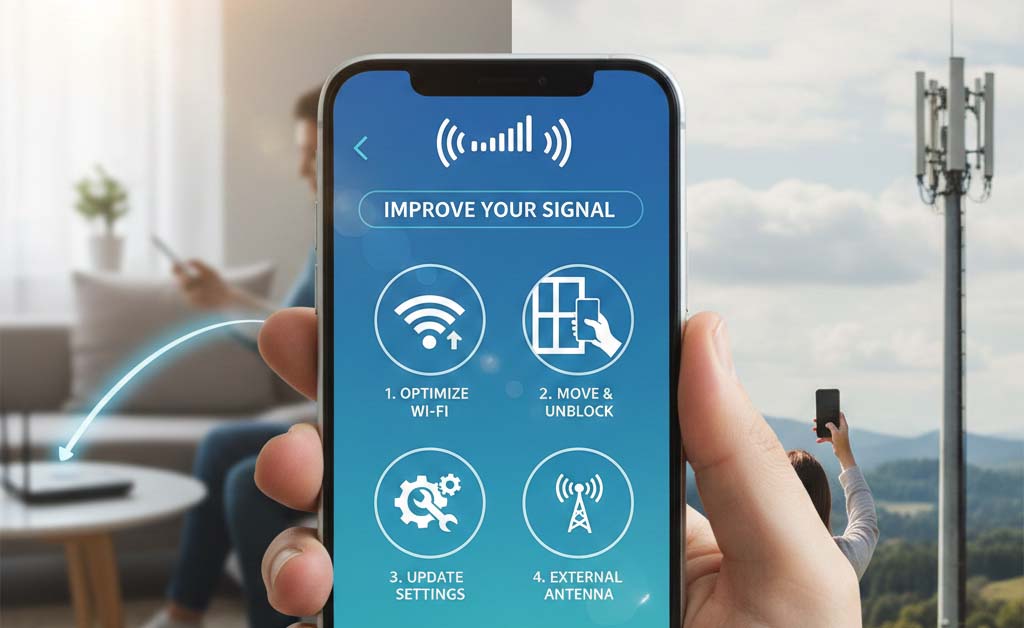
Poor connection, sluggish internet speeds, and annoying call dropouts can all be caused by a weak smartphone signal. There are several causes of signal problems, ranging from hardware constraints to ambient influences. Fortunately, there are a number of methods for boosting smartphone signal strength, which guarantee improved functionality. You can improve your connectivity whether you’re at home, on the road, or at a far-off place. This tutorial will provide you with useful advice to improve the functioning of your smartphone and help you understand the typical reasons for weak signals.
Common Reasons for Weak Smartphone Signal
There are various reasons that might contribute to a poor smartphone signal. One typical cause is living in a region with limited network service, such as a distant or rural location. Physical barriers, such as thick walls, massive buildings, or subterranean areas, can also reduce signal strength. The type of smartphone and its age may influence its capacity to receive and send signals successfully. Furthermore, network congestion, especially at peak periods, might slow down your connection. Weather conditions, such as heavy rain or thunderstorms, might impede signal transmission. Finally, faults with your service provider’s infrastructure, such as old towers or technical malfunctions, may affect your signal.
How to Boost Your Smartphone Signal
Optimize Your Location
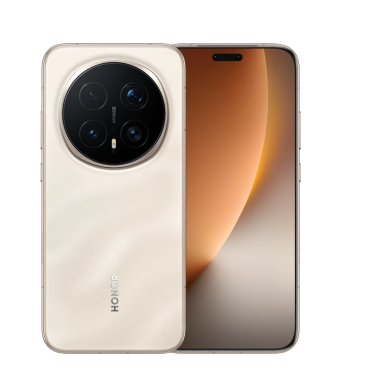
Moving to an area with better coverage is one of the easiest ways to boost your smartphone signal. If you’re indoors, look for a position near a window or higher up in your home, as these spots usually have greater signal availability. If you’re outside, relocating to an open place devoid of physical barriers, such as large buildings or dense trees, can also assist. The closer you are to a cell tower, the stronger your signal will be. If possible, avoid basements, strong concrete walls, and subterranean areas, as they can significantly block the signal. For those looking for a smartphone with excellent signal reception, you may want to check out the HONOR Magic 8 pro price uk, which offers advanced connectivity features and a sleek design.
Use Wi-Fi Calling or VoLTE
If you are experiencing weak cell signal strength, using Wi-Fi calling or Voice over LTE (VoLTE) might be a viable alternative. Wi-Fi calling allows you to make and receive calls via a Wi-Fi network rather than using a cellular connection. This is especially beneficial in regions with limited cellphone service, but a stable Wi-Fi connection is accessible. VoLTE, on the other hand, uses a 4G network for both voice and data, resulting in better voice conversations and quicker data transmission, hence increasing signal quality during calls and internet usage. Both approaches help avoid network difficulties that may be impacting cellular service.
Switch to 4G or 5G Networks
Switching to 4G or 5G networks can considerably enhance the signal strength of your smartphone, especially if you are presently using a 3G connection. Newer networks, such as 4G and 5G, provide quicker speeds, more dependability, and improved coverage. To make the move, make sure your device supports these networks and you are in an area with 4G or 5G coverage. Many service providers are progressively discontinuing 3G networks, so upgrading to a newer technology will not only improve your signal but also ensure that you are utilizing the most sophisticated and efficient method for data transfer and communication.
Tips for Improving Connectivity in Specific Areas
In Rural or Remote Areas
Due to the distance from cellular towers, poor or erratic smartphone signals are typical in rural or isolated places. Consider utilizing a mobile signal booster to increase signal strength. This device helps your phone stay connected by boosting available network signals. It could be required to use satellite-based services or move to a service provider with greater rural coverage if you travel to these locations regularly. You may also completely avoid the cellular network by depending on Wi-Fi calling whenever you can. In distant areas, purchasing a phone with improved reception capabilities might also have a big impact.
In Buildings or Indoor Spaces
Mobile signals can be blocked or weakened by buildings, particularly those constructed of steel or concrete. Place yourself close to windows or on higher levels, where signals are typically stronger, to enhance reception indoors. Consider utilizing a signal booster intended for residential usage if you frequently experience connectivity problems indoors. These gadgets improve reception by amplifying cellular signals in a particular region. As an alternative, make sure your phone has Wi-Fi calling enabled. This eliminates the requirement for a good cellular connection entirely by enabling you to access data and make calls via your home internet.
On Public Transport or Moving Locations
Signal disruptions can occur often when using a smartphone on public transportation or while moving because of shifting locations and obstructions like tunnels or tall buildings. Try to place yourself close to windows where the signal could be stronger in these circumstances to increase connectivity. Furthermore, turning on Wi-Fi calling can aid in preserving a steady connection, particularly when you’re in a moving car with erratic signal strength. Changing to a mobile network provider with greater coverage for high-speed internet in transit might also reduce disruptions and provide a more dependable connection if you’re often on the go.
Conclusion
Improving your smartphone’s signal and connectivity is possible with the correct tactics and tools. Better performance may be achieved by optimizing your location, using Wi-Fi calling or VoLTE, and connecting to a 4G or 5G network. For specific places such as rural areas, buildings, or shifting locations, practical measures like installing signal boosters or switching to a provider with greater coverage can make a big impact. By following these tips, you will have a more dependable and efficient mobile experience, no matter where you are.