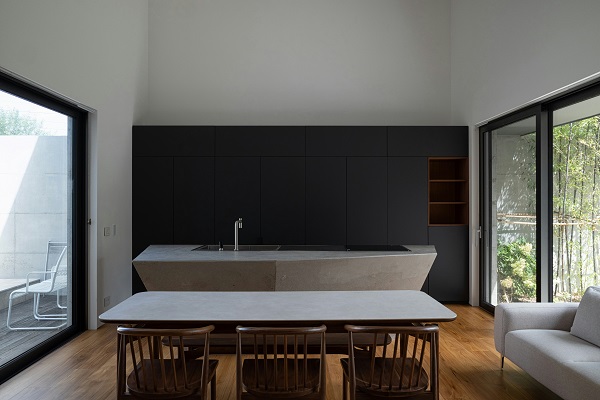
The kitchen work triangle is a fundamental concept in kitchen design that focuses on the arrangement of the three primary work areas: the refrigerator, the stove, and the sink. This triangle is essential for facilitating an efficient workflow, allowing users to perform tasks with minimal movement and effort. The efficient placement of these three elements forms the backbone of an effective kitchen layout.
When designing a kitchen layout, the distances between these three areas are vital. The optimal proximity should create a triangle with each side measuring between 4 to 9 feet, ensuring ease of access without overcrowding the workspace. This design principle hinders unnecessary steps and enhances productivity, as it enables seamless transitions between food preparation, cooking, and clean-up. When each point of the triangle is too far apart, it can lead to inefficient movements and hinder the overall cooking process.
Different kitchen shapes, such as L-shaped, U-shaped, and galley, uniquely influence the effectiveness of the kitchen work triangle. An L-shaped layout often provides an open feel while facilitating movement between the three areas. Conversely, a U-shaped kitchen can optimize storage and counter space while maintaining close proximity between each work zone. The galley kitchen, characterized by parallel countertops, can also streamline workflows, but may require careful organization to prevent congestion in the narrow space.
By prioritizing the arrangement of the refrigerator, stove, and sink within these varying kitchen shapes, homeowners can create a more functional environment. This conscious design not only enhances the efficiency of daily cooking tasks but also contributes to a more enjoyable culinary experience.
Assessing Your Space: Measuring and Planning
To design a functional kitchen layout, the first step is to thoroughly assess your kitchen space. Begin by measuring the dimensions of your kitchen, including the overall length and width. Pay special attention to any architectural features such as windows, doorways, and existing plumbing, as these elements can significantly influence your layout options. Accurate measurements form the foundation for a well-planned kitchen.
As you gather measurements, consider creating a floor plan that incorporates all necessary features. A simple approach is to use graph paper to draw a scaled version of your kitchen. Each square can represent a specific measurement, allowing you to visualize potential layouts effectively. Alternatively, various software tools and applications are available that provide user-friendly interfaces for drafting kitchen plans. These digital tools often include drag-and-drop features for appliances, cabinets, and other fixtures, providing a clear picture of your design.
It is also essential to consider your personal cooking habits and lifestyle during this planning stage. Evaluate how often you cook, what types of meals you prepare, and whether you require space for multiple cooks in the kitchen. Incorporating these factors ensures your kitchen layout will not only be functional but also tailored to your specific needs. For example, if you frequently entertain, you might prioritize an open-concept design that encourages interaction and flow between the kitchen and living areas.
Lastly, draw inspiration from existing kitchen layouts, such as galley, L-shaped, U-shaped, or island configurations. Research these styles and adapt them to fit your unique space and requirements, always keeping your measurements and personal habits in mind. By thoughtfully assessing your space and planning accordingly, you lay the groundwork for a kitchen that is both functional and enjoyable to work in.
Incorporating Essential Features: Storage Solutions and Appliances
A well-designed kitchen layout prioritizes not only the aesthetic appeal but also the efficient use of space. One critical aspect to consider is the integration of storage solutions and the strategic placement of appliances. In any functional kitchen, effective storage can drastically enhance usability and organization. It is essential to identify the various types of storage options available such as cabinets, drawers, and pantry spaces. For instance, deep drawers can provide easy access to pots and pans, reducing the clutter of stacked items in cabinets.
Moreover, incorporating a pantry can serve as a dedicated space for food storage, allowing for a cleaner kitchen area. When planning a kitchen, it is also important to consider vertical storage solutions. Utilizing wall-mounted shelves or high cabinets can free up counter space and reduce overall kitchen clutter. This design principle is especially beneficial in smaller kitchens, as it maximizes the available space while maintaining functionality.
The correct placement of larger kitchen work triangle appliances, such as the refrigerator, stove, and dishwasher, can significantly improve workflow and efficiency. It is advisable to position these appliances in a work triangle formation—placing them at points that create a triangular layout. This arrangement minimizes unnecessary movement during food preparation, ultimately streamlining cooking processes.
Additionally, multi-functional furnishings can play a vital role in optimizing limited kitchen space. For example, kitchen islands that offer storage and serve as additional prep surfaces can greatly enhance the kitchen’s usability. By carefully selecting and positioning storage solutions and appliances, homeowners can create a highly efficient kitchen that meets daily functional needs while also providing ample space for both cooking and entertaining.
Finishing Touches: Lighting, Colors, and Materials
When designing a functional kitchen work triangle layout, the choice of lighting, colors, and materials plays a crucial role in enhancing not only the aesthetic appeal but also the overall efficiency of the space. An effective lighting scheme includes ambient, task, and accent lighting. Ambient lighting creates a comfortable overall illumination, while task lighting is vital for areas where detailed work takes place, such as over countertops or the stove. Accent lighting, including under-cabinet lights or pendant fixtures, adds visual interest and can highlight specific design elements of the kitchen.
Choosing the right color scheme is equally essential for fostering a pleasant working environment. Lighter colors can make a space feel larger and more open, while a balanced use of darker tones can add depth and sophistication. Neutral shades, paired with vibrant accents, can create a harmonious atmosphere that is both inviting and conducive to food preparation. It’s important to consider how different hues influence mood; for example, blue tones can promote calmness, whereas yellow can energize the space.
Materials are another key factor in achieving both form and function in your kitchen. Selecting durable and easy-to-maintain materials will ensure that your kitchen remains practical in the long run. For countertops, options such as quartz or granite blend durability with aesthetics, while cabinetry made from solid wood or high-quality laminate offers lasting appeal. Flooring choices should balance comfort and cleanliness; tile, vinyl, or hardwood options can provide enduring performance. The integration of these elements not only elevates the kitchen’s look but also maximizes its functionality, allowing for a seamless cooking experience.