This guide walks through what actually matters when you pick a watch meant to carry both jobs. If you want to see how the classic shapes look in practice as you read, it helps to keep a reference open such as newclonewatches.com, then come back to the points below.
Why Your Watch Choice Matters More Than You Think
A watch is one of the few things you wear every waking hour, in front of everyone you meet. That makes it quietly high-stakes. A piece that suits your wrist and your week reads as effortless; one that fights your outfit draws the wrong kind of attention. Getting the decision right is less about spending more and more about choosing for how you actually live.
Matching a Watch to How You Travel
Start with the trips you really take. A frequent flyer moving between meetings wants something understated that slips under a cuff and pairs with a jacket. A weekend traveller chasing coast roads and long lunches can lean sportier, with a case that shrugs off a knock. The mistake is buying for the trip you imagine rather than the ones on your calendar.
Materials and Build Quality
Materials and Build Quality
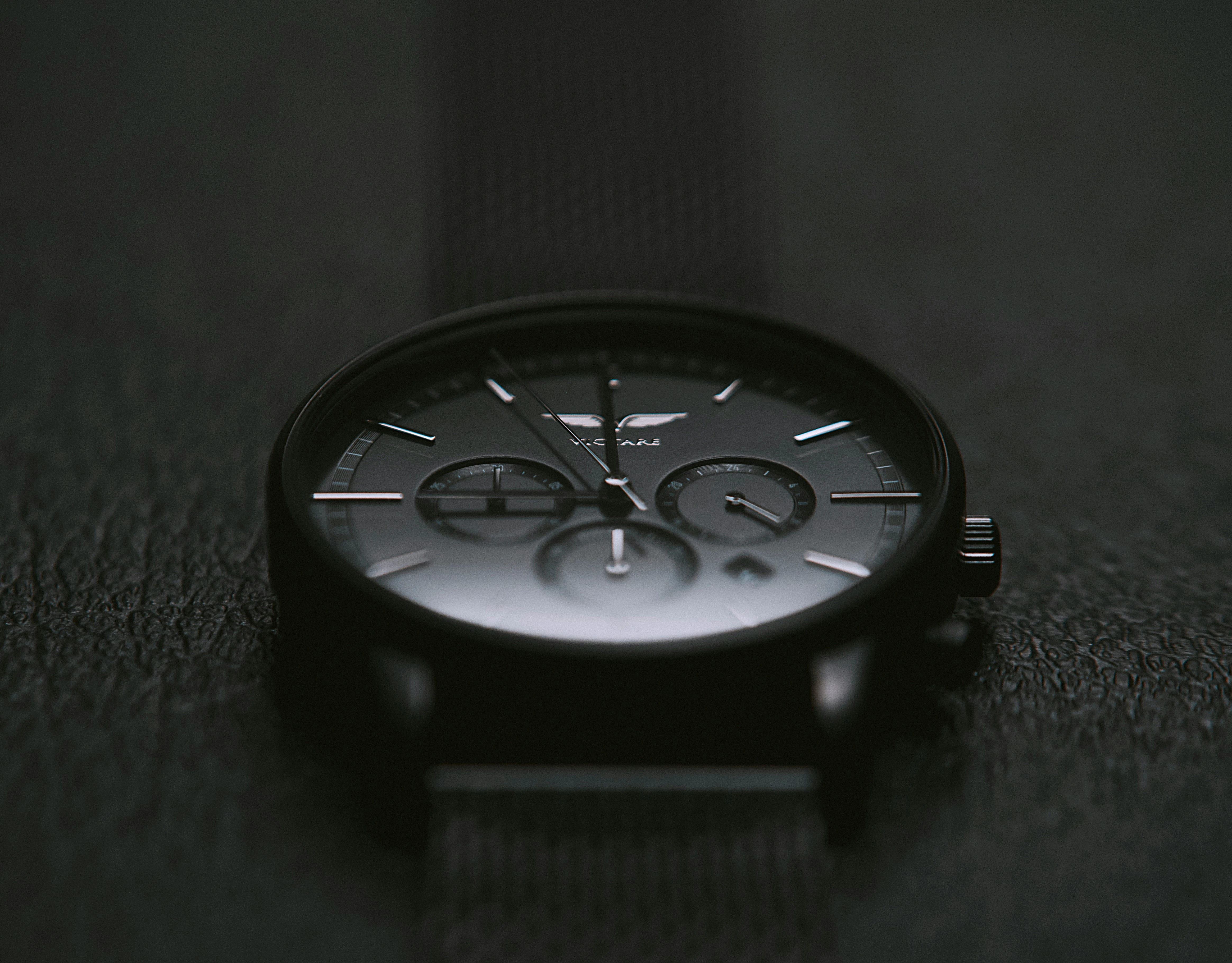
The case material sets the tone and the durability. Stainless steel is the dependable all-rounder — it resists scuffs, cleans up easily, and suits almost any setting. Coated finishes add character but show wear sooner. Sapphire-style crystals shrug off scratches better than cheaper alternatives. Whatever you choose, check that the bracelet links and clasp feel solid, because that is where daily wear shows first.
Sizing and Fit
A watch that fits is a watch you forget you are wearing, in the best way. Around forty millimeters suits most wrists and photographs cleanly, while broader cases need a wrist to carry them. The lug-to-lug distance matters as much as the diameter — if the lugs overhang the wrist, the piece will never sit right no matter how good it looks in a photo.
Building a Versatile Collection
Building a Versatile Collection
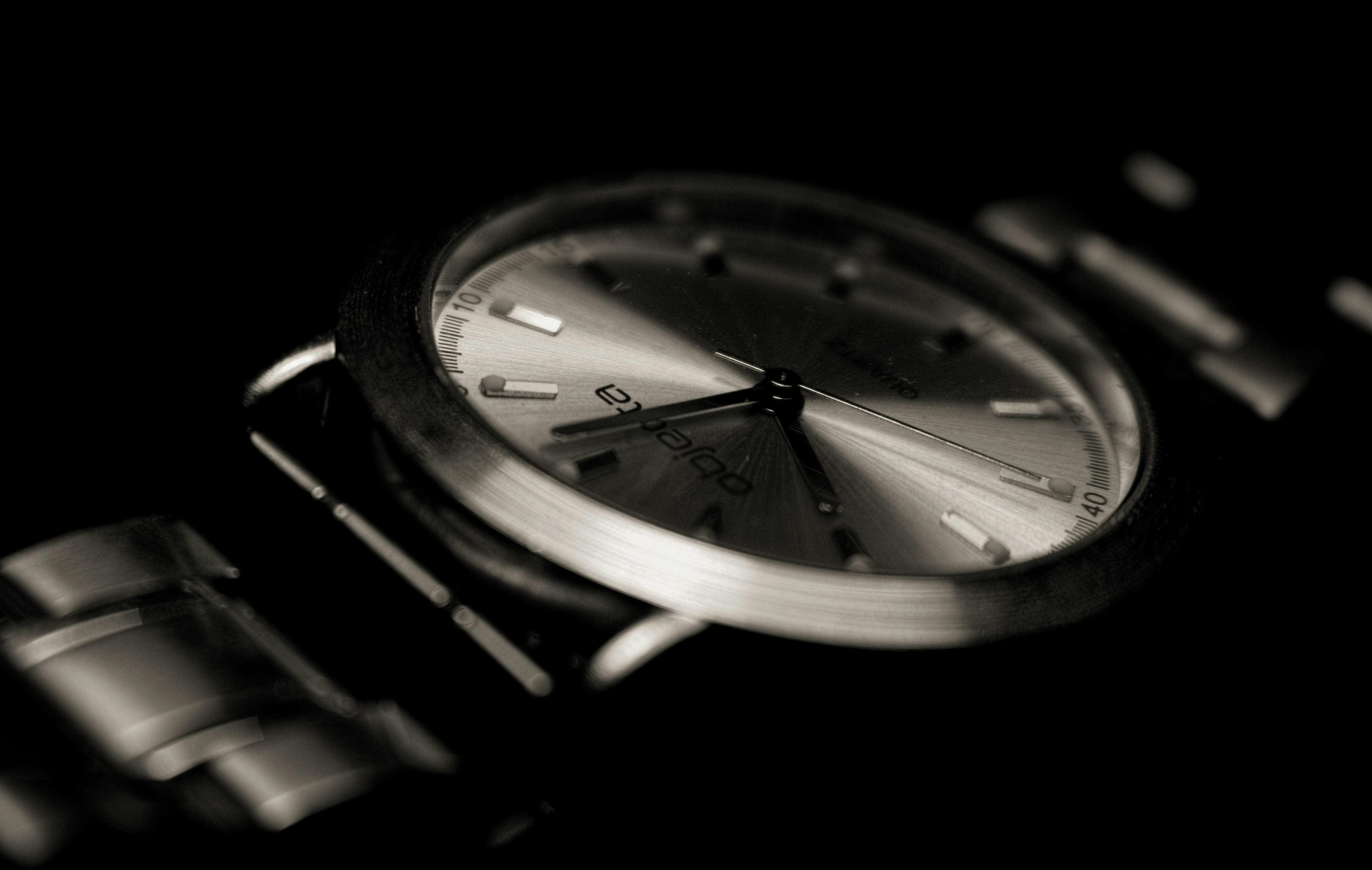
If one watch cannot do everything, a small, deliberate group can. Many people settle on three registers: one sporty, one dressy, one everyday. That spread covers almost any occasion without overlap and keeps the overall outlay reasonable. Add slowly, and let each piece earn its place before the next one joins.
Caring for Your Watch
Maintenance is simple and worth the habit. Wipe the case after a long day, keep it away from prolonged heat and moisture, and rotate straps before they crack. Mechanical movements benefit from an occasional service so the timekeeping stays accurate. Small attention now spares larger problems later.
Final Thoughts
The watch that works for travel and everyday wear is rarely the flashiest one in the case. It is the one chosen for fit, for build, and for the life you actually lead. Decide honestly how you spend your days, pick for that, and the piece on your wrist will quietly do its job for years.