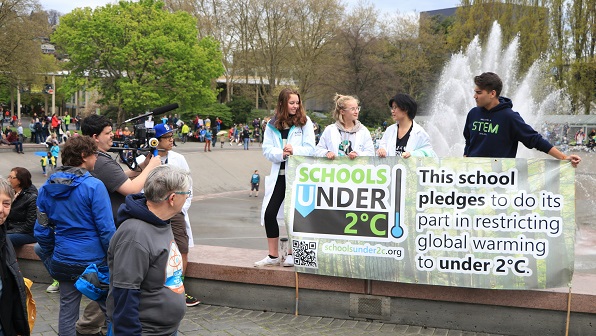
Climate change refers to significant alterations in global temperatures and weather patterns over time, and it has become one of the most pressing challenges faced by humanity in recent times. Essentially, climate change encompasses both natural processes and human-induced phenomena. Natural factors contributing to climate change include volcanic eruptions, variations in solar radiation, and oceanic circulation patterns. However, the predominant cause of contemporary climate change is the increase in greenhouse gases such as carbon dioxide and methane, attributed largely to human activities such as fossil fuel combustion, deforestation, and industrial operations.
The evolution of climate change can be traced back to the Industrial Revolution in the 18th century when large-scale fossil fuel consumption began to rapidly increase. Initially, the effects of climate change were subtle; however, the alarming rise in average global temperatures, melting ice caps, and extreme weather events are now undeniable indicators that the planet’s climate is shifting more dramatically. According to scientific evidence, the ten warmest years on record have all occurred since 2005, signifying a troubling trend that beckons urgent action.
Recognizing the scientific basis of this phenomenon is essential for fostering a broader understanding of climate change. Institutions like the Intergovernmental Panel on Climate Change (IPCC) provide valuable research and recommendations that underline the critical importance of addressing this global issue. Without a coordinated global response, the consequences of climate change could result in devastating impacts on ecosystems, economies, and social structures worldwide.
Recent Climate Change Updates
The ongoing changes in our climate system are underscored by the latest findings in climate science. Reports indicate a concerning increase in global temperatures, with the last decade being the warmest on record. According to the Intergovernmental Panel on Climate Change (IPCC), average global surface temperatures have risen by approximately 1.1 degrees Celsius since the late 19th century. This upward trend is largely attributed to the accumulation of greenhouse gases in the atmosphere, primarily due to human activities such as fossil fuel combustion and deforestation.
Recent data from the Global Carbon Project further elucidates this point, revealing that carbon dioxide emissions have reached unprecedented levels, surpassing 36 billion tonnes in 2022 alone. This places immense pressure on the climate system and poses significant risks to ecosystems and human societies worldwide. The steady rise in emissions illustrates a stark reality; despite international commitments to cut greenhouse gases, progress remains insufficient.
Moreover, notable climate events have been increasingly frequent and severe in recent years, marking a clear indication of climate change’s real-time impacts. For instance, the summer of 2023 witnessed record-breaking heatwaves in various parts of the world, leading to devastating wildfires and droughts. These events have profound implications for food security, water availability, and public health, amplifying existing inequalities, particularly in vulnerable regions.
As we continue to gather data and analyze climate trends, the urgency of addressing climate change cannot be overstated. The scientific community emphasizes that immediate action is necessary to mitigate these consequences, transition toward sustainable practices, and safeguard future generations from the detrimental effects of climate change.
Global Economic Impacts of Climate Change
Climate change is increasingly recognized as a significant factor contributing to shifts in the global economy. Its effects are being felt across various sectors, notably agriculture, insurance, and energy. As weather patterns become more erratic and extreme, agricultural productivity is being affected in numerous ways. For instance, rising temperatures and changing precipitation patterns can lead to reduced crop yields, negatively influencing food supply and prices worldwide. The agricultural sector must adapt to these changes, which may involve investing in more resilient crop varieties or changing farming practices.
Moreover, the financial implications of climate change are profound. Natural disasters, such as hurricanes and floods, are becoming more frequent and severe, leading to steep costs for recovery and rebuilding. Insurance industries face mounting pressure as they manage increasingly unpredictable risks. Premiums may rise significantly, and the availability of insurance might diminish in high-risk areas, which compounds challenges for homeowners and businesses alike.
In contrast, the emergence of the green economy presents both opportunities and challenges. Nations are investing in renewable energy sources as part of their efforts to mitigate climate change effects. This transition is creating new industries and jobs but also necessitates significant initial financial investments. Thought leaders emphasize the importance of ensuring that stakeholders across various sectors collaborate to fund innovative solutions to tackle the issues posed by climate change.
In conclusion, the global economic impacts of climate change extend far beyond environmental concerns. They involve complex interactions across multiple sectors that have immediate and long-term implications. Policymakers and industry leaders must closely examine these economic dynamics to better prepare for future challenges and opportunities.
Health Implications of Climate Change
The effects of climate change extend far beyond environmental concerns; they significantly impact public health on a global scale. One of the most pressing health issues arising from climate change is the increase in heat-related illnesses. As global temperatures continue to rise, heatwaves are becoming more frequent, leading to a higher incidence of heat exhaustion and heatstroke, particularly among vulnerable populations such as the elderly and those with pre-existing health conditions.
Additionally, climate change facilitates the spread of infectious diseases. Altered weather patterns and shifting ecosystems, caused by climate variability, enable vectors such as mosquitoes and ticks to inhabit new areas, thereby increasing the risk of diseases such as malaria, dengue fever, and Lyme disease. This phenomenon poses significant challenges to public health systems, which must adapt to these shifting disease patterns and ensure that communities are adequately prepared for outbreaks.
Mental health is another critical area affected by climate change. Natural disasters, intensified by climate change, such as hurricanes, floods, and wildfires, lead to displacement, loss of property, and trauma. These adverse events can result in long-term mental health conditions such as anxiety, depression, and post-traumatic stress disorder (PTSD). Protecting the mental wellness of affected populations is crucial and requires integration into broader health systems.
Vulnerable populations, including low-income communities and individuals lacking access to health resources, face heightened risks associated with climate change. It is imperative for health systems to prioritize resources and develop strategies to mitigate these risks, ensuring equitable access to healthcare as climate-related challenges escalate.
Social and Political Consequences
Climate change is increasingly recognized as a significant driver of social and political instability around the globe. Rising temperatures and changing precipitation patterns lead to altered agricultural yields, impacting food security and livelihoods, particularly in vulnerable regions. As resources become scarcer, competition can intensify, leading to conflicts over water, land, and other essential resources. This competitive struggle, rooted in climate-induced scarcity, often exacerbates existing social tensions and inequities.
Migration is another critical consequence of climate change, as individuals and families flee from regions that have become uninhabitable due to extreme weather events such as hurricanes, floods, and droughts. The movement of people away from their homes can strain urban infrastructures in receiving areas and lead to social tensions, particularly when local populations perceive migrants as competitors for jobs and resources. The phenomenon of climate refugees raises significant humanitarian and legal questions, as traditional frameworks may not adequately protect those displaced by environmental factors.
The political implications of climate change are profound, influencing governance structures and international relations. Governments are compelled to address climate-related issues, often leading to changes in policy priorities and resource allocations. Furthermore, climate change can exacerbate existing geopolitical tensions, particularly in regions where borders are drawn around shared water resources. As nations grapple with the effects of climate-related challenges, global cooperation becomes critical, yet often difficult due to divergent national interests.
Overall, the interplay of social dynamics and political governance in response to climate change is complex. By understanding these consequences, societies can develop more effective strategies to address the challenges posed by climate variability, fostering resilience and cooperation in an increasingly interconnected world.
Innovations and Adaptation Strategies
The pressing challenge of climate change has catalyzed a wave of innovations and adaptation strategies across the globe. Countries, communities, and organizations are implementing creative solutions to mitigate the impacts of climate change while fostering sustainability. One notable area of advancement is renewable energy. Technologies such as solar, wind, and hydroelectric power are being embraced widely, significantly reducing reliance on fossil fuels. Recent innovations in solar panel efficiency and wind turbine design are not only enhancing energy output but also driving down costs, making renewable energy more accessible to both urban and rural areas.
In addition to energy advancements, sustainable agriculture practices are gaining traction as vital adaptation strategies. Farmers are now utilizing techniques that reduce water usage and increase crop resilience, which are crucial given the erratic weather patterns caused by climate change. Methods such as agroforestry and organic farming are being adopted to improve soil health and sequester carbon, while precision agriculture leverages technology for efficient resource management. These practices not only ensure food security but also preserve ecological balance.
Communities are also developing robust climate adaptation strategies to deal with the immediate effects of climate change. Initiatives such as building green infrastructure help cities manage stormwater better, while urban planning incorporates green spaces to reduce heat islands. Programs aimed at educating citizens about climate resilience are increasingly popular, encouraging individual and collective action against climate threats. Through a combination of innovation, collaboration, and commitment, global efforts to address climate change are beginning to take shape and demonstrate efficacy, paving the way for a more sustainable future.
International Cooperation and Agreements
International cooperation plays a pivotal role in addressing the pressing issue of climate change. Through collaborative efforts, nations aim to mitigate the adverse effects of climate change while promoting sustainable development. One of the most significant milestones in this endeavor is the Paris Agreement, adopted in 2015. This landmark accord unites more than 190 countries to limit global warming to well below 2 degrees Celsius above pre-industrial levels, while striving for 1.5 degrees Celsius. The agreement emphasizes the necessity for countries to undertake national commitments, termed Nationally Determined Contributions (NDCs), which are subject to regular reviews and updates.
The United Nations Framework Convention on Climate Change (UNFCCC) serves as the primary international platform for these negotiations. The UN plays a crucial role in fostering dialogue and collaboration among nations, providing a structured approach to address climate issues on a global scale. Initiatives like the annual Conference of the Parties (COP) facilitate discussions on how to advance the implementation of the agreements and adapt to the consequences of climate change.
Despite significant progress, the effectiveness of international agreements faces numerous challenges. Varied economic capabilities, differing political will, and the capacity for implementation among nations often hinder a unified approach to achieving climate goals. Additionally, developed countries have historically contributed more to global greenhouse gas emissions, raising questions about equity and responsibility in climate action. Some developing nations emphasize the need for financial support and technology transfer from wealthier nations to better cope with climate impacts.
Overall, international cooperation in combating climate change demonstrates its recognized importance, though it remains challenged by persistent disparities among nations. The path forward requires continued commitment and innovation to ensure effective collaboration that adequately addresses the evolving climate crisis.
The Role of Individuals and Communities
Addressing climate change requires an inclusive approach where individuals and communities play a pivotal role in mitigating environmental challenges. While systemic changes are essential, grassroots activism, local initiatives, and personal lifestyle modifications significantly contribute to reducing carbon footprints.
Individuals can adopt various practical measures to lessen their environmental impact. Simple actions, such as reducing energy consumption at home by using energy-efficient appliances or adopting public transportation, can collectively make a significant difference. Additionally, utilizing renewable energy sources, like solar panels, is increasingly becoming an accessible choice, further minimizing reliance on fossil fuels.
Community involvement can amplify individual efforts. Residents can collaborate to form local sustainability groups focused on educating members about environmental practices. Organizing clean-up drives in parks, beaches, or neighborhood areas not only enhances local ecosystems but also raises awareness about waste management. Communities are also encouraged to promote urban agriculture, which not only mitigates carbon emissions associated with food transportation but also fosters community bonding and healthier food options.
Advocating for policy changes at the local level is another powerful avenue for individuals and communities alike. Participating in town hall meetings or supporting local environmental initiatives ensures that community voices are heard in impactful decisions regarding sustainable practices. Writing to local representatives about climate initiatives can influence legislation to promote renewable energy or more stringent emissions regulations.
In conclusion, every person holds the potential to drive meaningful change in the battle against climate change. By making conscious choices and rallying together with their communities, individuals can carve a path toward a more sustainable future. The collective actions of dedicated members of society are instrumental in fostering a resilient environment for generations to come.
Conclusion and Call to Action
As we have examined throughout this blog post, climate change represents one of the most pressing challenges of our time, affecting ecosystems, communities, and economies worldwide. The updates on climate science reveal a stark reality: global temperatures are rising, weather patterns are shifting, and extreme events are becoming increasingly frequent. It is crucial for individuals, organizations, and governments to stay informed on these developments and their implications.
Understanding the global impact of climate change is vital, not only for awareness but also for fostering community engagement. By participating in conversations about climate action, we can amplify the message that urgent solutions are necessary. Encouraging discourse around sustainable practices and policies aimed at reducing carbon emissions can lead to more concerted global efforts.
In addition to promoting dialogue on legislative changes, individual actions play a fundamental role in combating climate change. Everyone can contribute to solutions in their daily lives; small steps such as reducing waste, conserving energy, or supporting sustainable products and initiatives can collectively create significant positive change. Collaborative efforts at local and global levels are essential in addressing the climate crisis effectively.
In conclusion, remaining informed about climate change updates is imperative for fostering a proactive approach. We must advocate for policies that combat climate change and take personal responsibility for our environmental footprint. Every effort counts, and by working together, we can pave the way for a more sustainable future. Let us take action today to safeguard our planet for future generations.