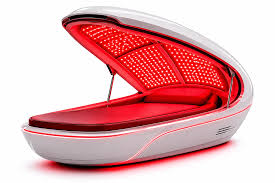
If you’ve spent any time researching wellness devices lately, you’ve probably noticed the terms light therapy and infrared therapy popping up everywhere. Some companies use them almost interchangeably, while others present them as completely different technologies.
Although the two therapies share similarities, they aren’t exactly the same, and understanding the differences can help you choose the right light therapy device for your needs. One popular example is a red light therapy mask, which has become a go-to option for people looking to support healthier-looking skin at home.
Meanwhile, infrared therapy is often associated with muscle recovery, relaxation, and deeper tissue support. Knowing how these therapies work and where they overlap can make shopping for a wellness device much less confusing. Here’s a closer look at what sets them apart.
Light Therapy 101: What Does It Actually Mean?
Light therapy is a broad term that describes treatments using specific wavelengths of light to produce different effects. Depending on the wavelength, light therapy may be used for skincare, mood support, sleep regulation, or recovery applications.
One of the most recognizable examples is a red light therapy mask. These wearable devices emit visible red wavelengths that are commonly used in skincare routines. Many people use them to improve their skin’s appearance, support collagen production, and reduce the appearance of fine lines over time.
It’s also worth noting that light therapy doesn’t always produce noticeable heat. Many devices feel cool or only slightly warm during use because they’re designed to deliver light, not heat, as the primary treatment.
What Is Infrared Therapy?
Infrared therapy uses wavelengths that fall just beyond the visible red end of the electromagnetic spectrum. Because infrared light is invisible to the human eye, you won’t actually see it during treatment, even though it’s still being emitted.
There are three general categories of infrared light: near-infrared, mid-infrared, and far-infrared. Near-infrared light is often paired with red light in wellness devices because it penetrates deeper beneath the skin’s surface. Far-infrared, on the other hand, is commonly associated with infrared saunas and heat-based therapy.
The Biggest Differences Between Light Therapy and Infrared Therapy
The easiest way to think about the difference is that infrared therapy is actually one category within the broader world of light therapy. While all infrared therapy uses light, not all light therapy uses infrared wavelengths.
Red light therapy primarily uses visible red light and is often chosen for skincare and surface-level applications. Infrared therapy uses invisible wavelengths that can reach deeper tissues, making it a popular option for muscle recovery and relaxation.
Many modern wellness devices combine both red and near-infrared light, allowing users to enjoy the potential benefits of each in a single treatment session. Rather than competing technologies, they’re often complementary tools designed to support different wellness goals.
What Are the Benefits of Red Light Therapy?
Red light therapy has become especially popular in the skincare world because it offers a non-invasive way to support healthier-looking skin. While research is ongoing, studies suggest that specific red wavelengths may encourage collagen production, helping improve skin firmness and reduce the appearance of fine lines over time.
Many users also report improvements in overall skin tone and texture with consistent use. Beyond cosmetic benefits, red light therapy is also being explored for its role in post-exercise recovery and general wellness. Because it doesn’t rely on heat, many people find it comfortable to incorporate into their daily routine, whether they’re using a handheld device, a panel, or a mask.
What Are the Benefits of Infrared Therapy?
Infrared therapy is often chosen for a different reason: deeper warmth. Since near- and far-infrared wavelengths can penetrate farther than visible red light, they’re frequently used to promote relaxation and support muscle recovery after physical activity.
Infrared saunas are among the best-known examples, producing gentle heat that many people find soothing. Other infrared devices are designed to target specific areas, such as the back, shoulders, or knees. While individual experiences vary, many users turn to infrared therapy to ease post-workout stiffness, unwind after a long day, or complement their recovery routine.
The Right Therapy Depends on Your Goals
When it comes to light therapy versus infrared therapy, there’s no universal winner. Each approach offers unique advantages and is designed to support different aspects of wellness. Red light therapy is often associated with skincare and visible light treatments, while infrared therapy focuses on deeper tissue support and gentle warming effects.
Understanding the distinction makes it easier to choose a device that aligns with your goals instead of relying on marketing buzzwords. Whether you’re interested in healthier-looking skin, post-workout recovery, or simply adding another wellness tool to your routine, knowing how these therapies differ can help you make a more informed decision.