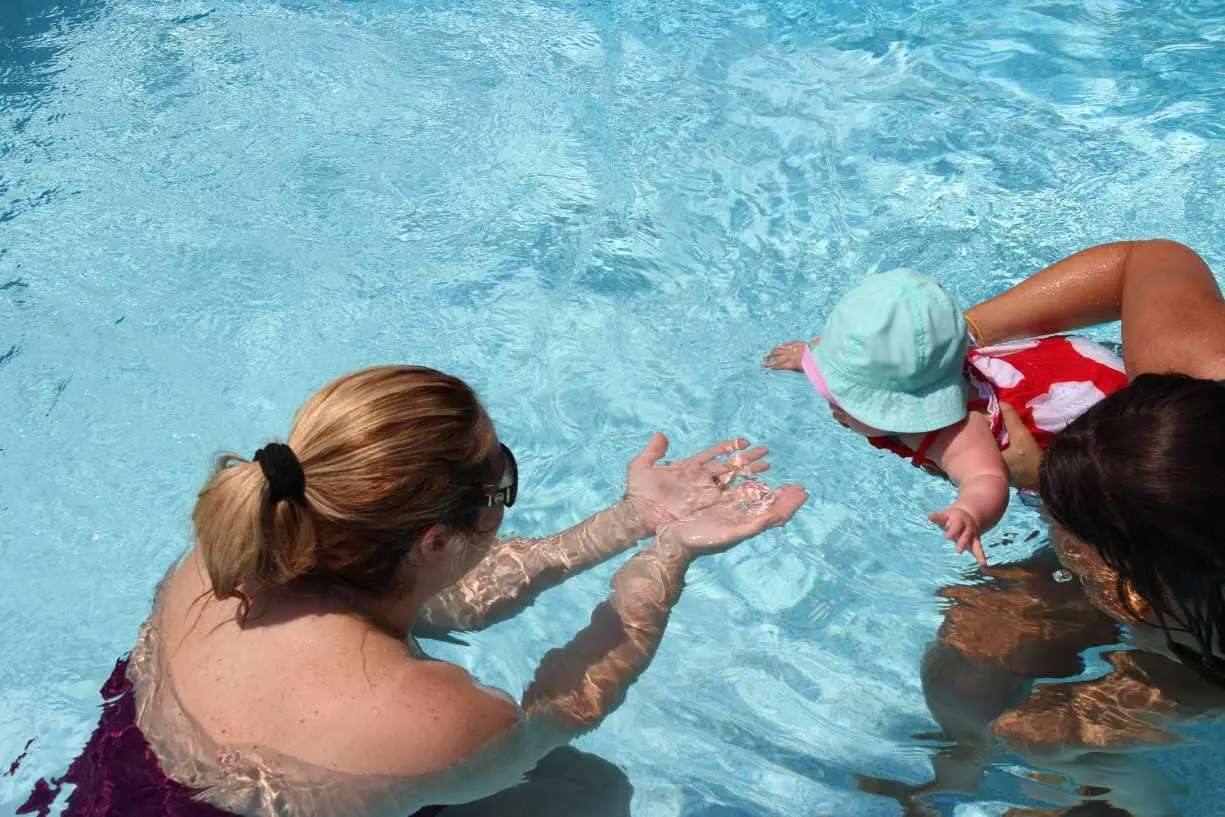
Learning to swim is an important life skill that can improve physical fitness, water confidence, coordination, and safety awareness. However, every swimmer learns at a different pace. Some beginners may become comfortable in the water quickly, while others may need more time and encouragement before they feel confident. Private swimming classes at home can provide a personalised learning environment where lessons are designed around the swimmer’s abilities, goals, and comfort level. With individual attention, flexible scheduling, and focused instruction, home-based private swimming lessons can help learners make steady progress and develop swimming skills more efficiently.
Personalised Instruction Based on Individual Needs
One of the biggest advantages of private swimming classes at home is personalized instruction. In a group swimming class, an instructor usually needs to divide attention between several students who may have different skill levels and learning requirements. This means some students may receive less individual guidance during each lesson. Private classes allow the instructor to concentrate entirely on one swimmer, making it easier to identify strengths, weaknesses, and areas that need improvement. For personalized swimming instruction and flexible learning at a convenient location, private swimming classes at home can help learners build confidence, improve technique, and progress at their own pace with guidance from experienced coaches.
The instructor can adjust the lesson according to the swimmer’s current abilities. A beginner who is still uncomfortable putting their face underwater may spend more time developing water confidence before moving to breathing techniques. A more experienced swimmer may instead focus on stroke efficiency, body position, kicking technique, or endurance. This individualised approach ensures that lesson time is spent working on skills that are most relevant to the learner.
More Practice During Every Lesson
Practice is essential when learning any physical skill, and swimming is no exception. Repetition helps swimmers develop muscle memory and become more comfortable performing different movements in the water. In a group environment, students may have to wait for their turn before practising a particular exercise. Private lessons eliminate much of this waiting time because the instructor can keep the swimmer engaged throughout the session.
A swimmer may spend more time practising floating, kicking, breathing, arm movements, and coordination during a private lesson. The instructor can observe each attempt and provide immediate feedback. This continuous practice allows learners to make corrections quickly instead of repeating the same mistake for several sessions. As a result, students can often develop better technique and confidence through consistent, focused practice.
Immediate Feedback Helps Correct Mistakes
Small technical mistakes can become difficult habits if they are not corrected early. For example, a swimmer may hold their head incorrectly while breathing, use inefficient kicking movements, or position their arms incorrectly during a stroke. These issues may not always be noticed by beginners themselves, but an experienced instructor can identify them during the lesson.
Private swimming classes provide an opportunity for immediate feedback. The instructor can explain what needs to change and demonstrate the correct technique before allowing the swimmer to try again. Because the lesson is focused on one person, the instructor can provide detailed guidance and monitor whether the correction is working. This can help learners improve their technique more efficiently and avoid developing habits that may slow their progress later.
A Comfortable Learning Environment
Feeling comfortable in the water is an important part of learning to swim. Some beginners, particularly young children, may feel nervous when entering a pool or attempting new skills. A private home swimming class can provide a familiar and controlled environment where the learner can gradually become comfortable.
Instead of being surrounded by many other swimmers, the student can focus on the instructor and the activities being introduced. The instructor can also adjust the pace of the lesson according to the student’s comfort level. If a learner is anxious about floating or putting their face underwater, the instructor can introduce these skills gradually rather than moving ahead too quickly. Building comfort in this way can help students develop a positive relationship with swimming.
Flexible Lessons Can Support Consistent Learning
Consistency is important for swimming progress. Long gaps between lessons can make it harder for beginners to remember techniques and maintain confidence. Private classes at home can make it easier to establish a regular schedule that fits the learner’s routine.
Flexible scheduling can be particularly useful for busy families. Lessons can often be arranged around school, work, or other commitments, depending on the instructor’s availability. When swimming sessions are easier to fit into a weekly routine, learners may be more likely to attend regularly. Consistent lessons give students frequent opportunities to practise their skills and build on what they learned previously.
Lessons Can Progress at the Right Speed
Every swimmer has a different learning curve. Some students may master basic floating and kicking quickly, while others may need several sessions to become comfortable with these skills. Private instruction allows the teacher to control the pace without having to follow a fixed schedule designed for a larger group.
If a swimmer masters a particular skill quickly, the instructor can introduce the next challenge without unnecessary repetition. If a learner is struggling, the instructor can spend additional time practising the skill until the student feels ready to move forward. This flexibility helps prevent learners from feeling either rushed or held back. Learning at an appropriate pace can make lessons more productive and enjoyable.
Focused Goals Can Lead to Better Results
Private swimming lessons can also be structured around specific goals. A beginner may want to learn basic water safety and swimming techniques, while another swimmer may want to improve a particular stroke or prepare for a swimming assessment. Having clear objectives allows the instructor to create lessons that directly support those goals.
For example, a swimmer working on freestyle can spend more time developing breathing patterns, body position, arm recovery, and kicking technique. Someone preparing for longer-distance swimming may focus more on endurance and efficient movement. When every lesson has a clear purpose, students can better understand what they are working towards and recognise their progress over time.
Parents Can Better Understand Their Child’s Progress
Private swimming classes at home can also give parents greater insight into their child’s development. Parents may be able to observe lessons and see how their child responds to different activities and instructions. This can help them understand which skills their child has already developed and which areas still require practice.
Instructors can also provide feedback about the child’s progress, including improvements in confidence, technique, coordination, and water safety awareness. This communication can help parents support their child’s learning between lessons. When parents and instructors work together, children can receive more consistent encouragement and guidance.
Greater Confidence Through Individual Attention
Swimming progress is not only about physical technique. Confidence plays an important role in how learners approach new skills. A swimmer who becomes more confident may be more willing to try floating independently, learn new strokes, swim longer distances, or practise underwater skills.
Private instruction can support this confidence by allowing the instructor to recognise small achievements and gradually introduce new challenges. Positive feedback can help learners understand that progress happens through practice. As they successfully complete skills that once seemed difficult, they may become more motivated to continue learning.
Conclusion
Private swimming classes at home can support faster progress by combining personalized instruction, focused practice, immediate feedback, flexible scheduling, and a comfortable learning environment. Instead of following the same lesson structure as a large group, the swimmer receives guidance based on their individual abilities and goals. This can make each lesson more focused and productive.
Regular practice remains essential, regardless of whether swimming lessons take place at home or in a traditional pool setting. However, the individual attention provided by private classes can help learners identify mistakes sooner, practise more efficiently, and build confidence at a comfortable pace. For children and adults who want a more personalized approach to swimming, private classes at home can be an effective way to develop skills steadily while making the learning experience more comfortable and enjoyable.