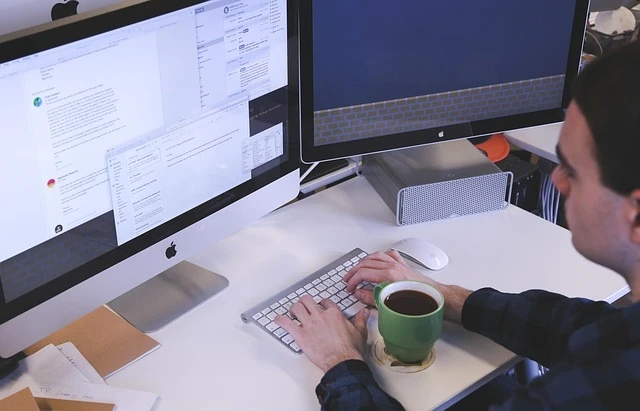
Busy professionals often spend the whole day moving from one task to another. There are meetings to attend, emails to answer, calls to make, deadlines to manage, and personal responsibilities waiting after work. By the time the day ends, it is easy to feel mentally drained and physically tense.
Many people think recovery means taking a holiday, booking a spa day, or spending hours at the gym. While those things can be helpful, they are not always realistic during a normal working week. What most people need is a simple end-of-day routine that helps the body and mind shift out of work mode.
A good recovery routine does not have to be complicated. It can be as simple as stepping away from screens, drinking water, stretching for a few minutes, preparing a light meal, and creating a calm evening rhythm. The key is consistency. Small actions repeated daily can make a noticeable difference over time.
After a demanding workday, understanding a few muscle recovery basics can help you build a routine that supports comfort, movement, and better rest. It is not about doing everything perfectly. It is about giving your body the chance to reset before the next day begins.
Start by Creating a Clear Workday Cut-Off
One of the biggest challenges for busy professionals is knowing when the workday actually ends. This is especially true for people who work from home, run a business, or check emails from their phone. Without a clear cut-off, the mind stays in work mode long after the laptop is closed.
A helpful first step is to create a small end-of-work ritual. This could mean writing tomorrow’s top three priorities, clearing your desk, closing work tabs, turning off notifications, or taking a short walk after logging off. These small actions send a signal that the working part of the day is finished.
You do not need a perfect evening routine if your mind is still stuck in work mode. A clear transition makes the rest of the evening more effective because it allows your nervous system to slow down.
Rehydrate Before Reaching for Coffee or Snacks
Many professionals move through the day drinking coffee, tea, or energy drinks but forget to drink enough water. By the evening, this can leave the body feeling sluggish, stiff, or heavy. Before reaching for another caffeine boost or a quick snack, try starting your evening with a glass of water.
Hydration supports normal energy levels, digestion, circulation, and muscle function. It is a simple habit, but it is often overlooked. If plain water feels boring, add lemon, cucumber, mint, or berries.
This is also a good time to avoid overloading the evening with too much caffeine. A late coffee may seem helpful at 5 pm, but it can affect sleep later. Better sleep is one of the most important parts of recovery, so protecting it matters.
Move Gently, Even If You Feel Tired
After a long day, it can be tempting to collapse on the sofa immediately. Rest is important, but going from sitting at work to sitting all evening may leave the body feeling even more tense. Gentle movement can help release stiffness and improve how you feel before bed.
This does not mean you need a hard workout. In fact, a simple walk, light stretching, or a few mobility exercises may be more suitable after a stressful day. The goal is to move the body without adding more pressure.
Try walking for 10 minutes after work, stretching your shoulders and hips, or doing a few slow bodyweight movements. If you work at a desk, focus on the areas that often become tight, such as the neck, upper back, hips, and legs.
Reset Your Posture After Screen Time
Many professionals spend hours looking at laptops, phones, and monitors. Over time, this can lead to rounded shoulders, a forward head position, and tension through the upper body. By evening, these small posture habits can make the body feel more tired than expected.
A quick posture reset can be helpful. Stand tall, relax your shoulders, gently pull your shoulder blades back, and take a few slow breaths. You can also stretch your chest by placing your hands behind your back or using a doorway stretch.
It may feel simple, but small posture resets throughout the evening can reduce that tight, compressed feeling that builds during long workdays.
Eat an Evening Meal That Supports Recovery
Food plays a big role in how the body feels after work. Some professionals skip meals during the day and then eat a large, heavy dinner late at night. Others rely on takeaway food because they are too tired to cook. There is nothing wrong with convenience sometimes, but your evening meal can either support recovery or make you feel more sluggish.
A balanced dinner should include protein, vegetables, healthy fats, and a good source of carbohydrates if your body needs them. Examples include grilled chicken with vegetables, salmon with rice and salad, eggs with avocado and greens, lentil soup, or a simple stir-fry.
The aim is not to follow a strict diet. It is to give the body steady nourishment after a busy day. A meal that is too heavy, too sugary, or eaten too late may make sleep and digestion more difficult.
Use Heat to Help the Body Relax
Warmth can be a useful part of an evening recovery routine. A warm shower, bath, heat pack, or even warm clothing can help the body feel more relaxed after a demanding day.
A warm shower is especially useful because it creates a clear break between work and personal time. It can help wash away the stress of the day and prepare the body for rest. If your shoulders or lower body feel tense, a warm bath or heat pack may also feel comforting.
Keep it simple. You do not need to turn your evening into a full spa treatment. Even 10 minutes of warmth can help create a sense of calm.
Protect Your Sleep Routine
Recovery depends heavily on sleep. Busy professionals often treat sleep as something that happens after everything else is finished, but it should be part of the plan. Poor sleep can make the next day harder, increase stress, and make the body feel less resilient.
Try to create a consistent bedtime routine. Reduce screen time before bed, keep the room cool and comfortable, and avoid working from bed. If your mind races at night, write down any unfinished tasks before you sleep. This can help your brain let go of them until morning.
A better evening routine is not only about what you do after work. It is also about preparing for a better start the next day.
Keep the Routine Short Enough to Repeat
The best routine is the one you can actually follow. If your recovery routine is too long or complicated, you may only do it once or twice before giving up. For busy professionals, the routine should be realistic.
A simple version could look like this:
Finish work, write tomorrow’s priorities, drink water, walk for 10 minutes, stretch for five minutes, eat a balanced dinner, take a warm shower, and reduce screen time before bed.
That may sound basic, but basic habits are often the most powerful when repeated consistently. You can always add more later, such as yoga, journaling, meditation, or meal preparation.
Know When Rest Is Not Enough
An end-of-day recovery routine can be very helpful, but it is not a replacement for medical care. If you have ongoing pain, unusual weakness, swelling, numbness, severe fatigue, or symptoms that keep getting worse, it is important to speak with a qualified healthcare professional.
Busy people sometimes ignore discomfort because they feel they do not have time to deal with it. The problem is that small issues can become bigger when they are constantly pushed aside. Listening to your body early is usually better than waiting until rest no longer helps.
Building a Routine That Works for Real Life
A simple recovery routine can help busy professionals feel more balanced at the end of the day. It does not need to be expensive, time-consuming, or complicated. The most important thing is to create a clear transition from work to rest and give your body the support it needs.
Start small. Choose one or two habits that feel easy to maintain, such as drinking water after work, taking a short walk, stretching before bed, or turning off work notifications in the evening. Once those habits feel natural, you can build from there.
Recovery is not only for athletes or people with physically demanding jobs. It is for anyone who uses their mind and body all day. With a simple evening routine, busy professionals can protect their energy, reduce daily tension, and prepare for a better tomorrow.