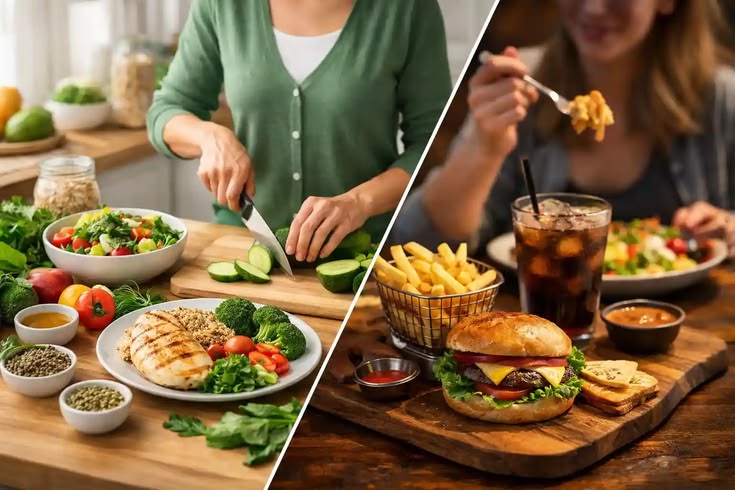
For years, healthy eating advice seemed straightforward: eat more vegetables, cut back on sugar, and practice portion control. But for many people, following that advice was easier said than done. Hunger, cravings, and the constant pull of food often made it difficult to stick to even the best intentions.
Now, GLP-1 medications are changing that experience in a way few could have predicted. Originally developed to help manage blood sugar levels, these medications have become widely known for their effects on appetite and weight management. As a result, they’re reshaping how many people think about food, meals, and hunger itself.
The growing interest in GLP-1s has also sparked conversations about complementary wellness products, like GLP1 supplements, as consumers seek additional ways to support their health goals. Whether through prescription medications or broader lifestyle changes, one thing is becoming clear: the relationship many people have with food is evolving.
Why Are GLP-1s Getting So Much Attention?
GLP-1, short for glucagon-like peptide-1, is a naturally occurring hormone that helps regulate blood sugar and appetite. GLP-1 medications work by mimicking this hormone, helping people feel fuller for longer and slowing the rate at which food leaves the stomach.
While that explanation may sound technical, the real-world impact is easy to understand. Many users report feeling satisfied after eating smaller portions and experiencing fewer urges to snack throughout the day. In a culture where food cravings are often treated as unavoidable, that shift can feel dramatic.
As stories of these experiences spread through social media, healthcare settings, and everyday conversations, public interest has skyrocketed. What began as a medical treatment has quickly become one of the most talked-about topics in nutrition and wellness.
People Are Eating Less, But That’s Only Part of the Story
The most obvious change associated with GLP-1 use is reduced food intake. Many people simply find themselves eating less because they no longer feel hungry as often.
But the changes go beyond portion sizes. Some users report spending less time thinking about food altogether. Instead of planning the next snack or fighting off cravings between meals, they feel more in control of when and why they eat.
This shift can create a different dining experience. Meals become less about managing constant hunger and more about enjoying food and recognizing genuine fullness. For many people, that’s a significant change from the eating habits they’ve known for years.
Cravings Are Starting To Lose Their Grip
For many people, one of the most surprising changes is a desire for less food. Cravings can be powerful. They can turn a casual walk past the pantry into a full investigation of every crunchy, salty, or chocolate-covered option in the house.
However, GLP-1 users often describe a quieter relationship with food. The snacks are still there, the drive-thru still exists, and dessert is still dessert, but the urgency feels different.
This doesn’t mean food stops being enjoyable. Instead, it may become less controlling. A person might still have a cookie, but one cookie may feel satisfying instead of accidentally becoming five. That shift can make eating feel more intentional and less like a daily tug-of-war between willpower and temptation.
The Rise of “Quality Over Quantity”
When appetite changes, so do food choices. If someone is eating smaller meals, every bite has to work a little harder. That is why many people using GLP-1s are paying closer attention to protein, fiber, hydration, and nutrient-dense meals.
A plate that once seemed “too healthy” may suddenly feel practical because it helps provide steady energy and satisfaction. Think Greek yogurt with berries, grilled chicken with vegetables, eggs with avocado, or a smoothie that actually contains more than fruit and ice cubes.
Of course, eating less can come with challenges. Some people may struggle to get enough nutrients if their appetite drops too much. Others may need to rethink old habits, like skipping protein or relying on snack foods. The goal is to build meals that support the body while matching a new appetite.
A New Normal for Modern Eating
GLP-1s are changing the way people experience hunger, cravings, satisfaction, and choice. For some, that means fewer snacks. For others, it means smaller meals, less food noise, or a new interest in what is actually on their plate. The shift is not one-size-fits-all or magic, but it is significant.
As GLP-1 medications continue to shape conversations around health and nutrition, they may also influence restaurants, grocery aisles, meal planning, and everyday wellness routines. People are not just asking, “How much should I eat?” They are asking, “What helps me feel good, satisfied, and in control?”
That may be the biggest change of all. GLP-1s are reshaping expectations around what eating can feel like.