Successful home building depends on far more than the visible finishes that homeowners interact with every day. The long-term performance of a property is often determined by decisions made much earlier in the construction process, particularly around substrate preparation, bonding, and waterproofing. When these elements are treated as fundamental parts of the build rather than secondary considerations, they help create structures that are more durable, resilient, and capable of performing as intended for years to come.
What Bonding Agents Actually Do
Placing fresh concrete or screed onto an existing substrate without preparation relies on contact alone to create the bond, and site surfaces are rarely in the condition required for that to work reliably.
Well-applied concrete bonding agents change what happens at the interface. The fresh material has something to key into at a chemical level rather than just resting against the substrate surface. In construction applications where that joint will carry load or face moisture, the difference between a properly formed bond and a failed one tends to become visible eventually.
The application is sensitive to timing in a way that trips up jobs where the sequencing has not been thought through. A bonding agent that has dried out by the time the fresh material goes down contributes almost nothing. One applied to a surface holding standing water rather than being properly saturated will dilute and fail to key. Planning the work sequence so that window is achievable is less about skill than organisation.
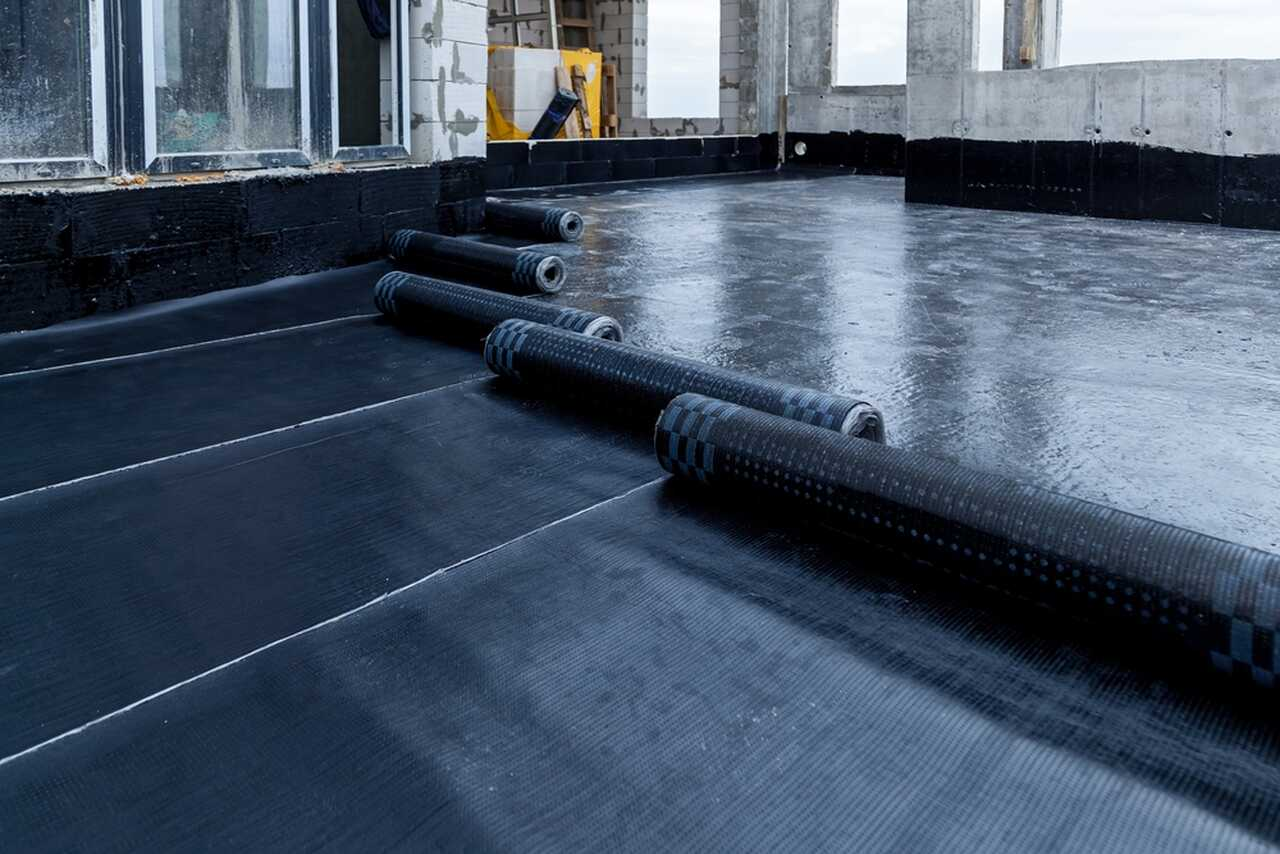
Membrane Waterproofing And What Determines Whether It Holds
The same issue that causes bonding agent failures causes membrane waterproofing failures. A membrane is only as effective as the bond between it and the substrate beneath it. Correct product specification is not enough if the surface has not been prepared to receive it.
Basement applications put particular strain on that bond because the membrane is working against groundwater pressure rather than just shedding surface water. When part of the membrane loses contact with the substrate, water that finds that gap does not stay there. It moves behind the membrane to wherever the pressure takes it, which is often well away from where the original failure was. Getting to the source of the problem means accessing surfaces that were finished before it appeared.
Surface preparation in the UAE has specific challenges that a generic specification will not address. Construction surfaces in this climate pick up dust and fine sand faster than anywhere with moderate humidity. Surfaces left in direct sun can be well above the temperature range the product is rated for. Moisture from recent rain or construction water can sit within the substrate without being visible. A specification that does not account for them will produce inconsistent results regardless of product quality.
When The Two Work Together
On projects where both a bonding layer and protective waterproofing are required, the sequence and compatibility of the two products matter as much as the individual product specifications. A bonding agent that is chemically incompatible with the membrane system applied over it can compromise both. A membrane applied before the bonding agent beneath a topping screed has fully cured can transmit failure from one layer to the other.
Contractors who have had problems with these systems often find, on investigation, that the products used were each individually suitable but had not been selected with their combined use in mind. Specifying a compatible system rather than individual products and confirming it before anything goes on site is what prevents that category of problem.
The Investigation Before The Specification
Whether the objective is to achieve a durable bond between construction layers or protect a structure from water ingress, the underlying principle remains the same: performance begins with preparation. Bonding agents, membrane waterproofing systems, and compatible construction materials can only perform to their full potential when substrate conditions, application sequencing, and system compatibility have been properly considered. Getting those foundations right is often the difference between long-term reliability and costly future remediation.