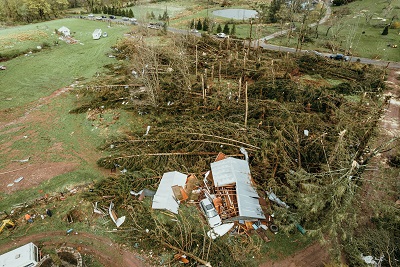
Climate disasters refer to severe events that result from extreme weather conditions and subsequent environmental changes, significantly impacting human life and ecosystems. These can manifest in various forms, including hurricanes, floods, droughts, and wildfires. Each of these phenomena poses unique challenges and reflects broader systemic issues related to climate change. As global temperatures rise, the intensity and frequency of these climate disasters are expected to increase, further straining natural and societal systems. The causes of climate disasters are multifaceted, primarily driven by the acceleration of climate change due to human activities. For instance, the burning of fossil fuels, deforestation, and industrial processes release greenhouse gases into the atmosphere, disrupting natural weather patterns. This disruption can lead to increased instances of extreme weather, resulting in devastating impacts. For example, warming sea temperatures can intensify the formation of hurricanes, leading to more powerful storms and higher risk of flooding.
Recent events illustrate the growing severity of climate disasters. In 2020, wildfires in Australia burned an estimated 18 million hectares, causing significant loss of life and destruction of habitats. Similarly, hurricanes, such as Hurricane Harvey in 2017, brought unprecedented rainfall to Texas, resulting in catastrophic flooding. These examples highlight not only the immediate destruction caused by climate disasters but also the long-term consequences for communities and ecosystems alike. The frequency of these events demonstrates a concerning trend linked to climate change, raising questions about resilience and adaptation in the face of an increasingly volatile climate.
The Science Behind Climate Change
Climate change is fundamentally driven by the increase of greenhouse gases (GHGs) in the Earth’s atmosphere, which are principally produced through human activities. The burning of fossil fuels for energy, industrial processes, and transportation significantly contributes to the rise in carbon dioxide levels. Research suggests that atmospheric CO2 concentrations are now higher than at any point in at least 800,000 years, a trend that correlates starkly with industrialization and deforestation.
Deforestation exacerbates this issue by reducing the number of trees available to absorb carbon dioxide. Forests play a crucial role in carbon sequestration, and their depletion leads to an increase in the amount of CO2 in the atmosphere. According to the World Resources Institute, around 10 million hectares of forest are lost each year, highlighting the urgent need for sustainable management and conservation practices.
The consequences of these increasing greenhouse gas emissions and significant deforestation are evident and can be observed through phenomena such as global warming. Global temperatures have risen significantly, with the past decade being the warmest since records began. A report by the Intergovernmental Panel on Climate Change (IPCC) indicates that without substantial measures to limit emissions, the global temperature could rise by 1.5 degrees Celsius above pre-industrial levels as early as 2030. This increase in temperature is linked to extreme weather conditions, such as hurricanes, droughts, and floods, which have been linked to the higher frequency and intensity of climate disasters.
Scientific studies have consistently shown the connection between climate change and extreme weather events. For instance, a study published in the journal <em>Nature</em> found that climate change intensified rainfall in certain regions, leading to destructive flooding. This evidence underscores the critical need to understand the science of climate change to effectively address its far-reaching implications on our planet.
Economic Impacts of Climate Disasters
Climate disasters significantly influence economies worldwide, with repercussions that extend beyond the immediate aftermath of such events. The direct costs of climate-related disasters can be staggering, encompassing extensive infrastructure damage, loss of property, and the necessary deployment of emergency relief efforts. For instance, Hurricane Katrina in 2005 caused damages exceeding $125 billion, affecting not just Louisiana, but the entirety of the United States, highlighting the severe financial implications of natural disasters.
In addition to direct economic losses, indirect costs emerge that can profoundly disrupt local and national economies. These can be illustrated by examining the agricultural sector, particularly in regions heavily reliant on crops vulnerable to extreme weather. For example, the prolonged drought conditions in California have led to substantial reductions in agricultural output, affecting local economies and food prices across the country. Moreover, the disruptions caused by climate disasters can lead to job losses, decreased productivity, and ultimately, a slower economic recovery trajectory.
Furthermore, the long-term recovery from these events requires significant financial investment, often stretching public resources thin. Governments and NGOs must allocate substantial funds to rebuild infrastructure, which diverts resources from other critical areas such as education and healthcare. The 2011 earthquake and tsunami in Japan provide a pertinent case study, with the economic cost reaching approximately $360 billion, necessitating extensive rebuilding efforts and economic stimulus to restore normalcy in various sectors.
In conclusion, the economic impacts of climate disasters are profound and multifaceted, necessitating comprehensive analyses to understand both immediate and prolonged effects. By examining case studies such as Hurricane Katrina and the Japanese earthquake, it is evident that the financial ramifications of climate disasters reach far beyond their immediate physical and social consequences, demanding both awareness and action on a global scale.
Humanitarian Crises and Displacement
Climate disasters have a devastating impact on human lives and communities, often leading to tragic humanitarian crises. These events can transform entire regions, resulting in significant loss of life, widespread injuries, and large-scale displacement. In areas severely affected by natural disasters, the immediate consequences manifest as physical destruction and an increased vulnerability of populations, particularly those already marginalized or without adequate resources.
As communities face the ravages of floods, hurricanes, wildfires, and other extreme weather events, individuals are often forced to evacuate their homes. Displacement can lead to a host of challenges, including lack of access to essential services such as clean water, healthcare, and shelter. Many find themselves in makeshift camps or shelters devoid of basic necessities, exacerbating existing health issues and increasing the risk of disease outbreaks. Furthermore, psychological impacts are also significant, as individuals grapple with the trauma of losing their homes and loved ones.
International aid plays a crucial role in addressing such humanitarian crises. Organizations and government agencies provide vital resources, including food, medical assistance, and temporary housing, to help affected populations recover and rebuild. However, the logistics of delivering aid in the aftermath of a climate disaster can be complex due to ongoing risks, including aftershocks or additional adverse weather conditions. Ensuring that aid reaches those in need is a constant challenge, emphasizing the importance of effective humanitarian responses.
Moreover, climate-induced displacements often result in long-term demographic shifts, leading to protracted humanitarian situations. As communities remain affected over extended periods, the need for sustainable solutions grows increasingly critical. Addressing these challenges requires coordinated efforts from local, national, and international bodies to support displaced individuals, helping them to regain their footing and eventually, rebuild their lives in the face of adversity.
Effects on Biodiversity and Ecosystems
Climate disasters have profound implications for biodiversity and the intricate ecosystems that support it. These events, including wildfires, floods, droughts, and hurricanes, can trigger significant shifts in habitat, forcing species to adapt or perish. Habitats that are already under stress due to human activity, such as deforestation or urbanization, are particularly vulnerable to climate change. As temperatures rise and precipitation patterns alter, many ecosystems face challenges that threaten their stability and resilience.
One of the most alarming effects of climate disasters is the increased risk of extinction for a variety of species. The World Wildlife Fund (WWF) has reported that rising temperatures can lead to habitat loss, disrupting the delicate balance that many species rely on for survival. Species that are endemic to specific regions, particularly on islands or in isolated ecosystems, are especially susceptible. For example, amphibians in tropical rainforests, which are already disappearing at alarming rates, face a heightened risk of extinction due to changes in climate and habitat degradation.
Moreover, climate change disrupts essential ecosystem services that nature provides, such as pollination, water purification, and carbon storage. These services are vital for human well-being and maintaining ecological health. Wetlands, which serve as natural buffers against flooding and provide essential habitats for numerous species, are facing increased pressures from rising sea levels and extreme weather events. The loss of such ecosystems not only affects wildlife but also compromises the resources that human populations depend on for survival.
In regions like coral reefs, the effects of rising ocean temperatures and acidification are leading to coral bleaching, which decimates marine biodiversity. The degradation of these critical ecosystems has profound repercussions for fish populations and local communities reliant on fisheries. Without immediate and concerted global efforts to mitigate climate change, the long-term implications for biodiversity and ecosystem integrity could be catastrophic, marking a pivotal moment in our planet’s ecological history.
Social and Cultural Ramifications
Climate disasters have profound social and cultural ramifications that extend beyond immediate physical damage. When such disasters occur, they often disrupt communities, displacing families and severing the social fabric that holds them together. The impact strains relationships and can lead to the deterioration of social cohesion, as neighbors face increasing economic and emotional burdens. Disasters disproportionately affect marginalized groups, amplifying existing inequalities and exacerbating vulnerabilities. For instance, low-income communities often lack the resources to recover swiftly and may find their situations worsened in the aftermath.
Cultural heritage is also at significant risk during climate disasters. Historical sites, indigenous lands, and culturally significant locations may be irreparably damaged. The loss of cultural landmarks not only represents a physical destruction but also leads to a collective loss of identity and heritage for affected communities. Furthermore, these losses can have long-term implications on cultural practices, traditions, and languages that may already be under threat. As traditions are disrupted, communities may face challenges in passing down their cultural knowledge, further diminishing the diversity that enriches global society.
Mental health is another critical aspect influenced by climate disasters. The trauma associated with loss—whether of homes, loved ones, or cultural heritage—can lead to heightened anxiety, depression, and post-traumatic stress disorder (PTSD) among affected individuals. As community resilience is tested, the strain on mental health support systems can hinder recovery efforts, complicating the rebuilding of social structures. The emotional toll often creates a feedback loop: as communities struggle to heal psychologically, social cohesion diminishes, affecting prospects for recovery and stability.
Global Responses to Climate Disasters
The increasing frequency and intensity of climate disasters have prompted concerted global responses aimed at mitigating their effects and fostering resilience. One of the pivotal international frameworks addressing these issues is the Paris Agreement, enacted in 2016, which sets out commitments from nearly all countries to limit global warming to well below 2 degrees Celsius. This landmark agreement serves as a foundation for many national initiatives focused on reducing greenhouse gas emissions and enhancing climate resilience.
Furthermore, governments worldwide have begun to adopt policies that integrate climate adaptation into their planning processes. These strategies not only aim to reduce vulnerabilities but also emphasize the importance of early warning systems, disaster preparedness, and community-based approaches to resilience. For instance, nations that are particularly susceptible to climate-induced disasters often invest in infrastructure improvements to withstand extreme weather events, thereby reducing potential economic losses.
Organizations such as the United Nations and various non-governmental entities also play a crucial role in mobilizing resources and providing technical assistance for countries affected by climate disasters. Initiatives focusing on sustainable development, disaster risk reduction, and environmental conservation are central to these efforts, aligning with the broader objectives of achieving long-term socioeconomic stability.
Technological innovation is indispensable in addressing climate disasters. Cutting-edge research is leading to the development and deployment of renewable energy sources, advanced materials, and improved agricultural practices that are more resistant to the impacts of climate change. Moreover, data analytics and artificial intelligence are increasingly used to enhance predictive modeling capabilities, enabling quicker responses to emerging threats and better resource allocation during recovery phases.
Overall, the global response to climate disasters illustrates a collaborative effort to not only combat climate change but also to strengthen adaptive capacities across various sectors. By integrating international agreements, national policies, and innovative technologies, the international community is laying the groundwork for a more resilient future in the face of ongoing climate challenges.
Personal and Community Preparedness
In the face of climate disasters, individual and community preparedness is crucial to mitigating impacts and enhancing resilience. Preparing for climate-related events such as floods, hurricanes, and wildfires involves creating an effective emergency plan. Individuals should start by assessing their specific risks based on their geographical location and potential hazards. Developing a personal emergency plan includes establishing evacuation routes, identifying safe shelters, and ensuring that all family members are aware of the plan. It is equally vital to prepare an emergency kit that contains essential items such as water, non-perishable food, first aid supplies, medications, flashlights, and batteries.
On a community level, resilience initiatives can significantly bolster our collective ability to respond to climate disasters. Communities can participate in workshops that promote awareness and training regarding emergency preparedness. Establishing local networks for resource sharing, such as food banks and supply stations, can also strengthen community ties and ensure support during crisis situations. Educational campaigns should focus on developing community-wide plans that prioritize vulnerable populations, ensuring they have the necessary resources and support to withstand climate shocks.
Local preparedness plays a key role in enhancing overall resilience against climate events. This includes advocating for policies and infrastructure improvements that enhance sustainability and disaster response capabilities. Community gardens, neighborhood watch programs, and collaboration with local authorities to implement zoning laws can contribute significantly to reducing vulnerability. Additionally, fostering relationships with emergency services can ensure a swift response in the event of a disaster.
Ultimately, proactive personal and community preparedness is essential in the global context of increasing climate disasters. By equipping ourselves and our neighborhoods with the appropriate tools and knowledge, we can mitigate the adverse effects of climate events and promote safety and resilience.
The Future of Climate Disasters and Policy Directions
As climate change continues to accelerate, the frequency and intensity of climate disasters are expected to rise significantly, posing profound challenges to global communities. From extended droughts to increasingly severe hurricanes, climate-related events threaten ecosystems, economies, and the very fabric of society. These trends underscore the urgent need for a robust framework of policies that aim not only to mitigate climate change but also to enhance resilience to its impacts.
Proactive interventions are essential in addressing the escalating risks associated with climate disasters. Policymakers must prioritize sustainable practices that reduce greenhouse gas emissions while investing in renewable energy sources. This shift can significantly decrease reliance on fossil fuels, which are major contributors to global warming. Furthermore, urban planning strategies should incorporate climate forecasts, aiming to reduce vulnerability in areas that are prone to extreme weather events.
The role of individuals and communities in this paradigm is equally significant. Grassroots initiatives, community awareness programs, and educational campaigns can mobilize widespread action against climate impacts. Individuals can contribute to resilience by adopting environmentally friendly practices, such as reducing waste, supporting local agriculture, and engaging in conservation efforts. Collaborative approaches that involve local governments, businesses, and citizens are likely to yield the most effective solutions.
To facilitate these changes, governments must enact and enforce comprehensive climate legislation that aligns with international agreements. Policies must be designed to not only address immediate needs but also promote long-term sustainability. By fostering a culture of preparedness and responsiveness, communities can better navigate the uncertainties of climate-related disasters.
In conclusion, while the future of climate disasters presents daunting challenges, it also offers opportunities for innovative policy directions and collective action. By embracing proactive strategies and fostering community engagement, society can create a more resilient future in the face of climate change.