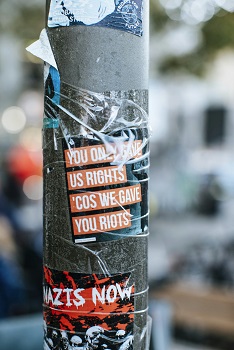
Political polarization is understood as the growing divide in political attitudes, beliefs, and values among individuals and groups within a society. This phenomenon is characterized by an increasing distance between opposing political ideologies, often manifesting in hostile sentiments and behaviors towards those with differing views. One of the primary indicators of political polarization can be observed in the opinions held by individuals or groups regarding governmental policies and political figures. When a substantial portion of the populace begins to express significantly divergent views—often aligning strongly with either end of the political spectrum—this serves as a clear sign of polarization.
The manifestations of political polarization extend beyond ideological differences; they permeate political discourse and behavior, influencing how citizens engage with one another and interact with governance structures. This environment can foster a sense of tribalism, wherein people increasingly identify with their political group while vilifying members of opposing factions. Such behaviors can lead to a lack of cooperation and a diminished capacity for consensus-building, further entrenching the divide within the political landscape.
Moreover, the role of media cannot be overlooked, as it has the potential to exacerbate political polarization by curating content that reinforces existing beliefs. The prevalence of echo chambers—where individuals are exposed predominantly to viewpoints that mirror their own—contributes to the entrenchment of polarized positions. This dynamic can create a feedback loop, leading to the amplification of extreme viewpoints while marginalizing moderate perspectives.
In a politically polarized environment, it is crucial to recognize the implications for governance and democratic processes. The stark divides can impair collective decision-making and hinder effective policy implementation, potentially stalling progress on critical issues that require collaborative solutions. Understanding political polarization is essential for fostering a more inclusive political discourse that respects diverse viewpoints.
Historical Context and Global Trends
Political polarization, defined as the divergence of political attitudes to ideological extremes, has historical roots that can be traced back to various transformative events across different periods. In the late 18th and early 19th centuries, the rise of national identities and the impacts of the Industrial Revolution initiated a shift in political alignment, emphasizing class and economic divisions that laid the groundwork for future polarization. The Cold War further entrenched ideological divides as countries adopted starkly contrasting political systems, contributing to a global environment of heightened tension and division.
In recent decades, we have observed significant trends that have amplified political polarization globally. The advent of technology, particularly social media platforms, has facilitated echo chambers where individuals can engage with like-minded ideologies while dismissing opposing views. This phenomenon has been observed in various countries, including the United States and Brazil, where political discourse has devolved into highly charged, adversarial exchanges that often eschew constructive dialogue.
Moreover, significant sociopolitical events, such as Brexit in the United Kingdom and the rise of populist movements across Europe, have intensified divisions among citizens, making political views more extreme. In these contexts, nationalist sentiments have surged, often leading to the marginalization of more moderate voices, which diminishes the possibility of collaborative governance.
Additionally, economic inequality has played a crucial role in fostering discontent and political division. As wealth becomes increasingly concentrated among a small elite, those left behind tend to gravitate towards polarizing figures or parties as a means of expressing their frustrations. This trend is evident in numerous nations, highlighting the pervasive influence of economic disparities on the political landscape.
Factors Contributing to Increased Polarization
Political polarization has emerged as a pressing issue across the globe, shaped by various interlinked factors. One significant contributor is economic inequality, which has been steadily rising in many nations. As the gap between the wealthy and the poor increases, it generates a sense of disenfranchisement among lower socioeconomic groups. This disparity can lead to a growing resentment towards established political elites, fostering extreme partisan viewpoints as individuals seek to align with those who reflect their economic frustrations.
Social media has also played a critical role in enhancing political polarization. The digital landscape allows for the rapid dissemination of information, but it also cultivates echo chambers where individuals consume information that reinforces their existing beliefs. Algorithms employed by platforms like Facebook and Twitter can serve to isolate users within ideological bubbles, minimizing exposure to diverse perspectives. This results in a more entrenched and polarized population, less willing to engage in constructive dialogue.
Cultural shifts further compound this issue. The interplay of identity politics, social justice movements, and the rise of populist sentiments has emphasized the importance of personal identity within the broader political context. As individuals increasingly associate their values with specific political ideologies, it becomes more challenging to navigate discussions surrounding contentious issues, deepening the divides among differing groups.
Lastly, the role of political parties cannot be overlooked. Many parties have gravitated towards extreme positions, often abandoning centrist approaches to appeal to more passionate bases. This strategy can lead to an environment where compromise becomes less viable, making it difficult for legislators to work collaboratively across party lines. The confluence of these factors illustrates a complicated reality where political polarization is not simply a product of individual beliefs but a reflection of broader societal structures and dynamics.
Consequences of Political Polarization
Political polarization has increasingly become a defining characteristic of contemporary societies, impacting various facets of governance, democracy, and social interaction. As individuals align more rigidly with political ideologies, we witness a decline in bipartisan engagement, resulting in a fragmented political landscape. This division often leads to diminished political engagement, where citizens feel more inclined to support partisanship over collaborative discourse, hindering democratic processes.
Furthermore, political polarization engenders a significant erosion of public trust in institutions. As citizens increasingly perceive their political counterparts as adversaries rather than allies, confidence in democratic institutions and processes wanes. This lack of trust complicates efforts to build coalitions essential for policymaking. Consequently, lawmakers may become more entrenched in their views, leading to legislative gridlock and an inability to address pressing societal issues effectively.
The implications of this polarization extend beyond politics; they create an environment rife with potential conflict. As individuals become more extreme in their beliefs, the discourse can escalate into hostility, fostering an atmosphere where civility is sacrificed. This adversarial climate has the potential to not only divide communities but also stymie cooperation in critical areas such as climate action, healthcare, and social justice initiatives.
To counteract the deleterious effects of political polarization, it is imperative to promote initiatives that encourage dialogue and understanding among divergent groups. Educational programs that emphasize critical thinking and empathy can bridge gaps by fostering environments where differing views can be discussed constructively. Moreover, reforms in electoral processes, aimed at reducing the influence of extremes, can pave the way for more moderate and unifying approaches to governance.