Concrete may look tough, but it’s constantly under attack. Sun exposure, chemical spills, heavy foot traffic, and freeze-thaw cycles all chip away at its surface, often long before the structure itself shows any real weakness. For property owners and facility managers, this creates a frustrating cycle of patch repairs, resurfacing jobs, and rising maintenance costs.
The good news? Modern coating technology has changed the game. Rather than waiting for damage to appear and reacting to it, businesses and homeowners alike are now taking a proactive approach to concrete protection. Advanced coatings create a durable barrier that resists the everyday wear that would otherwise break down bare concrete over time.
This shift toward preventative protection isn’t just a trend. It’s a smarter, more cost-effective way to manage concrete surfaces in warehouses, garages, driveways, and industrial facilities. Understanding how these coatings work, and why they outperform traditional concrete finishes, can help you make a more informed decision about protecting your property.
What Makes Concrete Vulnerable to Damage?
Concrete is porous by nature. Its surface contains microscopic gaps that allow moisture, oil, and chemicals to seep in over time. Once these substances penetrate the surface, they weaken the internal structure, leading to cracking, spalling, and discoloration.
Add in constant exposure to UV rays, temperature swings, and mechanical stress from vehicles or equipment, and it’s easy to see why untreated concrete deteriorates faster than most people expect. Even high-quality concrete installations can start showing signs of wear within just a few years if left unprotected.
How Protective Coatings Solve These Problems
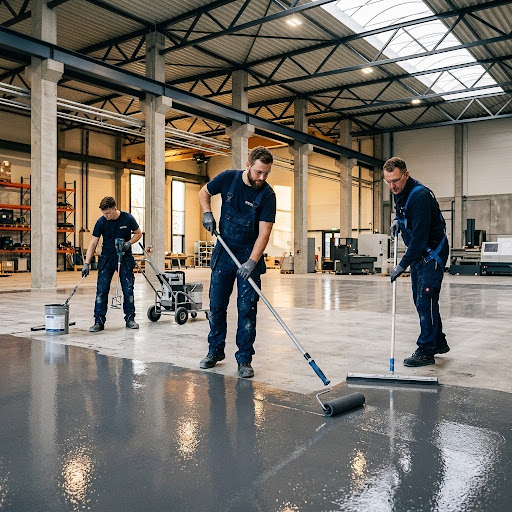
A well-applied concrete coating acts as a shield, sealing the surface and preventing the everyday elements from ever reaching the material underneath. This single layer of protection addresses several vulnerabilities at once, extending the life of the concrete while keeping it looking clean and polished.
Chemical and Abrasion Resistance
Industrial and commercial spaces often deal with oil spills, harsh cleaning agents, and heavy machinery rolling across their floors daily. A quality coating resists these chemicals and reduces surface abrasion, meaning fewer cracks, less staining, and a floor that continues to perform under pressure.
Waterproofing and Weather Protection
Water is one of concrete’s biggest enemies. When moisture seeps into untreated surfaces, it can freeze, expand, and cause cracking during colder months. Coatings create a waterproof barrier that keeps moisture out entirely, protecting against weather-related damage year-round.
Improved Safety and Appearance
Beyond durability, many coatings improve slip resistance, making floors safer for employees, customers, and visitors. They also give surfaces a clean, finished look that enhances the overall appearance of a facility, something that matters whether you’re running a retail showroom or a manufacturing plant.
Industries That Benefit Most From Protective Concrete Coatings
While any concrete surface can benefit from a protective coating, certain industries see especially strong returns on their investment:
- Manufacturing and warehousing: High foot and vehicle traffic combined with chemical exposure make coatings essential for maintaining safe, functional floors.
- Automotive facilities: Oil, grease, and constant vehicle movement demand a surface that can handle daily abuse without breaking down.
- Retail and hospitality: A polished, durable floor creates a better impression for customers while reducing long-term maintenance costs.
- Residential garages and driveways: Homeowners increasingly choose coatings to protect against oil stains, cracking, and weather damage while boosting curb appeal.
Each of these settings faces a different combination of stressors, but the underlying goal remains the same: extend the life of the concrete while reducing the time and money spent on repairs.
Why Professional Application Makes All the Difference
Carbon Concrete Coatings delivers a durable, long-lasting protective layer that shields your surfaces from cracking, staining, and everyday wear, helping you avoid costly repairs for years to come. Proper surface preparation, precise application, and high-quality materials all play a role in how well a coating performs over time, and cutting corners in any of these steps can significantly shorten its lifespan.
A professional approach starts with thoroughly cleaning and prepping the concrete to remove any existing damage, oil residue, or surface imperfections. From there, the right coating formula is selected based on the specific demands of the space, whether that means prioritizing chemical resistance for an industrial facility or focusing on aesthetic appeal for a retail environment. This attention to detail ensures the finished surface performs exactly as intended, standing up to daily use while maintaining its appearance for years.
Choosing an experienced team also means access to guidance on maintenance and long-term care, helping you get the most value out of your investment. Rather than treating a coating as a one-time fix, it becomes part of a broader strategy for protecting your property and reducing lifecycle costs.
Protecting Your Investment for the Long Run
Concrete surfaces represent a significant investment, whether they’re part of a sprawling industrial facility or a simple residential driveway. Letting that investment degrade under the weight of daily wear, weather exposure, and chemical damage doesn’t just cost money in repairs; it also disrupts operations and diminishes curb appeal.
A durable, professionally applied coating offers a proactive solution, transforming vulnerable concrete into a resilient surface built to handle whatever comes its way. From improved safety to reduced maintenance and a longer-lasting finish, the benefits extend well beyond appearances.
If your concrete surfaces are due for protection, now is the time to explore your coating options and take the next step toward a stronger, longer-lasting foundation.