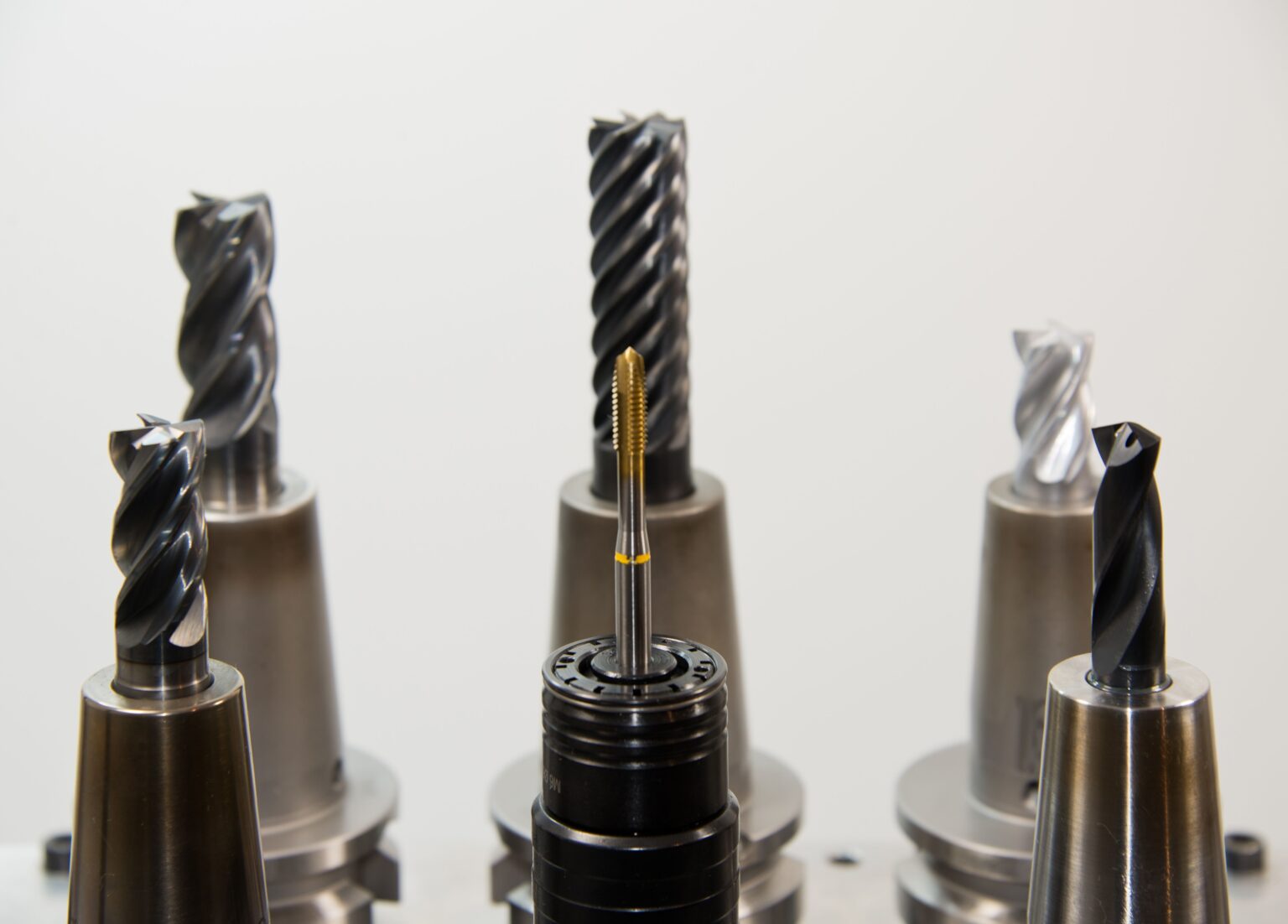
Drilling may seem like one of the simplest CNC operations, but producing clean, accurate holes consistently takes more than just loading a drill and starting the cycle. Tool material, workholding, toolholding, speeds, feeds, coolant, and hole depth can all influence the finished result. A poor setup may lead to oversized holes, excessive tool wear, rough finishes, or broken drills.
For beginners, the easiest way to improve drilling is to become familiar with a few essential tools and understand what each one contributes to the process. You do not need dozens of specialized drills to get started. A small group of dependable tools can handle many common holemaking operations while helping you learn good machining habits.
One useful option for CNC machining is carbide drill bits. Carbide drills are known for hardness, wear resistance, and the ability to operate effectively at higher cutting speeds when used in a rigid setup. They can be especially useful when repeatability and production efficiency are important.
Drilling success, however, depends on more than the cutting tool alone. Choosing between carbide and cobalt drills, securing the tool correctly, controlling chip evacuation, and verifying finished holes are all part of creating a reliable process. These five areas can make CNC drilling easier to understand and more consistent from one job to the next.
Drill Bits Built for Clean and Accurate Holes
The first drilling tool beginners should understand is the solid carbide drill. Carbide is harder and more wear resistant than many traditional tool materials, allowing it to maintain a sharp cutting edge under demanding conditions.
In a rigid CNC machining center, carbide drills can provide consistent hole quality and help reduce cycle times. They are often a strong choice for repeat production where the same hole is being created across many parts.
That performance comes with an important tradeoff. Carbide is relatively brittle. It does not respond well to excessive vibration, poor alignment, unstable workholding, or unexpected side loading. A carbide drill may chip or break if the setup is not rigid enough.
For this reason, beginners should avoid assuming that carbide automatically means better. The machine, holder, workpiece, and cutting parameters all need to support the tool.
The second important option is the cobalt drill. Cobalt drill bits offer a different balance of toughness and heat resistance. Because cobalt drills are generally less brittle than solid carbide, they can be more forgiving when machining conditions are not perfectly rigid.
They can be useful for drilling a range of metals and may make sense for short production runs, manual machining, or jobs where maximum cutting speed is not the primary concern.
The workpiece material should influence the drill choice as well. Aluminum, mild steel, stainless steel, and other alloys behave differently when drilled. A tool that works well in one material may generate excessive heat, poor chips, or rapid wear in another.
Drill geometry also matters. Point angle, flute design, coating, and coolant delivery can affect how the tool enters the material and removes chips. Deeper holes usually require more attention to chip evacuation because chips can become trapped inside the hole and interfere with cutting.
The third useful tool or strategy is a spot drill or similar hole-starting tool when the application calls for it. Creating an accurate starting point can help position subsequent drilling operations, particularly when hole location matters.
However, the exact approach should match the drill manufacturer’s recommendations. Some modern drills are designed to start accurately without a separate spotting operation, so machinists should not assume that every drill requires the same sequence.
The fourth area is coolant delivery. While coolant is not technically a cutting tool, it plays such an important role in drilling that it should be treated as part of the setup. Coolant helps control heat and can assist with moving chips away from the cutting edges.
Through-tool coolant can be especially valuable for deeper holes because fluid is delivered closer to the cutting zone. Effective chip evacuation helps reduce the chances of recutting chips, clogging the flutes, or creating excessive heat.
Beginners should pay attention to the chips being produced. Consistent chip formation can indicate that the drill is cutting properly, while long, tangled, or discolored chips may suggest that speed, feed, coolant, or tool selection needs attention.
Better Tool Holding for More Consistent Drilling
The fifth essential part of CNC drilling is reliable toolholding. Even a high-quality drill can perform poorly if it is not being held securely and accurately.
A keyless drill chuck can provide a convenient holding option for suitable drilling applications. Regardless of the holder being used, machinists should make sure the drill is installed correctly, properly tightened, and running as true as possible.
Runout can have a major effect on drilling performance. If the drill is not rotating concentrically, one cutting edge may do more work than the other. This can produce uneven wear, oversized holes, poor surface finishes, or premature tool failure.
Tool stickout is another important consideration. A drill that extends farther from the holder than necessary becomes less rigid. Keeping the tool as short as practical can reduce vibration and provide a more stable cutting condition.
Workholding should receive the same attention. The part needs to remain secure throughout the drilling cycle. If the workpiece moves, hole location and accuracy can be affected even if the drill itself is perfectly installed.
Beginners should also become comfortable selecting reasonable speeds and feeds. Running a drill too slowly can lead to rubbing instead of efficient cutting, while pushing the tool too aggressively can create excessive heat or cutting forces.
Manufacturer recommendations provide a useful starting point, but operators should still watch the actual cutting process. Material condition, machine rigidity, coolant, and hole depth may require adjustments.
Drilling sound can provide useful feedback as well. A stable drilling operation often has a consistent sound. Sudden squealing, vibration, or changes in cutting noise can indicate a problem with the tool, holder, workpiece, or cutting conditions.
Peck drilling may be useful in some deeper-hole applications because it gives chips an opportunity to clear. However, it should not be applied automatically to every job. Certain carbide drilling strategies may perform better with continuous feed and effective through-tool coolant.
Inspection is another major part of consistent drilling. After producing the first hole, machinists should verify its diameter, location, and depth before continuing a larger run.
Different tools may be used depending on the tolerance. Calipers can provide a quick approximate check, while pin gauges, bore gauges, or other inspection equipment may be needed for tighter requirements.
Hole depth should also be confirmed. A drill may create the correct diameter but still fail the print if it does not reach the required depth or if the point geometry is not taken into account correctly.
Keeping records of successful setups can save time on future jobs. Note the drill type, diameter, workpiece material, spindle speed, feed rate, coolant strategy, and observed tool life. These details create a useful starting point when similar work returns.
Drilling becomes much easier when machinists stop looking at the drill as an isolated tool. The cutter, holder, coolant, workholding, cutting parameters, and inspection process all work together.
For beginners, that means focusing on repeatability before chasing maximum speed. A stable setup that consistently produces good holes is more valuable than a fast process that causes unpredictable tool wear or dimensional problems.
Carbide and cobalt drills each have a place in the shop. Carbide can provide excellent performance in rigid CNC applications, while cobalt offers toughness and versatility for a wider range of conditions. Spotting tools, coolant strategies, and dependable toolholding further improve the process.
The best results come from matching the entire setup to the job. Choose the drill based on the material and application, keep the tool rigid, secure the workpiece, use appropriate cutting parameters, and inspect the first hole before continuing production.
By learning these fundamentals early, beginners can avoid many common drilling problems and build a process that produces cleaner, more accurate holes with greater consistency.