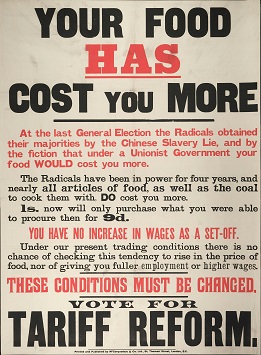
In recent years, the world has witnessed a noticeable upward trend in food prices, a situation that has triggered significant concern among consumers, economists, and policymakers alike. This phenomenon is not merely a transient issue; rather, it reflects a multifaceted crisis impacting food availability and affordability across various regions globally. Various factors contribute to this increase in food prices, creating a complex web of influences that resonate throughout the entire food supply chain. The impact of rising food prices is far-reaching, affecting not only the economic landscape but also the day-to-day lives of individuals. For instance, adverse weather conditions, such as droughts and floods, have severely disrupted agricultural production, leading to shortages of essential food items. Moreover, shifts in consumer demand, especially for certain crops and proteins, further exacerbate the situation, causing fluctuations in market prices that can leave many unable to afford basic necessities.
In addition to environmental and consumer behavior factors, geopolitical tensions and trade policies play pivotal roles in shaping global food prices. Restrictions on exports or tariffs can alter market dynamics, often leading to spikes in costs for end consumers. The pandemic has also contributed to this volatility; supply chain disruptions have heightened the difficulty for farmers and retailers to maintain consistent pricing, pushing food costs even higher.
The global food price crisis is particularly alarming because it disproportionately affects vulnerable populations, who spend a large share of their income on food. This disparity raises questions about food security and highlights the critical need for comprehensive strategies aimed at stabilizing food prices and ensuring access for all. Understanding the intricate layers of this crisis is essential for addressing the challenges it poses to consumers and the global economy.
The global food supply chain has recently faced unprecedented disruptions, affecting the availability and cost of food products worldwide. These interruptions are primarily influenced by a confluence of factors, including the COVID-19 pandemic, instances of natural disasters, and ongoing geopolitical tensions. Each of these elements contributes to a convoluted network of supply chain challenges that have escalated food prices.
The COVID-19 pandemic played a crucial role in creating widespread supply chain delays. Lockdowns and health restrictions led to labor shortages in various agricultural sectors, including harvesting, processing, and transportation. These labor disruptions hindered the timely delivery of food products, thereby creating a ripple effect throughout the supply chain. This delay not only diminished the availability of certain food items but also contributed to increased transportation costs, which ultimately pass down to consumers.
Additionally, natural disasters such as hurricanes, floods, and wildfires have exacerbated supply chain vulnerabilities. These unpredictable events can devastate crops, damage infrastructure, and disrupt transportation routes, further complicating the logistical aspects of food distribution. For instance, a single hurricane can wipe out significant agricultural areas, leading to a short-term scarcity of certain commodities and, subsequently, higher prices on store shelves.
Geopolitical tensions also add a layer of complexity to the global food supply chain. Trade restrictions and tariffs imposed between countries can lead to inflated prices for imports. When nations engage in resource competition or impose sanctions, the ramifications often result in heightened costs among food producers who rely on international markets for raw materials or trade agreements.
Together, these supply chain disruptions have led to an increase in food production costs, which ultimately trickles down to the consumer. The interplay of these dynamics illustrates a pressing issue. Understanding these factors is essential to grasp why food prices are rising in today’s interconnected economic landscape.
Climate Change and Its Impact on Agriculture
Climate change has emerged as a significant factor influencing agricultural productivity worldwide. The alteration of weather patterns leads to increased unpredictability in farming conditions, which can directly impact crop yields. As temperatures rise and precipitation patterns shift, many farmers find it challenging to maintain consistent agricultural output.
Droughts have become more frequent and severe in various regions, putting immense strain on water resources crucial for irrigation. Such conditions can lead to reduced soil moisture, hampering crop growth and resulting in lower yields. For instance, areas that previously enjoyed stable rainfall may experience extended dry spells, forcing farmers to either invest in costly irrigation systems or face the risk of crop failure.
In addition to drought, flooding presents another challenge exacerbated by climate change. Increased rainfall can lead to oversaturated soils, which may cause crops to drown or suffer from root diseases. This not only decreases the volume of food produced but also affects the quality of the crops harvested. As a result, poor harvests burden farmers with high production costs while simultaneously decreasing their income, further driving up the prices of food commodities.
Moreover, the unpredictability wrought by climate change encourages farmers to shift to more resilient crop varieties, which often require higher initial investment in terms of seeds and technology. This transition can lead to increased operational costs, contributing to the overall inflation of food prices. As farmers navigate these challenges, the financial implications ripple outward, affecting consumers globally.
In conclusion, the interplay between climate change and agricultural productivity is complex and multifaceted. As farmers grapple with changing weather extremes, the resulting impact on crop yields plays a pivotal role in the upward trajectory of food prices around the world.
Rising Fuel Costs
The continuous increase in fuel prices has a significant impact on global food costs, affecting various stages of food production and distribution. As fuel prices rise, the costs associated with transportation also increase. This escalation directly translates to higher expenses for farmers, suppliers, and retailers, ultimately resulting in increased prices for consumers.
For instance, the agricultural sector relies heavily on fuel for machinery during the planting and harvesting processes. As diesel and gasoline prices climb, farmers face tougher margins, which may lead them to pass these costs onto consumers. The usage of tractors and other farming equipment not only requires fuel for operation but also increases the overall cost of goods produced, contributing to higher food prices.
Furthermore, the logistics of transporting food from farms to markets are intricately linked to fuel prices. Trucks, ships, and trains all require fuel to deliver products, and as these transportation costs rise, so too do the prices at which goods are sold. Fresh produce, grains, and other staples are often transported over long distances, making them especially sensitive to fluctuations in fuel costs. This scenario is exacerbated by the rising demand for food, where even slight increases in operational costs can significantly elevate retail prices.
Additionally, global events and geopolitical factors can lead to instability in oil supply chains, further exacerbating the fluctuations in fuel costs. This volatility directly impacts the food supply chain, leading to unpredictable price variations in markets worldwide. As consumers become increasingly aware of these interconnections, understanding the relationship between rising fuel prices and food costs becomes essential for grasping the larger context of global food economics.
Inflation and Economic Factors
In recent years, global food prices have been on an upward trajectory, which can be largely attributed to a combination of inflationary pressures and various economic factors. Inflation, defined as the rate at which the general level of prices for goods and services rises, plays a pivotal role in influencing food costs. As inflation rates increase, the purchasing power of consumers diminishes, making it more expensive for them to buy food. This rise in food prices is particularly significant in developing nations where local economies are more susceptible to fluctuations.
Currency fluctuations also contribute significantly to the rising costs of food. For instance, when a country’s currency depreciates against major world currencies, the cost of imported food items rises. This situation is exacerbated by global supply chain disruptions that make it difficult for countries to obtain food supplies at reasonable prices. Economic policies, such as tariffs and trade agreements, also impact food pricing. Imposing tariffs on imported food may protect local industries but can inadvertently lead to higher prices for consumers.
Central banks around the world often respond to rising inflation by adjusting interest rates. Higher interest rates can restrict consumer spending by making borrowing more expensive, consequently affecting food purchasing behavior. Additionally, economic policies that promote agricultural investment can either alleviate or exacerbate price increases depending on their execution. For instance, subsidies intended to boost local production can lead to lower food prices if successful; however, if mismanaged, they may fail to address the core issues driving price escalation.
Understanding the interplay of inflation, currency fluctuations, and economic policies is essential in comprehending why food prices are rising globally. These economic factors collectively shape the market landscape, influencing how much consumers ultimately pay for food products.
Consumer Demand and Market Trends
In the global food market, consumer demand plays a pivotal role in shaping food prices. As populations continue to grow, the need for diverse and ample food supplies increases correspondingly. This surge in demand often outpaces supply, leading to heightened competition among consumers and subsequently pushing prices upwards. A notable factor in this equation is the rapid urbanization occurring in many regions, which generally correlates with a shift towards more varied diets and increased food consumption. Urban populations tend to favor convenience and variety, which can drive up demand for processed and specialty food products.
Additionally, changing dietary preferences greatly influence market trends. As consumers become more health-conscious, there is a growing inclination towards organic, natural, and plant-based foods. This shift not only alters the types of products that are in demand but may also enhance pricing due to the often higher production costs associated with organic farming practices. The interplay between health trends and food prices is indeed significant in the current market landscape.
Moreover, the influence of social media and online platforms has transformed consumer behavior, encouraging new food trends and increasing the appetite for novelty. This constant evolution in consumer preferences leads to sporadic spikes in demand for specific food items, resulting in price volatility. It is crucial to recognize how these trends not just reflect the changing tastes of the global population but also the broader implications on food pricing dynamics.
Understanding the consumer’s role in food demand is essential for stakeholders in the industry, from farmers to retailers. As they adapt to these changing trends, they find themselves in a complex landscape where both supply chain management and pricing strategies must remain agile to accommodate the evolving consumer landscape. Ultimately, the convergence of growing populations, changing diets, and shifting consumer preferences continues to sustain upward pressure on food prices worldwide.
Government Policies and Agricultural Subsidies
Government policies and agricultural subsidies play a pivotal role in shaping food prices on a global scale. These policies can influence food production, distribution, and consumption, thereby affecting the overall cost of food. On one hand, subsidies for farmers may lead to an increase in crop production, which can stabilize prices and ensure food security. By providing financial assistance, governments can encourage farmers to produce more, helping to meet the demands of a growing population.
Conversely, agricultural subsidies can have adverse effects on food prices as well. For instance, when governments provide excessive support to specific crops, it can skew market dynamics. Farmers might focus primarily on the subsidized crops, leading to an oversupply in the market. This scenario can create price distortions, where the cost of non-subsidized food items increases due to decreased competition. As a result, consumers may face higher prices for certain foods, while others may become too abundant, leading to waste.
Moreover, government policies aimed at promoting sustainable agricultural practices can initially lead to higher costs for farmers. Transitioning to organic farming or implementing environmentally friendly techniques often requires significant investment. In the short term, these increased costs can translate to higher food prices for consumers. However, in the long run, such policies are designed to enhance sustainability in the food supply chain, potentially leading to decreased volatility in food prices over time.
Ultimately, while government agricultural policies and subsidies can aim to improve food availability and affordability, their design and implementation can produce both positive and negative impacts on food prices. Understanding these complex relationships is essential for policymakers and consumers alike.
Global Trade and Market Access Issues
International trade plays a critical role in shaping food prices across the globe. The interconnectedness of markets means that fluctuations in one region can affect supplies and prices worldwide. Trade agreements, tariffs, and various trade barriers are all significant factors that determine access to food imports and exports, subsequently influencing market prices.
When countries enter into trade agreements, they often establish tariff rates that can either facilitate or restrict the flow of agricultural products. For instance, lower tariffs on food imports can help to bring prices down by allowing a greater volume of goods to enter a domestic market, thus increasing competition among suppliers. Conversely, high tariffs can create artificial scarcity, driving food prices higher. Therefore, changes in trade policies—such as the introduction of new trade agreements or the renegotiation of existing ones—can have immediate and long-lasting effects on food pricing.
In addition to direct tariff impacts, non-tariff barriers, such as quotas and stringent health regulations, can complicate trade. An increase in such barriers can limit the amount of food that can enter a market, ultimately reducing supply. For example, if a major exporter imposes strict quality standards for their agricultural goods, this may lead to limited availability of products in importing countries, thereby driving prices up in those markets. Furthermore, political relations between nations influence buyer-seller dynamics; disputes can lead to trade bans that disrupt food supply chains and escalate prices dramatically.
Overall, navigating these global trade dynamics is crucial for stakeholders in the agricultural sector. Understanding the implications of international relations and market access issues can provide significant insights into the conditions that lead to fluctuations in food pricing worldwide.
Looking Ahead: Solutions and Mitigation Strategies
The rising food prices represent a complex challenge that requires innovative solutions and a multi-faceted approach. One of the most promising avenues for mitigating these costs is the adoption of innovative agricultural practices. Techniques such as precision farming, which employs data analytics and technology to optimize crop yields while reducing resource consumption, can play a significant role. By using advanced sensors and satellite imagery, farmers can better assess crop health, monitor soil conditions, and apply fertilizers more efficiently, leading to higher productivity and lower costs.
In addition, diversifying agricultural practices, such as incorporating permaculture or regenerative agriculture, can enhance soil health and improve resilience against climate change. These methods not only aim to produce food but also focus on restoring ecosystems, thereby creating a sustainable pathway that could stabilize food prices in the long run.
Improving supply chain management is another crucial aspect of addressing rising food prices. Enhancing logistics, reducing food wastage, and ensuring timely transportation can significantly lower costs. For example, implementing blockchain technology in food distribution allows for greater transparency and traceability, which can help in identifying inefficiencies and reducing losses, ultimately stabilizing prices.
Moreover, policymakers must play a proactive role by crafting regulations that support sustainable agricultural practices and food distribution networks. Introducing subsidies for sustainable farming, investing in infrastructure, and incentivizing research into new agricultural technologies can strengthen the food supply chain. Policymakers should also promote trade agreements that ensure the availability of food across borders, further stabilizing prices and ensuring food security.
In conclusion, combining innovative agricultural practices with effective supply chain management and strategic policy interventions offers a viable path forward in mitigating the impact of rising food prices globally. These strategies would not only help in containing food costs but also contribute to a more sustainable and resilient food system.