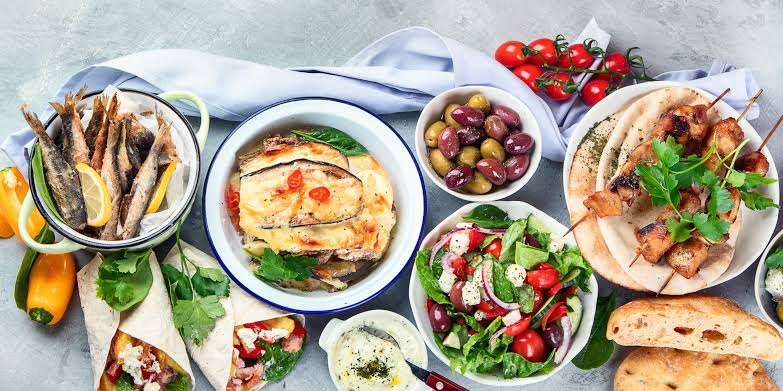
Mediterranean food is often treated as a single idea. Olive oil, vegetables, fish, bread, wine. The label suggests uniformity, as if eating in Athens, Rome, or Valencia leads to the same outcome. That assumption hides important differences. Greek, Italian, and Spanish cuisines share geography but not structure. They organise meals differently, balance nutrients in different ways, and interact with the human body over time in distinct patterns.
Health does not sit inside a recipe. It emerges from repetition. What matters is what people eat most days, how food is prepared, how much is eaten at once, and how meals fit into daily life. When those factors change, the same ingredients can support long term wellbeing or quietly push the body toward strain.
This article compares Greek, Italian, and Spanish food through a practical health lens. Not which dishes look lighter or which cuisine sounds virtuous, but how each one affects digestion, metabolism, inflammation, and ageing when eaten as intended. The focus stays on everyday eating rather than celebration food or restaurant exaggerations.
How Food Becomes Healthy or Harmful Over Time
Health outcomes are shaped by patterns, not moments. A single meal rarely matters. What matters is frequency, portion size, and physiological response. The body responds to food through blood sugar regulation, fat storage, gut bacteria activity, and inflammatory signalling. These processes are slow and cumulative.
Greek, Italian, and Spanish cuisines evolved under different pressures. Climate, labour patterns, religious fasting, and food availability shaped how people ate. Those conditions influenced meal timing, ingredient emphasis, and cooking methods. When those structures are preserved, health benefits tend to follow. When they are removed, problems appear.
Another overlooked factor is restraint. Traditional cuisines often include built in limits. Bitterness, acidity, strong herbs, and shared plates reduce overeating. Modern versions strip those limits away, leaving calorie dense food without the original brakes.
Understanding which cuisine is healthier requires asking a different question. Which one protects the body most reliably when followed over decades by ordinary people living ordinary lives.
Greek Food, Designed to Calm the Body
Greek cuisine is built around moderation and stability. Meals are structured to avoid sharp metabolic swings. The plate often looks simple, but the underlying balance is deliberate.
Vegetables form the base of most meals. Not as side dishes, but as the main substance. Tomatoes, aubergines, courgettes, greens, onions, and legumes appear daily. They are cooked slowly, often in olive oil, which increases satiety and slows digestion. This combination reduces blood sugar spikes and prolongs fullness.
Olive oil is central, not decorative. It is used generously but consistently. Because it replaces butter and cream rather than adding to them, total fat intake stays predictable. The fat profile is largely monounsaturated, which supports cardiovascular health when consumed in stable amounts.
Protein plays a supporting role. Fish, yoghurt, eggs, and small portions of meat appear regularly but rarely dominate the plate. Cheese is present, but usually as a sharp accent rather than a bulk ingredient. Feta, for example, is strong enough that small quantities suffice.
Herbs and bitterness matter. Oregano, dill, parsley, lemon, and wild greens add intensity without calories. Bitter flavours are known to reduce appetite and slow eating. Greek food uses them often, especially in vegetable dishes and salads.
Legumes deserve special attention. Lentils, chickpeas, and beans appear in soups and stews several times a week. They provide fibre, plant protein, and slow release carbohydrates. This combination supports gut bacteria diversity and stabilises energy levels.
Meal structure also matters. Greek meals are usually eaten seated, slowly, and socially. Food is shared, conversation is part of the meal, and rushing is discouraged. Even in casual settings, people tend to sit rather than eat while moving. This behaviour improves digestion and reduces overeating.
Over decades, this style of eating supports weight stability, lower inflammation, and reduced cardiovascular risk. It is forgiving. Even when portions drift slightly upward, the underlying structure resists damage.
Italian Food, Powerful but Demanding Discipline
Italian cuisine is often misunderstood. Outside Italy, it is associated with excess. Inside Italy, it is structured, restrained, and highly dependent on portion control.
Pasta is not the problem. Portion size is. Traditional servings are smaller than many expect, usually around 70 to 90 grams dry weight. Pasta is eaten slowly, often as a first course, and followed by vegetables or protein rather than combined with heavy sauces.
Carbohydrates in Italian food are purposeful. Pasta, bread, and rice provide energy, especially for physically active lifestyles. When eaten in controlled amounts and paired with fibre and protein, they support stable energy rather than fat gain.
Tomatoes play a central role. They provide acidity, antioxidants, and flavour intensity. Cooked tomatoes increase lycopene availability, which supports cardiovascular health. Acidic sauces also slow eating and reduce the need for heavy fats.
Cheese is where discipline matters most. Parmigiano, pecorino, and mozzarella are nutrient dense but calorie rich. In traditional cooking, they are used sparingly. When portions increase, calorie intake rises quickly. Italian food rewards restraint and punishes excess faster than Greek food.
Protein sources are varied. Fish, poultry, eggs, and legumes appear frequently. Red meat is present but not daily. Cured meats exist, but they are treated as flavour elements rather than main proteins.
Italian meals follow a rhythm. Lunch is often the largest meal, especially in traditional settings. Dinner tends to be lighter. This timing aligns better with insulin sensitivity and energy use.
The health outcome of Italian food depends heavily on movement. It suits active bodies. When paired with walking, manual work, or regular physical activity, it supports muscle mass and metabolic health. When paired with sedentary living, weight gain appears more quickly than in Greek eating patterns.
Italian cuisine is not inherently unhealthy. It is simply less forgiving. It expects awareness, routine, and respect for portion size.
Spanish Food, Dependent on Time and Timing
Spanish cuisine cannot be separated from its daily rhythm. The same food eaten at different times produces different outcomes.
Meals in Spain are late. Lunch may happen mid afternoon. Dinner often starts after nine in the evening. This schedule is supported by long fasting windows between meals. Breakfast is typically light. Snacking is limited.
This pattern creates extended periods without food, which improves metabolic flexibility. The body becomes better at switching between glucose and fat for energy. When meals are structured this way, insulin sensitivity often remains higher.
Seafood plays a major role. Sardines, anchovies, octopus, mussels, and other fish provide omega 3 fats, iodine, and protein. These nutrients support heart health and thyroid function.
Tapas culture encourages sharing. Small plates reduce portion size without conscious restriction. Eating from shared dishes naturally limits intake. It also slows the pace of eating, especially in social settings.
Cooking methods vary. Grilling, stewing, and frying are all common. Frying is more frequent than in Greek cuisine. When done in olive oil and paired with vegetables and fish, it can remain balanced. When paired with refined starches and frequent alcohol, problems emerge.
Alcohol is integrated differently. Wine and beer are consumed regularly but in modest quantities, often with food. Binge drinking is less common in traditional settings. This pattern reduces liver stress compared to episodic heavy drinking.
Spanish food relies heavily on lifestyle. When the rhythm is preserved, health outcomes are generally positive. When meals are shifted earlier, snacking increases, or physical activity drops, the same food becomes less supportive.
Spanish cuisine is neither protective nor demanding by default. It adapts to the clock. When the clock is ignored, the benefits fade.
Digestion, Blood Sugar, and Inflammation Compared
Greek food produces the smoothest digestive response. High fibre, stable fat intake, and low glycaemic load reduce blood sugar spikes. Inflammation markers tend to remain lower over time when this pattern is followed consistently.
Italian food produces higher energy peaks. This supports performance and muscle maintenance but requires balance. Blood sugar rises more quickly after meals, especially pasta based ones. When portions stay controlled, this is not harmful. When they increase, insulin resistance can develop.
Spanish food produces variable responses. Long fasting windows improve insulin sensitivity, but late meals can disrupt sleep for some people. When seafood dominates and portions stay moderate, inflammation remains low. When fried foods and refined starches increase, inflammation rises.
Gut health also differs. Greek cuisine supports microbial diversity through legumes, vegetables, and fermented dairy. Italian food supports diversity through vegetables and grains but may lack sufficient fibre if vegetable intake drops. Spanish food supports diversity through seafood and vegetables but can become fibre poor if meals rely too heavily on bread and fried items.
Over decades, Greek eating patterns show the strongest association with stable digestion and reduced inflammatory disease. Italian patterns show strong results in active populations. Spanish patterns show strong results when lifestyle factors remain intact.
Weight, Ageing, and Long Term Outcomes
Weight gain patterns differ noticeably. Greek food is associated with slower weight gain across adulthood. The structure resists excess even when calorie awareness fades.
Italian food shows faster weight gain when physical activity declines. The same energy that supports youth can overwhelm middle age metabolism if habits do not adjust.
Spanish food shows mixed outcomes. Weight remains stable when meal timing and fasting windows are preserved. Weight increases when snacking replaces structured meals.
Ageing outcomes follow similar lines. Greek cuisine supports joint health, cardiovascular stability, and cognitive function through consistent nutrient intake and low inflammatory load.
Italian cuisine supports muscle mass and bone density, especially when paired with movement. When movement declines, joint stress and metabolic strain increase.
Spanish cuisine supports cardiovascular health through seafood and olive oil but may challenge sleep and recovery if late meals persist into older age.
Eating These Cuisines Outside Their Home Countries
Problems arise when these cuisines are exported without their structure. Restaurants often exaggerate richness, portion size, and frequency. Meals become entertainment rather than nourishment.
In many modern settings, Italian food becomes pasta heavy and cheese dense. Greek food becomes meat focused and vegetable light. Spanish food becomes fried and alcohol centred.
Even physical environments influence behaviour. Comfortable seating, such as restaurant booths, encourages longer meals and increased intake when food is calorie dense and unstructured.
To eat these cuisines healthily outside their original context, structure must be recreated deliberately. Portion control, vegetable emphasis, and meal timing matter more than authenticity of recipes.
Which Cuisine Is Healthiest Depends on the Person
For sedentary adults, Greek food offers the greatest margin of safety. It protects against excess and supports long term stability.
For active individuals, Italian food provides energy and nutrients that support performance, provided portions remain controlled.
For those who value fasting, late meals, and social eating, Spanish food can work well if lifestyle rhythm is preserved.
No cuisine is universally superior. Each one carries assumptions about movement, timing, and restraint. Health emerges when those assumptions are respected.